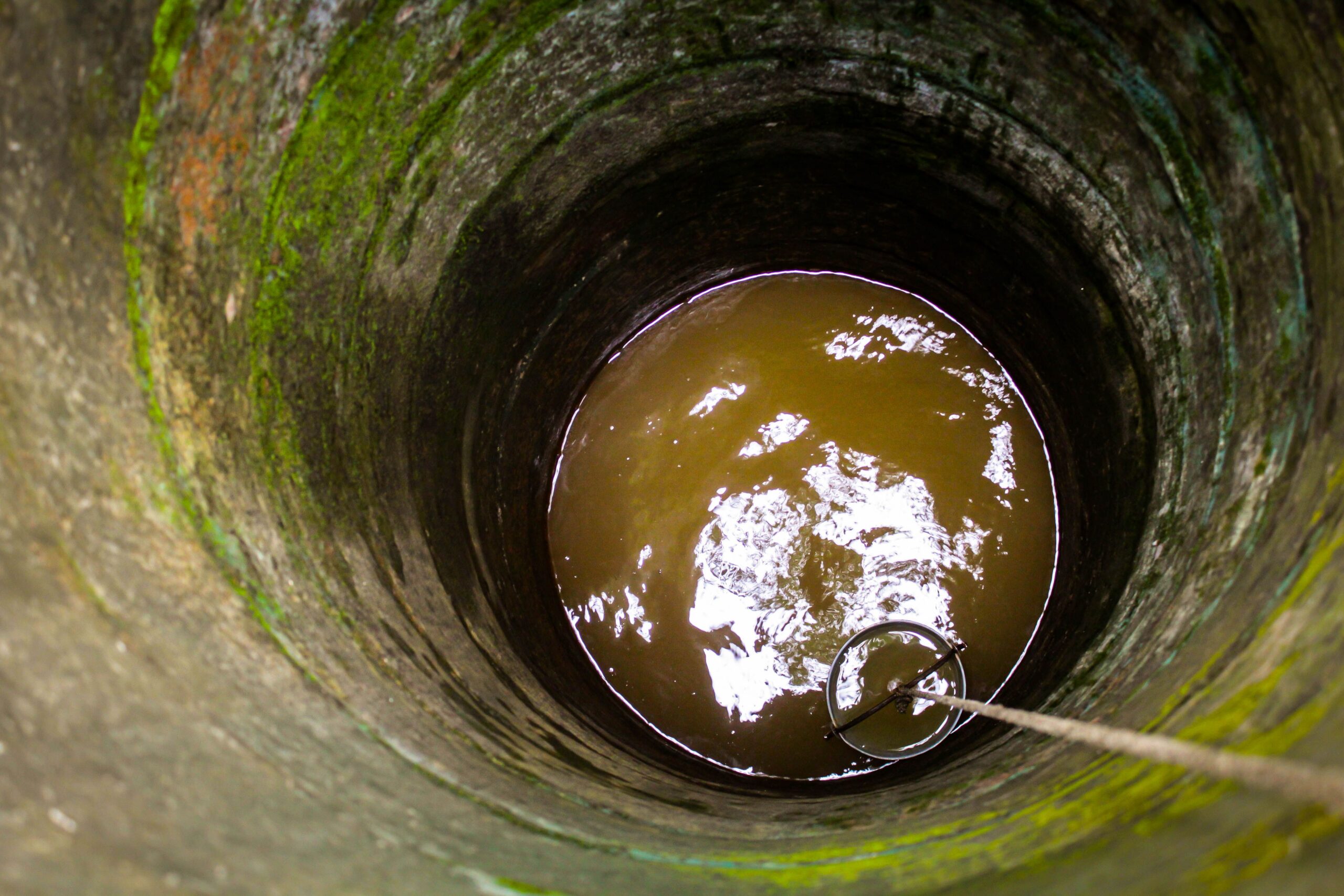
Drinking Water From Private Wells and Risks to Children
Jan 30, 2023
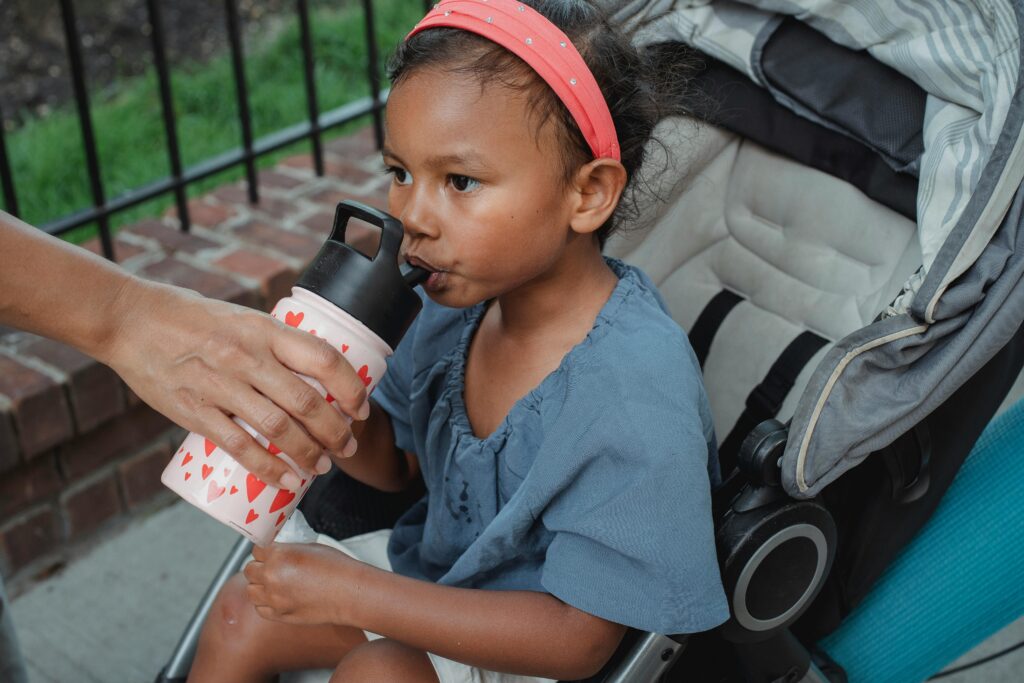
Clean water is essential for drinking, bathing, washing and food and infant formula preparation. Drinking water can be contaminated with many different toxic chemicals including radon, lead, nitrates, gasoline, pesticides, and PFAS. Other concerns include harmful algal blooms and bacteria or other contaminants that can make water unsafe. Microorganisms such as bacteria, parasites and viruses can also cause waterborne illnesses. Infants and young children are more likely to get sick from harmful contaminants in water than adults, given that they consume more water per kilogram of body weight than adults, and because they are still growing and developing. Pregnant women are also more at risk.
The Good News: Health providers can provide resources to patients on how to reduce their exposure to contaminants in water.
References:
Contact Your Region – find your regional PEHSU experts to contact them for more information about the health effects of unhealthy water quality.

*Publication not PEHSU-funded
Receive periodic program updates and get the latest research and insights from our environmental health experts on reproductive and pediatric health.