
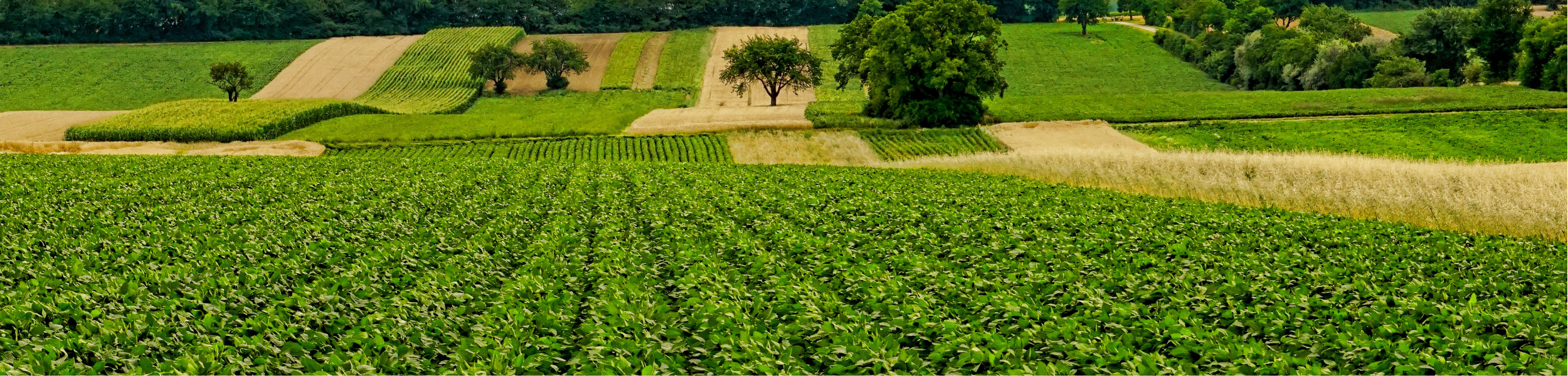
A pesticide is any substance or mixture of substances for controlling, or destroying, any pest (insects, plants, fungi, or rodents). Types of pesticides include insecticides, herbicides, fungicides, and rodenticides. Children can come in contact with pesticides throughout their day in air, food, water, dust, and soil. Children can also come in contact with pesticides that land on surfaces through lawn and garden application, or are used on nearby agriculture or golf courses. Teen workers may have occupational exposures on the farm or in garden care. At home, children can be exposed to pesticides through household pesticide use (like cleaning and disinfecting products), or application to pets (like flea treatment). Children and pregnant women are especially vulnerable to harmful health effects from exposure to pesticides.
The Good News: Families and communities can take simple steps to reduce children’s exposure to pesticides.
References:
- Pesticides (from Ohio-Kentucky-Indiana Water Science Center)
- Pesticide Applicator Certification Series: Toxicity of Pesticides (from Oklahoma State University).
- Organic farmland gains ground across the U.S. (from Organic Produce Network)
In Your Environment
What to Look For
Actions to Take
PEHSU Resources on Pesticides for Families & Communities
Contact Your Region – find your regional PEHSU experts to contact them for more information about the health effects of unhealthy water quality.



The PEHSU Newsletter
Receive periodic program updates and get the latest research and insights from our environmental health experts on reproductive and pediatric health.