

When a child is diagnosed with cancer, the focus understandably turns to treatment. Advances in cancer care have made it possible for more children and young people to survive, offering the possibility of decades of life after diagnosis. But survivorship brings its own questions:
- How can we help survivors stay healthy long after treatment ends?
- What contributes to health challenges they may experience?
- How might the environments where they live, learn, and play affect their health?
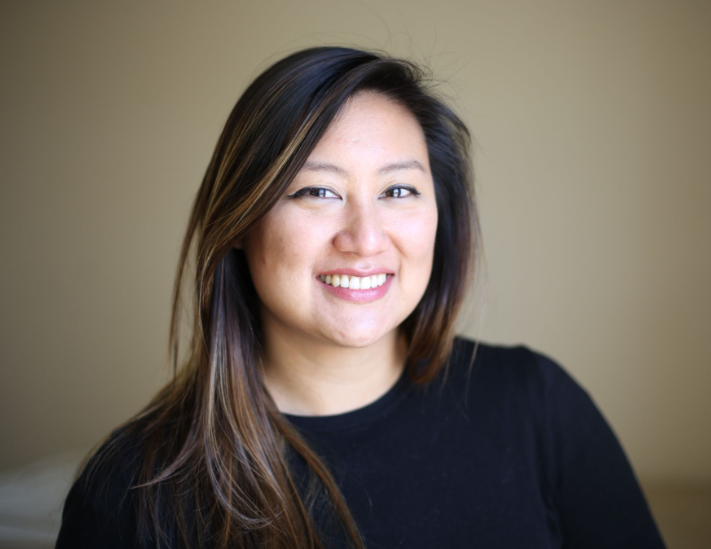
For Dr. Judy Ou, PhD, MPH, an epidemiologist and assistant professor in the Division of Pediatric Hematology/Oncology at the University of Utah School of Medicine and investigator at Huntsman Cancer Institute, these questions sit at the intersection of environmental health and oncology.
Dr. Judy Ou, PhD, MPH
Dr. Ou studies how environmental exposures—including air pollution and wildfire smoke—may affect cancer-related health outcomes. Her work also examines how environmental conditions and major disasters can disrupt cancer care. In a recent webinar hosted by the Pediatric Environmental Health Specialty Units (PEHSU) Childhood Cancer and the Environment Program (CCEP), she discussed emerging evidence about the impacts of wildfires on pediatric cancer care and survivorship, including research exploring wildfire smoke exposure and subsequent cancer diagnoses among people who have survived pediatric, adolescent, and young adult cancers.
The webinar reflects a broader question driving Ou’s research: What happens to cancer patients and survivors when they leave the clinic and return to an environment that may pose additional challenges to their health?
An environmental health perspective on cancer survivorship
Dr. Ou’s path into cancer research began with a longstanding interest in environmental health. As an intern at the Environmental Protection Agency’s Region 8 office in Denver, Colorado, she worked on a report about environmental exposures and childhood health. Cancer emerged as one of the health outcomes that environmental exposures may influence. Years later, while completing a postdoctoral fellowship in cancer survivorship, Dr. Ou began to see a gap between environmental health research and the questions facing cancer patients.
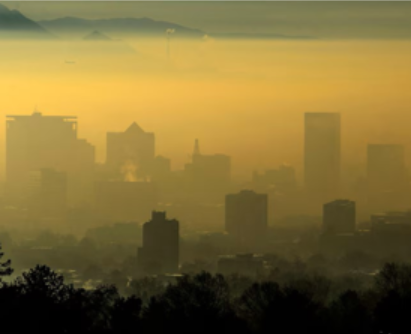
One winter day in Salt Lake City, she was walking to the bus stop during an atmospheric inversion, a weather phenomenon that can trap air pollution close to the ground. She could see the pollution around her and thought about the patients leaving the hospital after cancer treatment, most without masks. Some cancer treatments can cause lasting lung complications, and these patients were returning to an environment where air pollution was an ongoing concern.
Dr. Ou searched the scientific literature for research examining whether air pollution could worsen pulmonary complications among cancer survivors. She found a gap. “I thought to myself, ‘I’m just gonna do it,’” she recalled. With funding from the St. Baldrick’s Foundation, Dr. Ou and her colleagues began investigating the relationship between air pollution and health outcomes among people who had experienced cancer. “We need to understand how exposures in people’s living environments relate to outcomes that are meaningful in oncology,” Dr. Ou explained. That knowledge could help researchers identify clinically relevant questions and, ultimately, help care teams better support survivors.
Salt Lake City, UT on December 16, 2017 during an atmospheric inversion
“We need to understand how exposures in people’s living environments relate to outcomes that are meaningful in oncology.”
-Dr. Judy Ou
Wildfires create a complex public health challenge
As extreme weather conditions contribute to hotter summers and longer drought seasons, severe wildfires can affect large numbers of people, including patients in cancer treatment and cancer survivors.
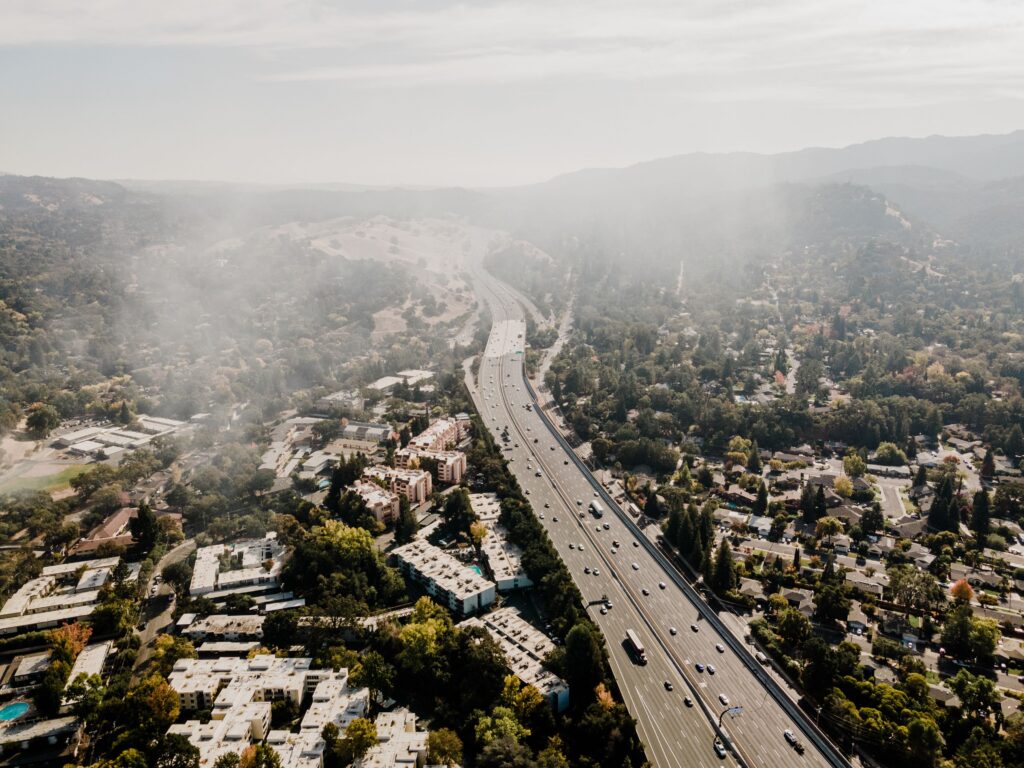
Major wildfire events are unpredictable– their timing, intensity, and reach vary. That makes it difficult for researchers to measure exposure consistently and understand its long-term effects. Smoke itself also presents challenges. Researchers must distinguish wildfire smoke from other sources of air pollution and determine how much exposure people experience over time. But Dr. Ou argues that focusing on wildfire smoke alone misses important parts of the picture.
She describes the broader impacts of wildfires through what she calls the “three Ds”: danger, destruction, and displacement. Danger includes immediate physical threats, such as burns, injuries, and smoke exposure. Destruction can mean losing homes, health facilities, community infrastructure, and the services people depend on. Displacement can force families to leave their homes, interrupt employment or treatment, create financial strain, and separate people from their support systems.
These effects can compound one another. A family may be dealing with hazardous air while also trying to find temporary housing, maintain access to medication, or navigate a disrupted healthcare system. The stress of a disaster may add another layer of difficulty for people already managing chronic health conditions.
Dr. Ou’s training in cumulative risk methodology helps her consider how environmental exposures interact with social and economic stressors, which allows for the consideration of how a person’s health is shaped by environmental exposure as well as the other conditions the individual may face. These overlapping impacts from wildfires and other natural disasters are also difficult to capture in public health surveillance systems. Immediate injuries may be recorded through healthcare encounters like emergency department visits, but physical injuries that are not seen in-clinic, and the longer-term mental health, economic, and community consequences of a wildfire can be harder to measure. As a result, the full burden of these disasters may be underestimated.
When a disaster interrupts cancer care
For children and young people receiving cancer treatment, a wildfire can create an especially difficult set of circumstances. Care may depend on specialized facilities, carefully scheduled appointments, access to prescriptions, and coordination among multiple providers. A disaster can disrupt any of these.
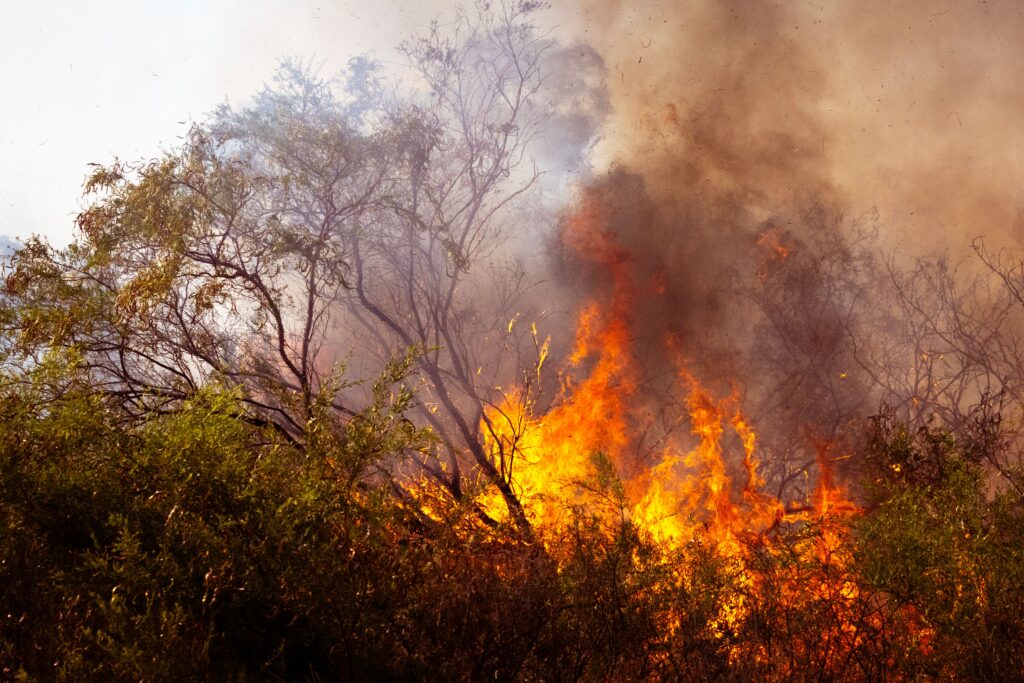
In research examining the impacts of the 2025 Los Angeles wildfires, Dr. Ou and her colleagues heard directly from caregivers navigating cancer care during the emergency. Their experiences underscored how much families need clear, timely communication from healthcare facilities.
Dr. Ou said caregivers were often most frustrated by silence. Even a brief update explaining that a clinic was experiencing difficulties but remained open would give families critical information that could influence their child’s healthcare visits and evacuation plans.
That finding offers a practical lesson for healthcare systems: communication and continuity of care should be part of disaster preparedness. Emergency planning needs to account not only for immediate threats to buildings and staff, but also for the patients who depend on ongoing treatment and follow-up care. Dr. Ou emphasized how valuable it was to hear directly from families, whose experiences can reveal problems that may otherwise be overlooked.
Helping families navigate emerging evidence
Wildfires also raise questions about the health effects of smoke exposure, including for people who have previously been treated for cancer. Dr. Ou’s recent PEHSU webinar addressed emerging evidence in this area, including research exploring associations between wildfire smoke exposure and subsequent cancer diagnoses among one-year survivors of pediatric, adolescent, and young adult cancers. Her team’s work also identified associations between air pollution and cardiovascular and pulmonary complications among cancer survivors. Some findings suggest that survivors who received treatments with greater potential for heart or lung toxicity may be especially affected.

Dr. Ou pointed out how emerging research could support clinicians who are treating patients while considering the full life they lead outside of clinic, including the places they spend their time. Families often have questions about how to protect their children from environmental exposures that can cause disease during or after treatment.
While clinicians may not yet have evidence specific to every exposure or patient population, there is plenty of sound environmental health guidance related to disease prevention and consistent results in emerging studies specific to young cancer survivors, like those authored by Dr. Ou and her colleagues.
Dr. Ou encourages clinicians to address these questions by acknowledging that this is a new topic of study, but also that the studies that have come out show that environmental exposures, specifically air pollution, are new risk factors for cardiovascular complications and pulmonary complications in this population. Providers can also offer basic, but effective advice from broader exposure literature, like closing windows during wildfire events and not touching ashes.
However, there is still abundant research needed to explore the links between environmental exposures, cancer treatment, and survivorship outcomes. Dr. Ou describes it as a “really open field with too many questions to answer.” She jokes, “If I could clone myself, I would. And then I clone myself again to write all the grants to fund the science that I want to do. […] So if anyone wants to join, I’m happy to collaborate, just reach out.”
Building a stronger foundation for research
Dr. Ou points out the need to prioritize epidemiological research beyond air pollution to examine other environmental exposures and conditions, including water quality, extreme heat, natural disasters, and features of the built environment that influence access to healthcare and pharmacy services. Researchers also need to better understand the biological mechanisms that may help explain observed associations and identify possible interventions. And they must determine how to translate findings into healthcare practices that are useful for patients and workable for health systems.
Data remain a significant barrier. Many oncology datasets do not track where patients live in ways that readily support environmental epidemiology. Without better information about residential history and environmental conditions, it can be difficult to investigate exposures over time. Addressing these gaps will require collaboration between environmental health researchers, oncologists, public health professionals, and communities. The fields bring different perspectives and methods, and research is most useful when it addresses questions that matter to patients, families, and clinicians.
Dr. Ou is encouraged by the growing attention to this work. When she first proposed studying environmental exposures and cancer survivorship in 2015, she recalled, a senior oncologist told her that treatment was the only thing that mattered for these children and that she was unlikely to find anything. Since then, Dr. Ou and her colleagues have published multiple studies identifying meaningful associations, and she has seen greater interest in environmental oncology. She is encouraged by the shift, even as she recognizes that much more work is needed.
“It makes me really sad that it takes having natural disasters occur more frequently to make people care,” she said. “But I do have a lot of hope” because families are grateful to see this information being studied and shared.
“It makes me really sad that it takes having natural disasters occur more frequently to make people care. But I do have a lot of hope.”
-Dr. Judy Ou
Her motivation remains grounded in the people behind the data. If the research can help even one parent or survivor feel better informed and more empowered to navigate environmental challenges, she believes the work is worthwhile.
Author: Hannah Wilkerson, Children’s Environmental Health Network
Learn More– Watch the CCEP Webinar featuring Dr. Ou
Content Reviewed by the PEHSU National Program Office and the Childhood Cancer & the Environment Program