Beyond Precision: Ambiomic Survivorship in Childhood and AYA Cancer
Dec 17, 2025

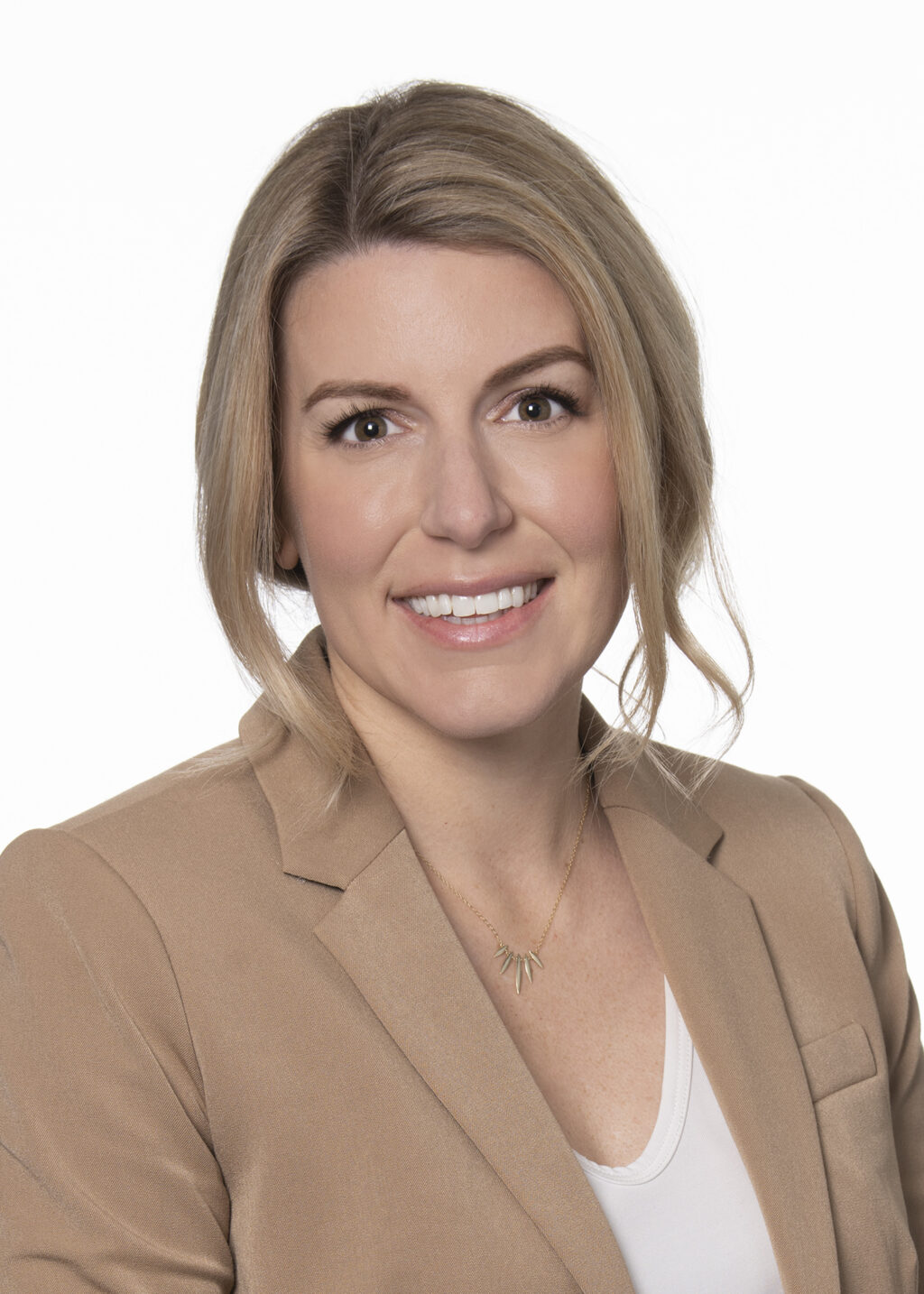
Dr. Nikki Wood received her medical degree from Kansas City University and completed both her pediatric residency and her pediatric hematology-oncology fellowship at Children’s Mercy Kansas City (CMKC). She stayed on as faculty and later completed additional training in clinical informatics, becoming board certified in the field.
An opportunity to become involved with the Childhood Cancer & the Environment Program (CCEP), and the Pediatric Environmental Health Specialty Units (PEHSU), came through an email forwarded by another oncologist in her division. It immediately caught her attention. The work offered a chance to explore a topic that interested her both personally and professionally and, importantly, to better understand the evidence behind questions families were already asking in the oncology space.
Dr. Wood co-directs the Cancer Predisposition Clinic at CMKC, where she cares for children and families with inherited cancer risk and focuses on surveillance, early detection, and prevention. The role has become a natural home for her environmental health work. Families in a predisposition clinic already live with an increased awareness of cancer risk and often ask what, beyond recommended surveillance, they can do to protect their health. Environmental health adds another dimension to those conversations: not as a promise that cancer can be prevented, but as an opportunity to discuss practical, evidence-informed ways to reduce potentially harmful exposures while avoiding blame, fear, or the expectation of perfection.
Environmental health questions are common, but most pediatric clinicians receive little formal training in environmental epidemiology or in how to talk with families about exposure and cancer risk. Dr. Wood’s work with CCEP and PEHSU has helped her bridge that gap, translating a complex and evolving evidence base into conversations that are balanced, practical, and responsive to what families actually want to know.
For Dr. Wood, pediatrics was always the destination, but hematology/oncology was the right fit because of “the combination of the complex medicine, longitudinal relationships with families, and fascinating biology.” Her involvement with CCEP and PEHSU has since added a new lens to that work, shaping both how she practices medicine and how she thinks about environmental exposures in her own home.
“It’s changed how my own family lives,” she says. “I won’t pretend we’ve implemented every recommendation perfectly, and there have definitely been moments when making these changes has felt overwhelming.” That experience has reinforced one of the messages she shares most often with families: environmental health is not about eliminating every exposure or getting everything right. It is about making reasonable changes where they are feasible and meaningful.
Her approach is grounded in the precautionary principle: Credible evidence of risk + Low cost + Available alternatives = Safer option
When there is credible evidence of potential harm, a change is low-cost or low-burden, and a reasonable alternative exists, choosing the safer option can, make sense, even while the science continues to evolve. In practice, that may mean choosing glass when possible, reducing unnecessary fragrances, washing produce, improving indoor air quality, or paying closer attention to ingredients in household and personal care products.
One of the most valuable changes in Dr. Wood’s own practice has been simply creating space for families to ask about environmental health. Being open to those questions has allowed her to address concerns with evidence, acknowledge what is still uncertain, and help families focus on changes that are both realistic and worthwhile. For families who may already feel guilt or worry about what caused a cancer, or what they can do to prevent one, having a clinician engage the topic without judgment can itself be reassuring. The goal is not to create another list of things for families to fear, but to replace some of that uncertainty with practical information and a sense of agency.
Timing matters. Immediately after a new cancer diagnosis, families are often overwhelmed with diagnostic testing, treatment decisions, and an entirely new normal. Unless a family raises an environmental concern, Dr. Wood generally does not introduce the topic at that moment. Instead, environmental health may fit more naturally later in treatment, during survivorship, or in cancer predisposition care, where conversations already center on long-term health and risk reduction.
This approach and the challenges alluded to are discussed in a recent publication Dr. Wood was lead author in Current Problems in Pediatric and Adolescent Health Care: Laying the groundwork for improved outcomes and primary prevention. Families are asking environmental health questions, while clinicians have historically had limited training and few practical tools to help them answer them.
That same message was reflected in recent TIME articles in which Dr. Wood discussed practical approaches to cleaning and prevention. Small habits can become part of daily life without creating anxiety. “The goal isn’t to eliminate every exposure. That’s impossible,” she says. “The goal is to reduce unnecessary exposures where its practical to do so.”
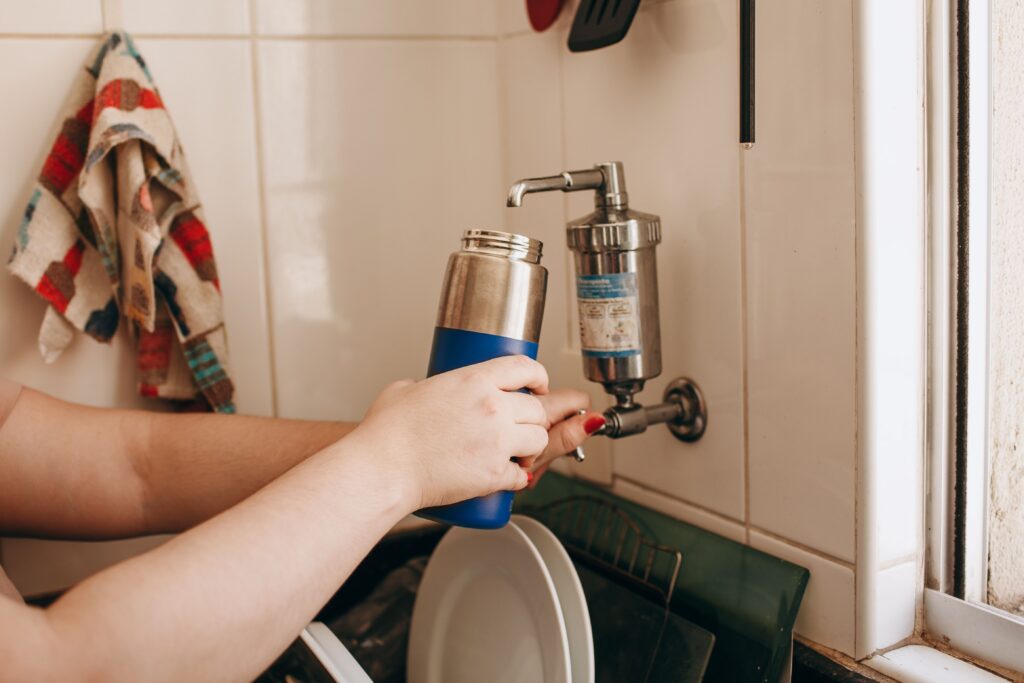
Dr. Wood also has a simple piece of advice, “Read the label.”
Being an informed consumer is one of the simplest ways families can make thoughtful choices. Terms such as “natural”, “green”, and “clean” can be powerful marketing language, but they do not necessarily tell consumers what is in a product. Dr. Wood encourages families to look at ingredients and use trusted resources when they need help interpreting them. She has personally use the website/app Clearya as one tool for reviewing ingredients in personal care and household products.
Her inspiration remains the families themselves. “It’s incredibly rewarding to help them feel heard, give them practical tools, and remind them that it’s not about perfection; it’s about making informed choices where they can,” she says “If we can replace fear with knowledge and guilt with empowerment, then I think we’re making a real difference.”
Author: Allie Schwartz, Children’s Environmental Health Network
Dr. Nikki Wood is a board-certified pediatric hematologist/oncologist and clinical informaticist at Children’s Mercy Kansas City and an Associate Professor of Pediatrics at the University of Missouri–Kansas City. She co-directs the Cancer Predisposition Clinic at Children’s Mercy, where she focuses on the care of children and families with inherited cancer risk, including surveillance and prevention strategies. She is the Mid-America PEHSU champion for the Childhood Cancer and the Environment Program. Dr. Wood’s goal with this work is to empower clinicians to partner with families in understanding and addressing potential environmental risks, and to approach the difficult but common question, “why did this happen?” with empathy, clarity, and evidence-based guidance.
Content Reviewed by the PEHSU National Program Office and the Childhood Cancer & the Environment Program