
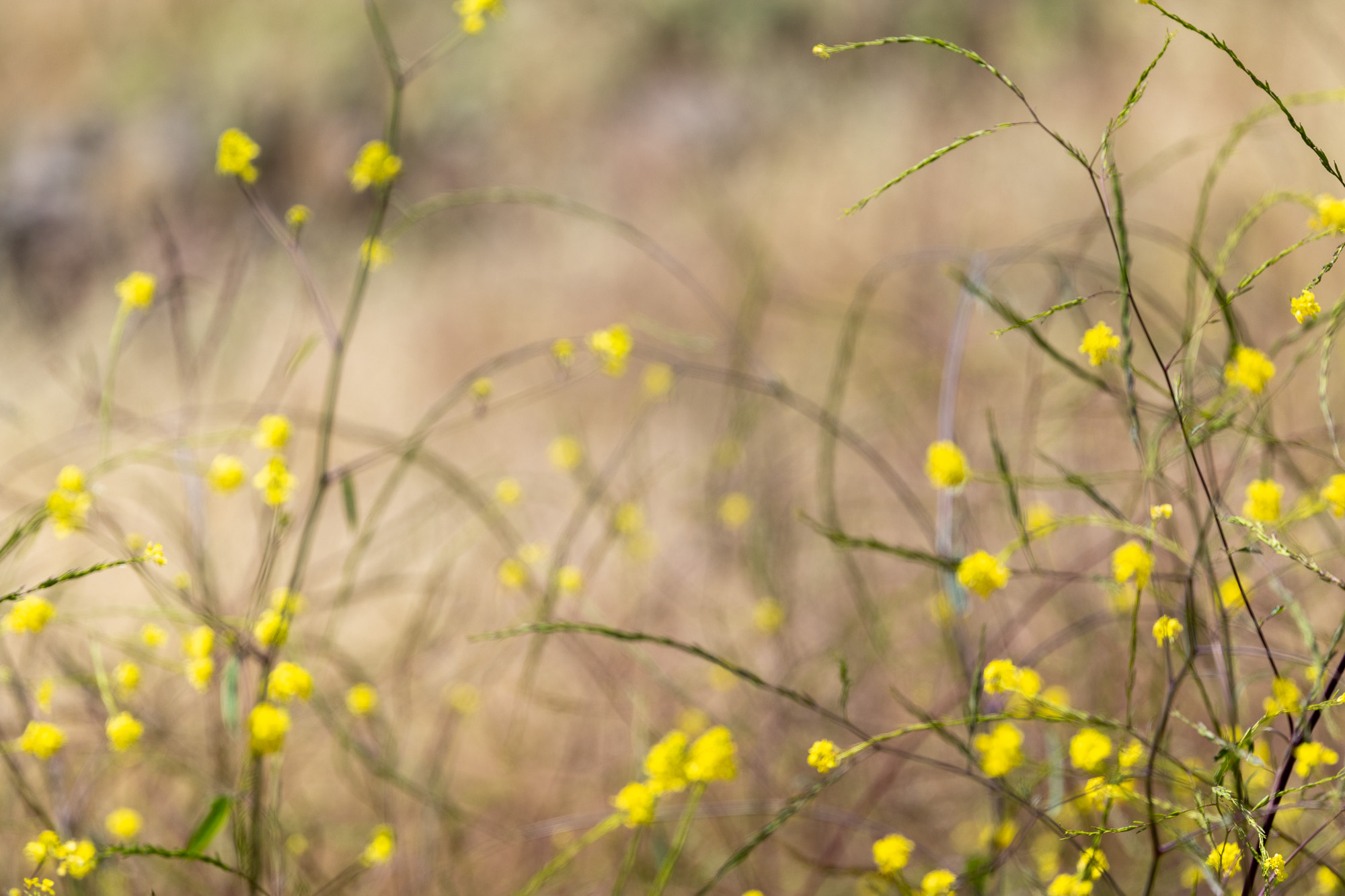
Childhood Cancer & the Environment Program Gathers on Catalina Island
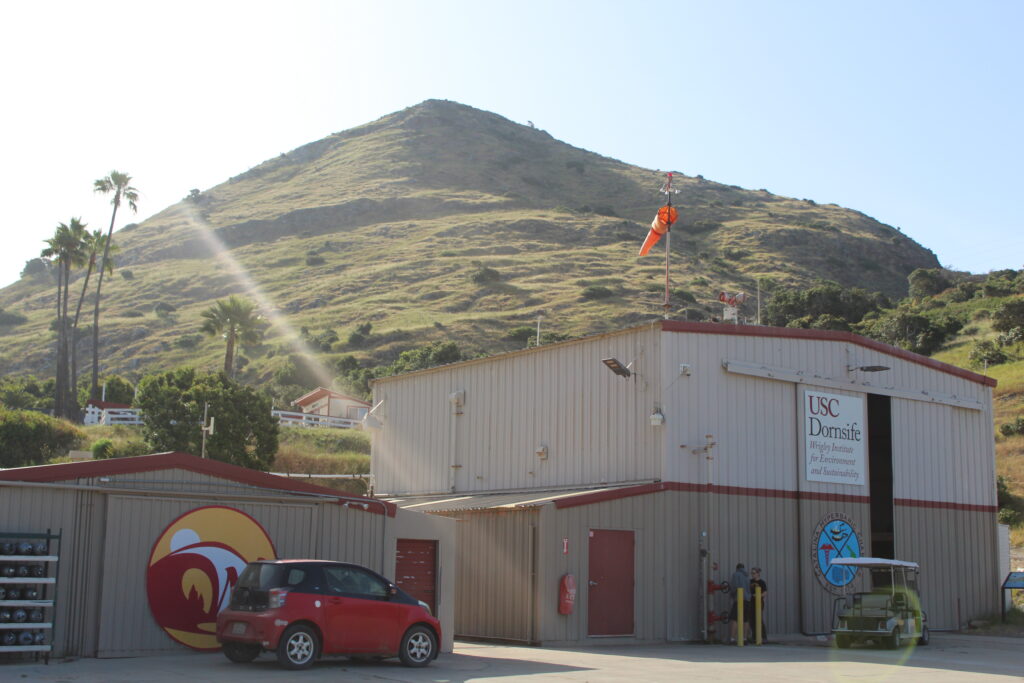
April, 2026 — Santa Catalina Island, Calif: The Wrigley Marine Science Center (WMSC), run by the University of Southern California (USC) on Catalina Island, is 90 minutes by boat from Los Angeles County, but it feels like a world away. Visitors are immersed in the surrounding environment, making it an ideal place for a training about the health effects of the environment. Crystal clear water reveals Catalina’s famous bright orange garibaldi fish, while trails weave a path through prickly pear cactus, wildflowers, and endemic oak trees.
The guiding principle of WMSC is to make the world a better place, by turning problems into solutions. It’s there that researchers have found ways to turn human waste into an electricity source, studied the genetics of protein-dense oysters, and analyzed how sunflowers uptake minerals from the soil and applied those lessons to find innovative ways to combat cystic fibrosis.
Building on this theme of making the world a better place, in April 2026, the center hosted PEHSU’s Childhood Cancer and the Environment Program (CCEP) to train pediatric oncologists and health professionals on the role of the environment in preventing and reducing childhood cancer. CCEP is led by Dr. Mark Miller (UCSF/WSPEHSU). Participants were primarily from California, but came from other states as well (including Texas, Kansas, Georgia, and Ohio). Organizations represented included:
- 6 Children’s hospitals (Children’s Mercy Hospital, Texas Children’s Hospital, Texas Tech Health, El Paso, Cincinnati Children’s Hospital Medical Center, Rady Children’s Health, Children’s Hospital Los Angeles)
- 4 Universities (University of California San Francisco, University of Southern California Keck School of Medicine, UC Berkeley School of Public Health, UC San Diego)
- 3 Pediatric Environmental Health Specialty Units (Western States PEHSU, Southwest PEHSU, Great Lakes Center for Reproductive and Children’s Environmental Health)
- 2 Cancer Registries (Public Health Institute’s Cancer Registry of Greater California and the University of Southern California’s Cancer Surveillance Program)
- 1 Federal government agency (CDC/ATSDR).
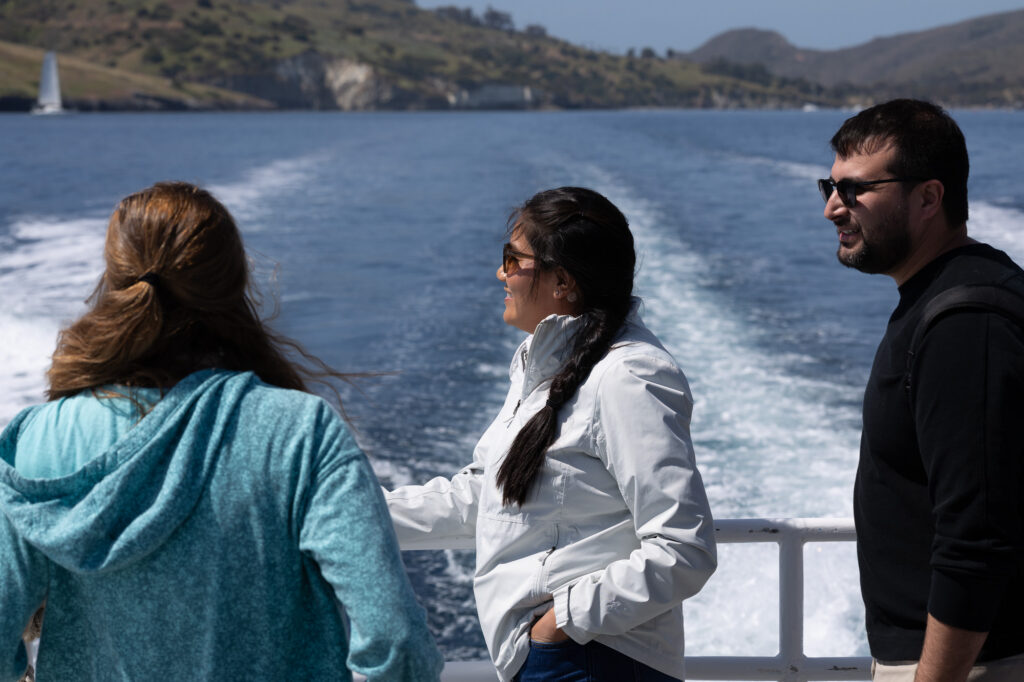
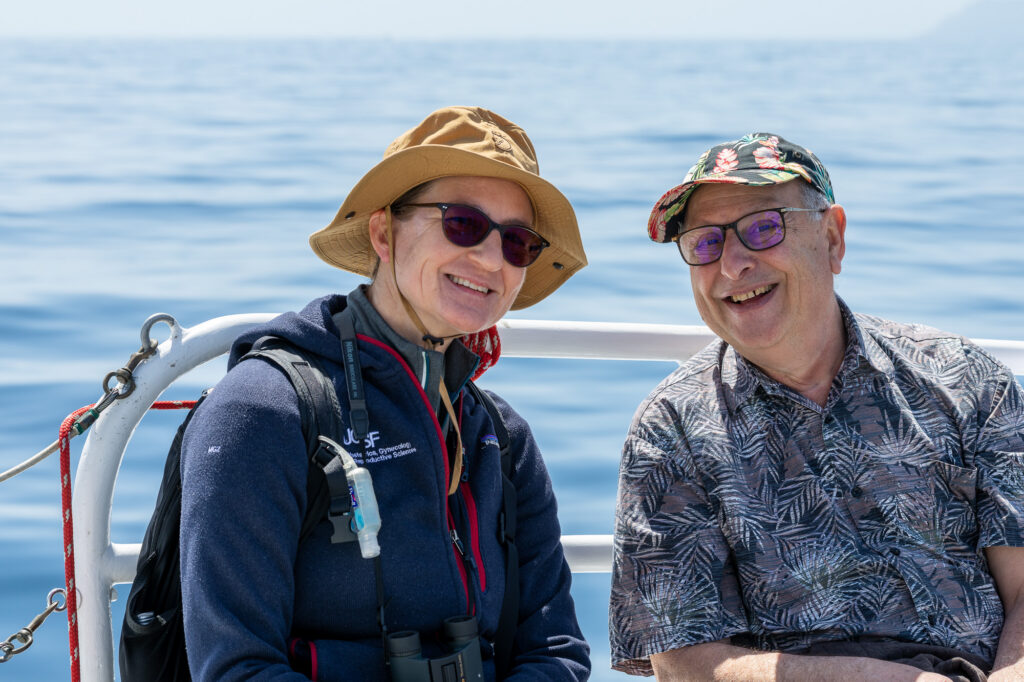
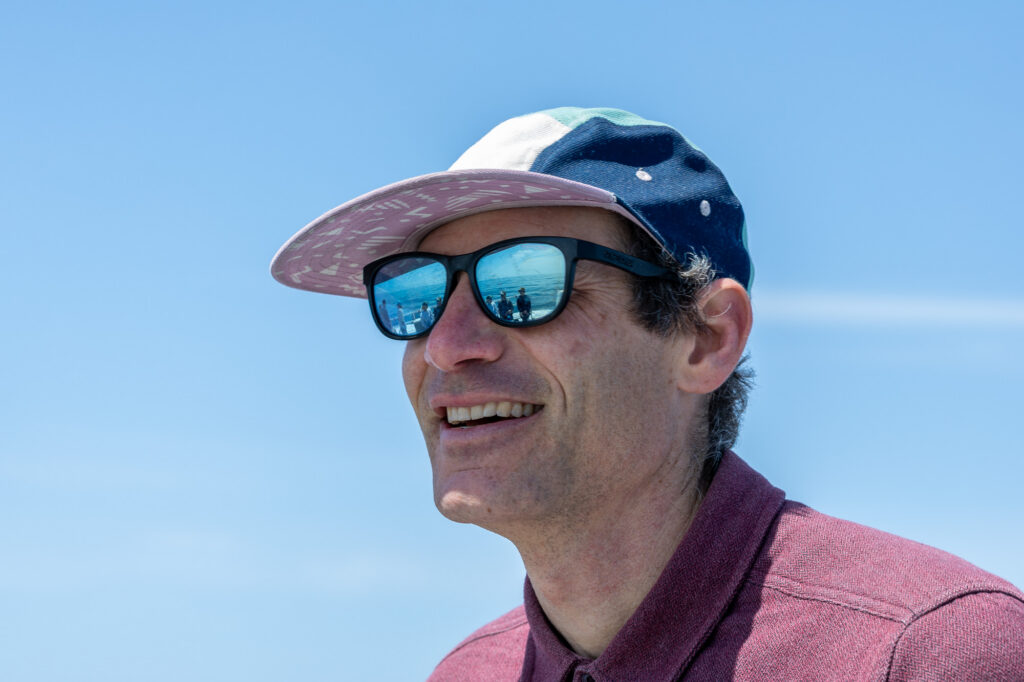
From left: Erica Guerrero PA-C, MS, Dr. Omar Shakeel, Dr. Marya Zlatnik, Dr. Mark Miller, Ben Gerhardstein MPH (Photos courtesy of Dr. Vickie Leonard)
Children’s Health is a Reflection of Their Environment
Throughout the 2.5 day training in this unique environment, the interconnection of children’s health and the environment was a central focus. Leading childhood cancer researcher, Dr. Catherine Metayer (UC Berkeley) discussed her research on environmental hazards and childhood cancer. Dr. Metayer emphasized that “where you live matters” in her research on dust in homes, that has shown the older the home, oftentimes the more chemicals it contains. Chemicals found in dust in her research included PFAS, flame retardants and pesticides, with Latino communities having the highest prevalence of chemicals in their dust, and therefore are most at risk from their health effects.
“Where you live matters.” -Dr. Catherine Metayer
Dr. Metayer also discussed air pollution and PFAS. Air pollution can cause other cancers besides lung cancer. Research shows that children who live close to a gas station or fracking site have higher rates of acute myeloid leukemia (AML). There is no safe level of exposure to benzene (a carcinogen found in petroleum). PFAS exposure is associated with early onset acute lymphoblastic leukemia (ALL). In her research, Dr. Metayer has looked at PFAS found in infant blood. Along with dust and blood, PFAS is also found in water sources. As the training was in Southern California, Dr. Metayer noted that high amounts of PFAS have been found in drinking water in Los Angeles County and Orange County.
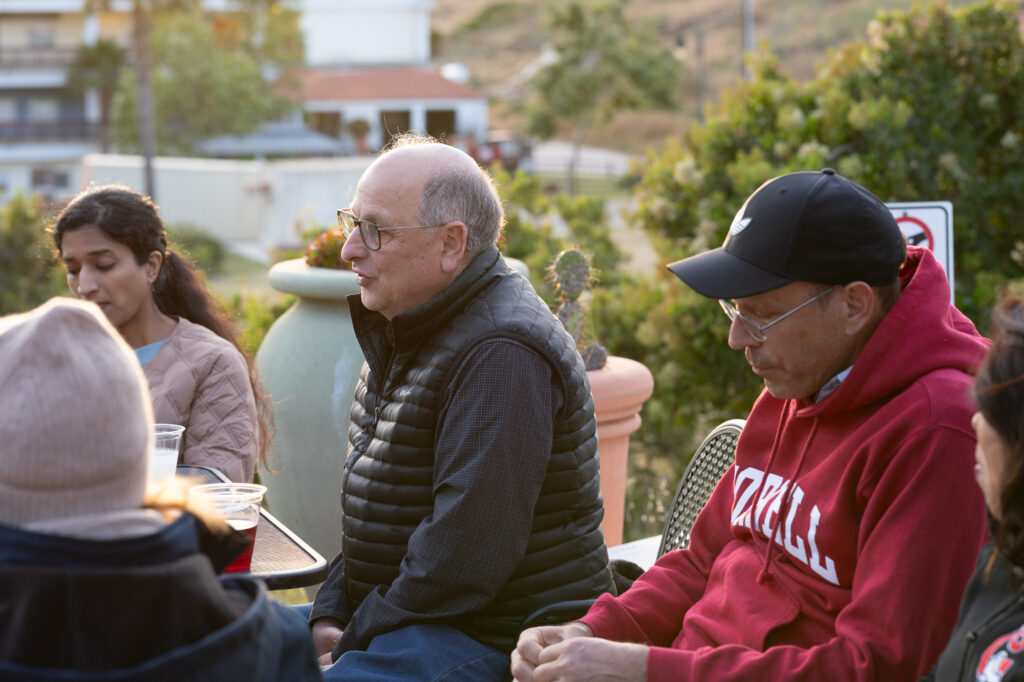
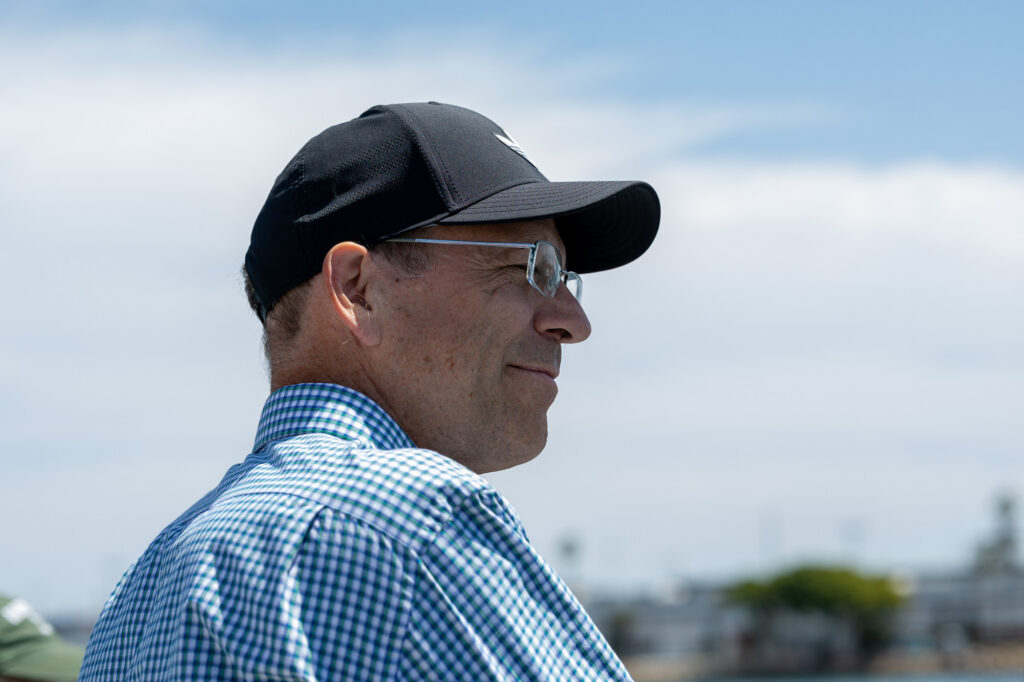
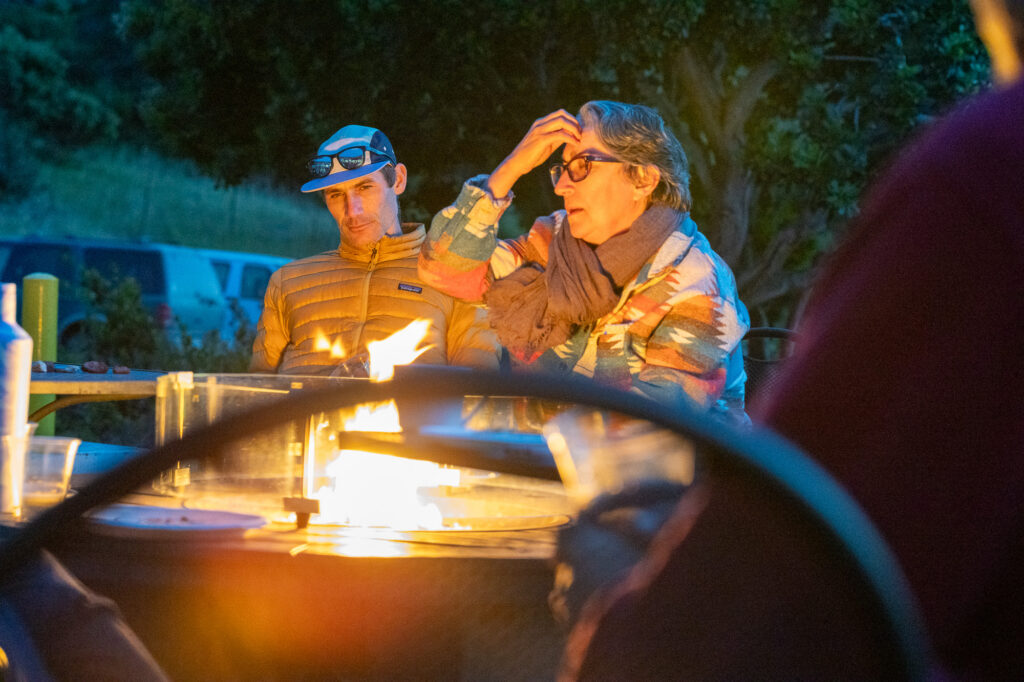
From left: Dr. Apoorva Guttikonda, Dr. Mark Miller, Dr. Joe Wiemels, Ben Gerhardstein MPH, Dr. Catherine Metayer (Photos courtesy of Dr. Vickie Leonard)
Dr. Vickie Leonard (UCSF/WSPEHSU), discussed air pollution in the context of wildfires, gas stoves, and cleaning products. Children are particularly susceptible to air pollution because they breathe at a faster rate and take in more air than adults relative to their body size, so it is especially important to reduce children’s exposure to unhealthy air. Many everyday products like cleaning products, air fresheners, stored house paint, gas stoves, furniture containing flame retardants, and certain types of laundry detergents can affect indoor air quality. Leonard shared resources with the group, including the logos that indicate consumer products that have been evaluated by third party organizations such as Safer Choice cleaning and household products and GreenGuard for household furnishings. She had helpful tips like always using a vent when cooking (ideally with an electric stove instead of gas), and opening doors and windows when cooking as well. Tools like integrated pest management, steam cleaning carpets, using microfiber cloths and unscented cleaning products, and avoiding using bleach can also help.
Dr. Joseph Wiemels (USC Keck School of Medicine), discussed his research on genetics, the environment, and what it teaches us about childhood cancer. Dr. Wiemels noted that “environment is important, but in the context of your genetic make-up.” Dr. Wiemels noted that tobacco, which contains 80 carcinogens, is associated with brain cancer and acute lymphoblastic leukemia (ALL) in children. He has found that both paternal and maternal smoking can increase the risk of a child developing cancer. CMV infection in the mother, as well as elective c-section, are also risk factors. On the positive side, there are also protective factors like breastfeeding, taking folic acid before and during pregnancy, and vaccines. Daycare is another one- the more hours, and the more kids there are at daycare, the more protected a child is against childhood cancer.
Integrating the Environment into Patient Care
Dr. Omar Shakeel (Texas Children’s Hospital) and Dr. Nikki Wood (Children’s Mercy Hospital) highlighted their work with families to protect children’s health. Dr. Wood works in the cancer predisposition clinic at Children’s Mercy Hospital in Kansas and has found that “we do not always identify a cause, but we can reduce risk.” She guides families through protective ways they can ensure exposure to environmental hazards in the home are low. As a mother to five children, she uses the same protective protocols in her own home.
“We do not always identify a cause, but we can reduce risk.” -Dr. Nikki Wood
In Texas, Dr. Shakeel guides families in the cancer survivorship clinic through ways to minimize their stress during and after cancer treatment. Dr. Shakeel utilizes environmental health intake forms to know if a family is exposed to environmental risks that are known to negatively impact health, especially in children who have survived cancer, such as living near an oil refinery or gas station. He then shares protective actions families can take like using air monitors to monitor air inside their home, using air filters if needed, and testing their water quality (if applicable). Also a parent himself, Dr. Shakeel’s care and compassion is evident in the way he discusses his work with families.
Other presenters included Dr. Brian Linde (Kaiser Permanente) who trained attendees on communication skills with patients, Erica Guerrero, PA-C MS (Texas Tech, El Paso), who discussed her work with community health workers (promotores de salud). Jonathan Agin JD (Prep4Gold) joined remotely and shared his perspective as a parent whose daughter passed away from cancer, and his continued work on advocating for children with cancer.
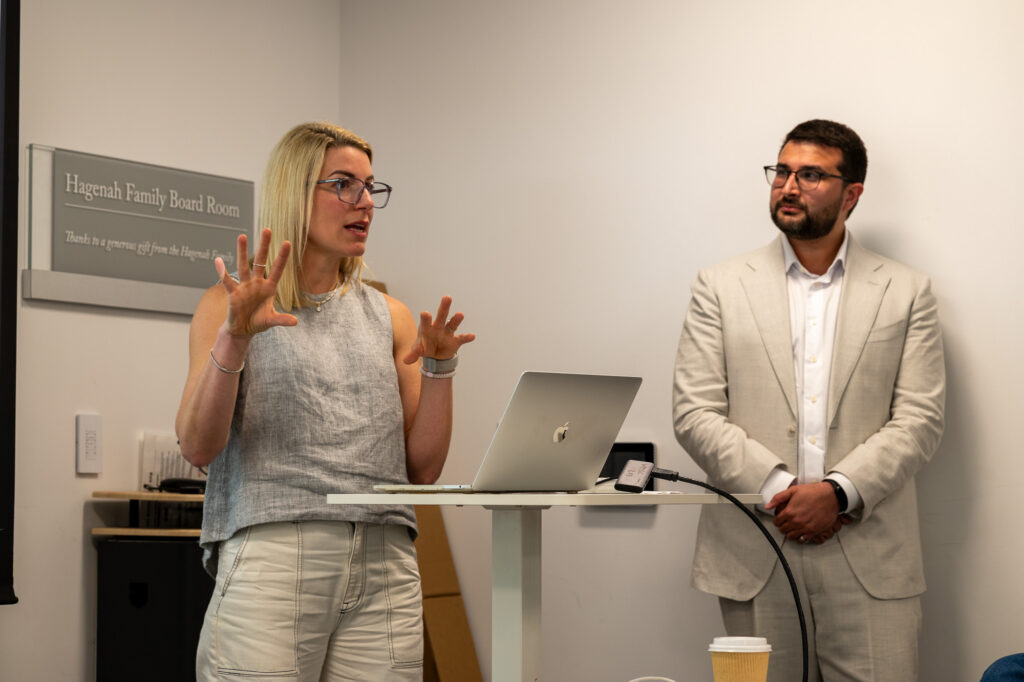
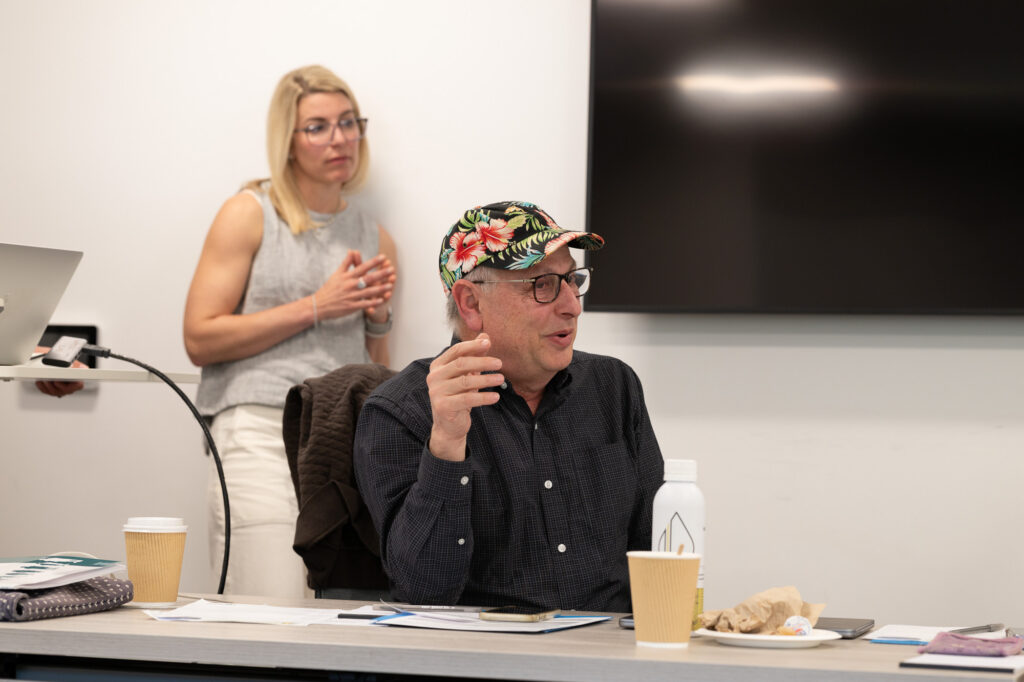
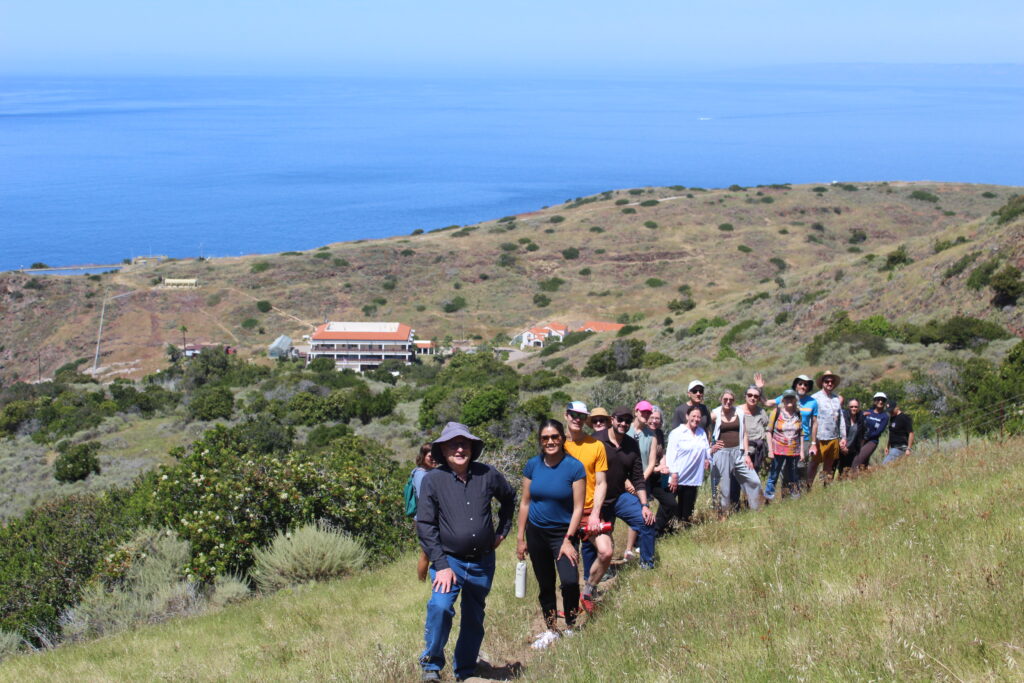
From left: Dr. Nikki Wood, Dr. Omar Shakeel. Dr. Mark Miller, the group on a hike (Photos courtesy of Dr. Vickie Leonard and Whitney Sterten-Hall)
Cancer Patterns & Addressing the Bigger Picture
Dr. Judy Rees (Cancer Registry of California) discussed her work in California and Dr. Suzanne Condon (CDC/ATSDR) (who joined remotely), discussed cancer clusters— looking at larger patterns where cancer is occurring at higher than expected rates in a particular area over time. Each states has its own cancer registry, and anyone can report a concern. Dr. Condon shared specific examples of investigations into cancer clusters including in Woborn, Massachusetts, which inspired the book A Civil Action by Jonathan Harr. Along with state and local health offices, health professionals or community members can contact PEHSU with environmental health questions or concerns.
Thank you to training participants, presenters, and organizers, and USC’s Wrigley Marine Science Center for hosting our group.
Author: Whitney Sterten-Hall, PEHSU National Program Office
Learn More About the Childhood Cancer & the Environment Program
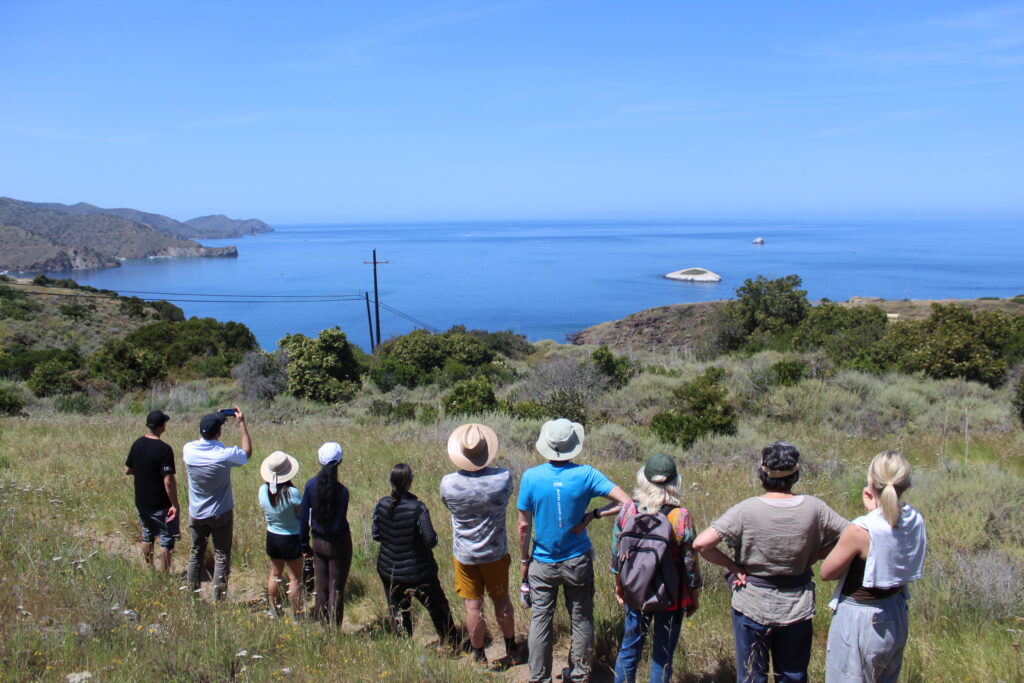
Above: Part of the group on a hike on Catalina Island (Photo courtesy of Whitney Sterten-Hall).
Content Reviewed by the PEHSU National Program Office