
Targeted and non-targeted analyses of per-and polyfluoroalkyl substances in newborn dried blood spots and risk of childhood acute lymphoblastic leukemia
Apr 14, 2026

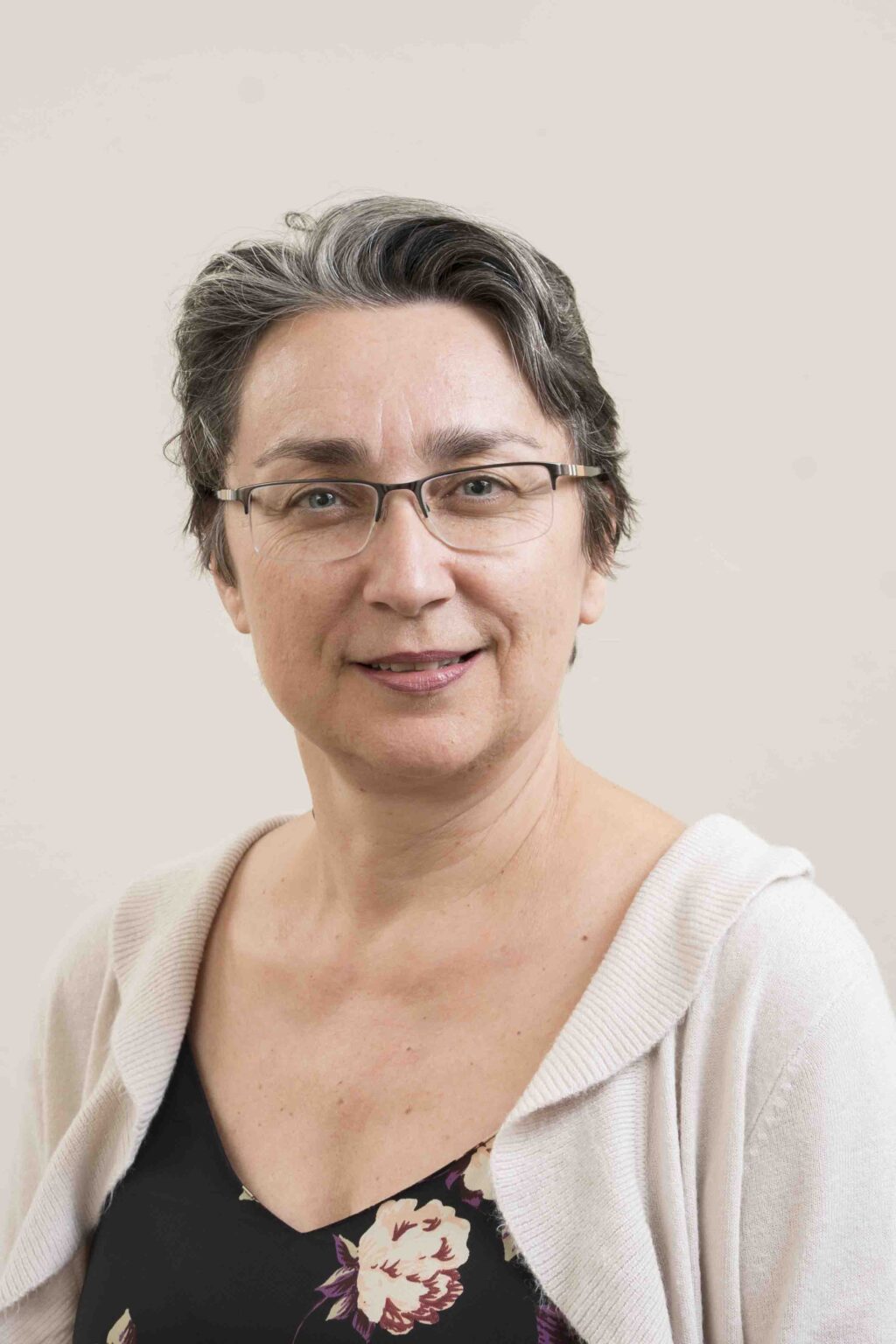
Catherine Metayer, MD, PhD is a leading childhood cancer researcher at UC Berkeley’s School of Public Health specializing in childhood leukemia and environmental health.
Dr. Metayer collaborates with PEHSU’s Childhood Cancer and the Environment Program, to apply her research in meaningful ways to patients, families, health professionals and other critical stakeholders.
We asked Dr. Metayer how she became involved in childhood cancer research, and why it is important to her.
“During my training in medical school in France, I worked both in pediatric and oncology departments so it was a natural progression to study childhood cancer as an epidemiologist.
We always think of cancer as a disease of old people, so why children get cancer is an intriguing question, especially for parents who are faced with this terrifying news about their child. Over 20 years ago, I was fortunate to join a research group that had started an innovative study on childhood leukemia at the University of California Berkeley with the goal to get answers.
I later became the Principal Investigator of the Center for Integrative Research on Childhood Leukemia and the Environment (CIRCLE) funded by the NIEHS and EPA, and was surrounded by experts in various fields such as genetics and epigenetics, toxicology, nutrition and occupational epidemiology to name a few, which was an enriching experience, and still is.”
We also discussed why science translation is so important in this field – to ensure that research has the maximum impact in keeping people healthy.
“Working with professionals in research translation and communication was key to multiplying our impact. We are still continuing this work with the Childhood Cancer and the Environment Program using different formats, like videos. Those are intended for anybody interested in this topic (parents, health professionals, journalists, etc..), so we try to strike the right balance between lay and more specialized content.”
Finally, we asked Dr. Metayer what two key pieces of information about childhood cancer and the environment she thinks are the most vital to communicate to the public.
“The rates of several cancers in children, adolescents, and young adults have increased in recent decades in industrialized countries which points to the likely contribution of the environment and lifestyle. The public is becoming more and more educated and knows that where you live, what you breathe, eat, and drink matters for their health and those of their children, so it is time to get past the notion that ‘we do not know what causes cancer in children.’
Our research group and many others around the world have now consistently identified several risk factors for many childhood cancers, such as air pollution, pesticides, organic compounds, and poor diet, as well as genetic susceptibility. While epidemiology is not an exact science like mathematics, it still provides valuable information to start prevention programs that can not only help reduce the burden of cancer but also other conditions in children that have been linked to the same risk factors.
To get the message out, we are working to educate parents and patients, but also physicians and other health professionals like promotores de salud who can reach the Latino community that is the most affected with childhood leukemia in the US and California.”

Author: Rebecca Barry, Children’s Environmental Health Network & Dr. Catherine Metayer
Dr. Catherine Metayer received her medical degree from the University of Bordeaux II in France, and her Ph.D. in Epidemiology from Tulane University, School of Public Health in New Orleans. She is a leading childhood cancer researcher at UC Berkeley’s School of Public Health. Previously, Dr. Metayer was a scientist at the US National Cancer Institute, Division of Cancer Epidemiology and Genetics. Her work primarily focuses on environmental, dietary, and genetic risk factors of childhood leukemia and testicular cancer, which disproportionately affect the Latinx communities in California. She is the Director of the Center for Integrative Research on Childhood Leukemia and the Environment (CIRCLE), and the immediate past Chair of the Childhood and Cancer Leukemia International Consortium (CLIC). She collaborates with researchers at the intersection of various omics including genetics, epigenetics, metabolomics, and adductomics.
Content Reviewed by the PEHSU National Program Office and the Childhood Cancer & the Environment Program