
A Resource for Health Professionals
Summary of Key Points
- Carbon monoxide (CO) is a toxic, colorless, odorless, tasteless, and flammable gas that is produced by the incomplete combustion of hydrocarbons such as firewood, charcoal, gasoline, and natural gas.
- CO poisonings often occur during power outages related to natural disasters.
- All individuals are at risk and have the potential to die from CO poisoning. Infants, children, and pregnant women represent a unique and vulnerable population.
- Symptoms of CO poisoning are often non-specific and without correlation to the level of exposure.
What is Carbon Monoxide?
Carbon monoxide is a toxic, colorless, odorless, tasteless, and flammable gas that is produced by the incomplete combustion of hydrocarbons such as firewood, charcoal, gasoline, and natural gas. CO can quickly build up to unsafe levels in enclosed or semi-enclosed areas with poor ventilation, leading to death within minutes. Furthermore, this toxic gas can enter living spaces through poorly functioning windows or vents. It is a notorious cause of unintentional poison-related death in the United States (US), responsible for a total of 2,244 deaths between 2010-2015. In 2015 alone, 36% of all deaths occurred during the winter months of December, January, and February due to increased use of heating units, indoor cooking, and use of gas ovens to generate heat.*
What are Potential Sources of CO?
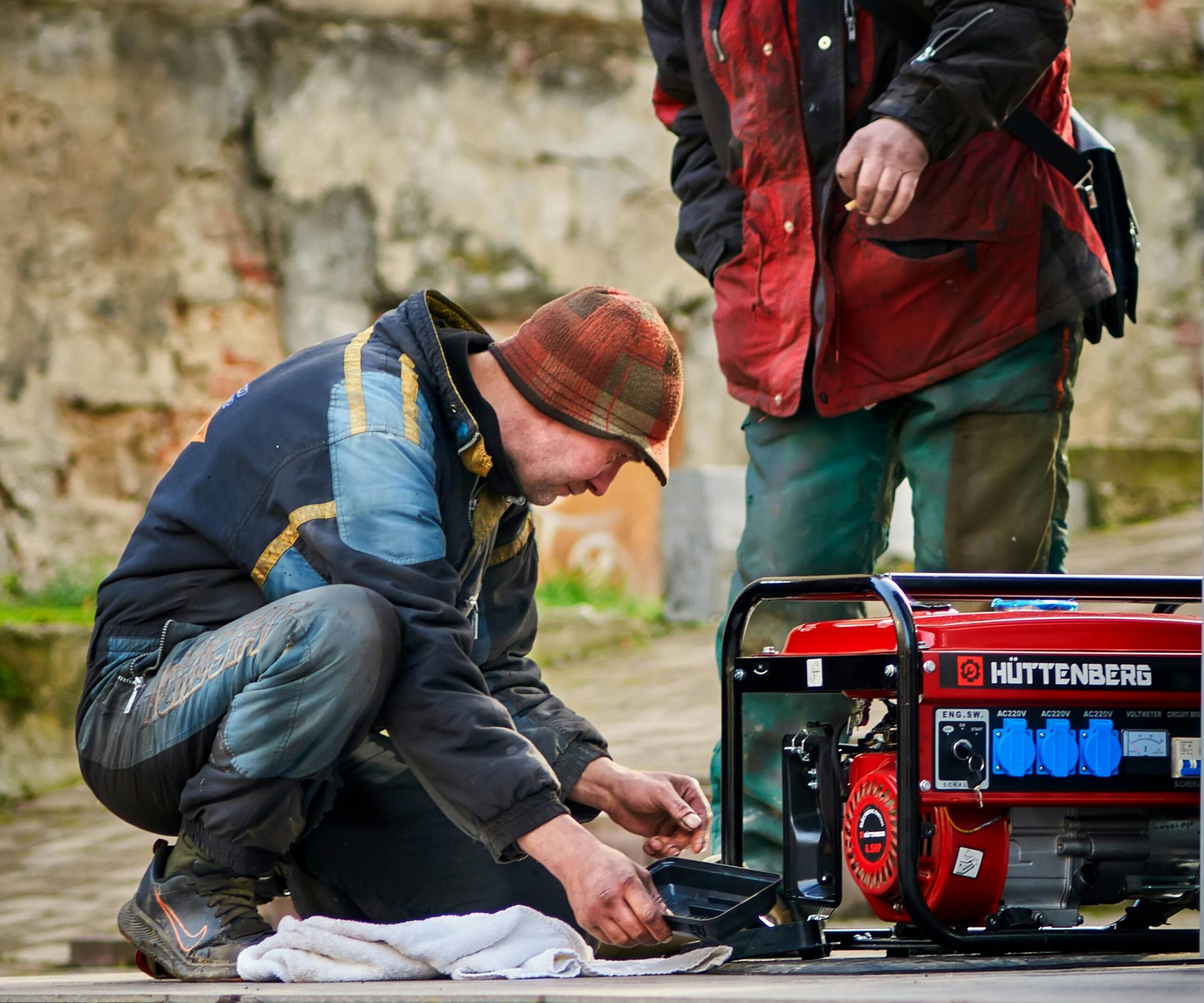
The use of flame-based heating elements (e.g. oil, propane, gasoline, natural gas) or gas-fired electricity generators can cause CO to build up in a home, garage, or camper. Even if a generator is outdoors but near an open window, door, or other opening where exhaust can enter the building, dangerous exposure can occur. Generators should always be placed at least 25 feet from any home. Sources of CO include:
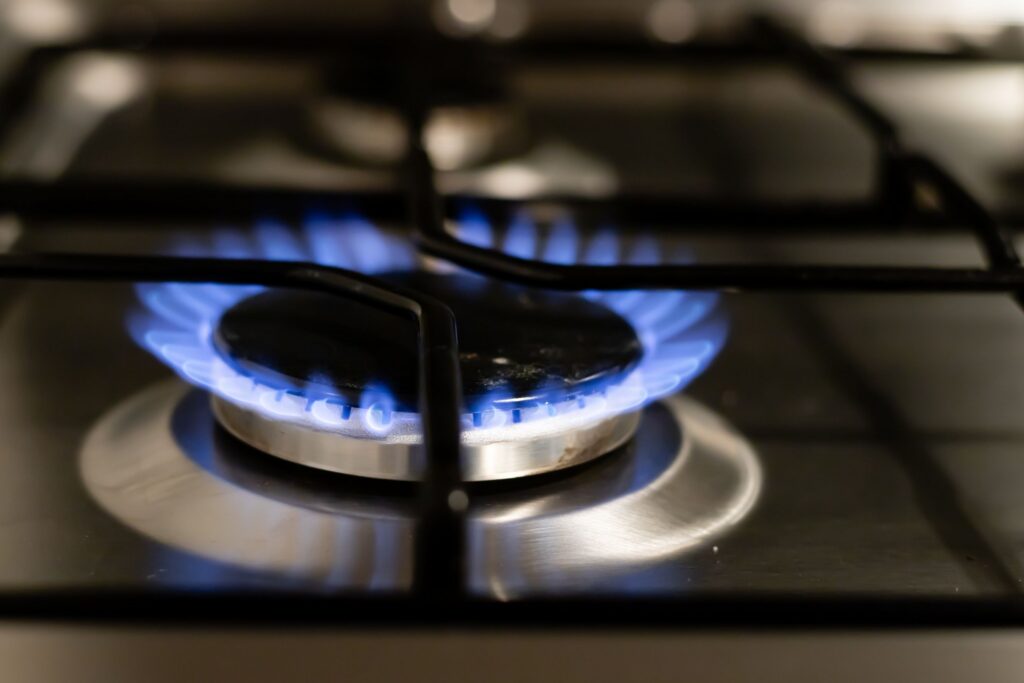
- Furnaces, fireplaces, and wood stoves
- Pressure washers and gas-powered tools
- Certain swimming pool heaters (gas/propane)
- Portable heaters (kerosene/gas/propane)
- Hot water heaters (gas)
- Dryers (gas)
- Stoves/grills (kerosene/gas/propane/charcoal)
- Anything with an internal combustion engine (cars, chainsaws, snowblowers, etc)
In the setting of disaster events such as hurricanes, earthquakes, and snowstorms, CO poisoning is a predictable public health hazard. Insufficient planning for disaster events may lead to increased use of portable devices.
Carbon Monoxide Detectors
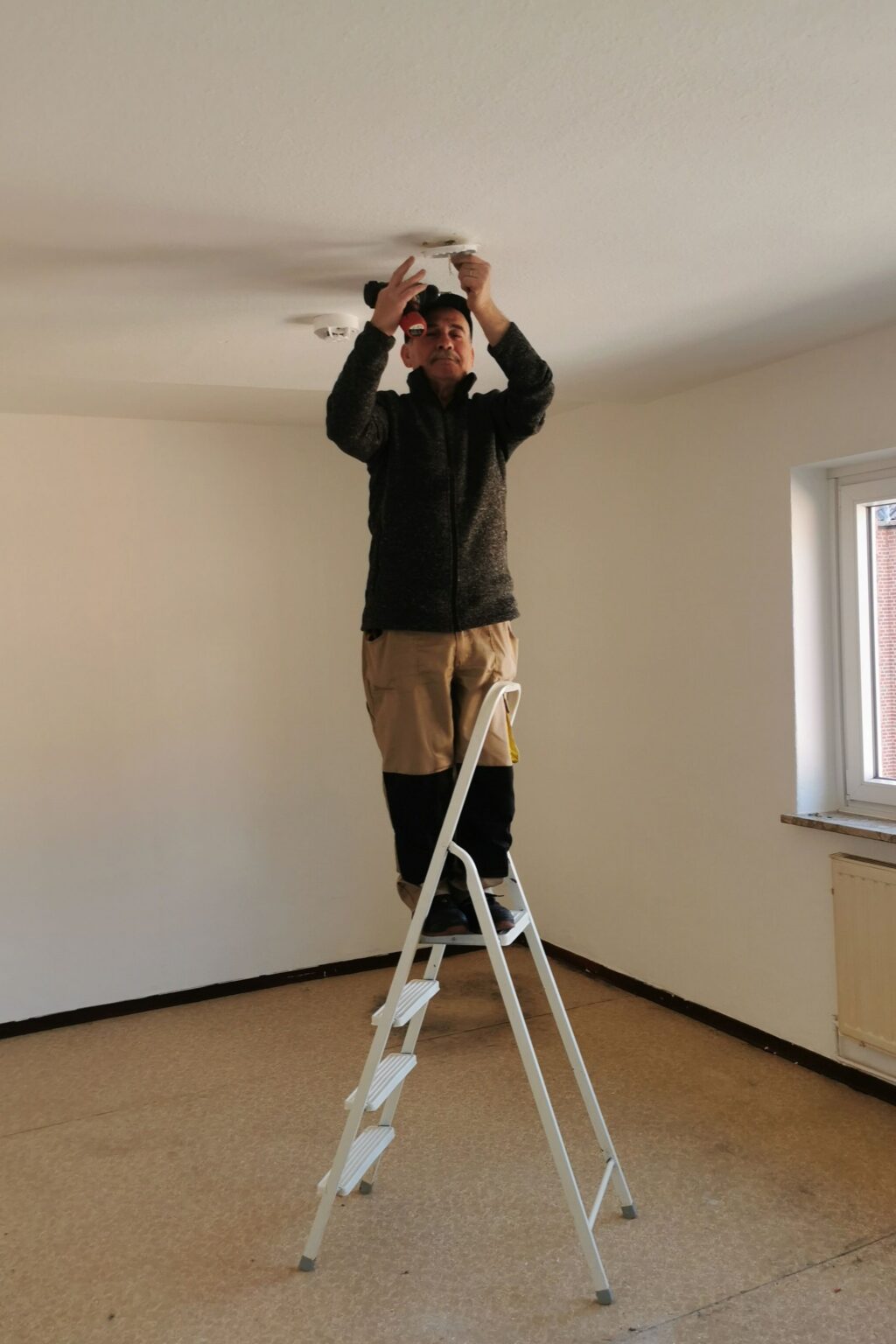
In a residence, carbon monoxide detectors should be installed on every level, including those with fuel-burning appliances, the basement, and outside of sleeping quarters. CO detector alarms (85 decibels) should meet the following alarm response times: at 70 ppm, unit must alarm within 60-240 minutes; at 150 ppm, unit must alarm within 10-50 minutes; at 400 ppm, unit must alarm within 4-15 minutes. CO detectors should be in compliance with the recommendations of recognized authorities, such as Underwriters Laboratories (UL), Housing & Urban Development (HUD), and the National Fire Protection Agency (NFPA).
Who is at Risk?
All individuals are at risk and have the potential to die from CO poisoning, however, infants and children represent a unique and vulnerable population. Due to their increased metabolic and respiratory rates, inability to vocalize specific symptoms, and inability to recognize potential sources of exposure, they are highly susceptible to the dangerous health impacts of CO poisoning.* A review of the 2017 annual report of the American Association of Poison Control Centers notes that children and adolescents (<20 years of age) accounted for approximately 30% of all unintentional CO exposures.* In a report by the Centers for Disease Control and Prevention, children younger than 5 years had the highest rate for emergency department (ED) visits for unintentional, non-fire related CO exposures between 2004 and 2006.* In a study by Unsal, acute CO poisoning occurred more commonly amongst families and children with lower socioeconomic and educational levels.* Unintentional, non-fire related fatalities related to CO poisoning appear to be more common in the Black, Latinxs, and immigrant communities as compared to non-Latinx Whites.* US deaths from unintentional non-fire-related carbon monoxide poisoning from 2000-2017 decreased in non-Latinx whites while deaths among minority groups remained unchanged.* These occurrences may be due to several factors that include socioeconomic status, practices from immigrants’ countries of origin (such as indoor charcoal use), lack of targeted education efforts, and structural barriers.* Fortunately, improved educational efforts can help reduce these differences.*
Does CO Poisoning Impact Pregnancy Outcomes?

In utero, CO readily crosses the placenta, and the circulating fetal hemoglobin (Hgb) has a higher affinity for CO than oxygen. As a result, CO elimination takes longer in the fetal circulatory system when compared to maternal circulation, leading to fetal hypoxia and potentially resulting in permanent fetal brain damage and stillbirth at high maternal CO exposures.* Similarly, prenatal CO exposure has been shown to result in decreased birth weight, in-utero growth restriction, perinatal asphyxia, small infant head circumference, behavioral abnormalities, and disruption in cognitive function.* Children born to mothers with increased CO exposure during pregnancy appear to have a reduced lung function at age one month.*
What is the Pathophysiology of CO Poisoning?
CO crosses the pulmonary capillary membrane easily, and rapidly binds the iron-group of hemoglobin (Hgb) with an affinity that is 250 greater than that of oxygen, forming carboxyhemoglobin (COHgb). Due to the binding of CO, the other three sites of the heme molecule increase their affinity to oxygen molecules, causing a leftward shift of the oxyhemoglobin dissociation curve and further inhibiting the off-loading of oxygen to the deprived peripheral tissue.* CO can have direct toxicity on muscle tissue, as well as impair oxygen delivery, oxygen utilization, and cellular respiration.* In terms of CO kinetics, upon removal from the source of exposure, CO will eventually dissociate from Hgb, with the following half-lives: (1) Breathing room air: 300-360 minutes; (2) Breathing high-flow oxygen: 60-90 minutes; (3) Hyperbaric oxygen at three atmospheres: 30 minutes.*
What are the Symptoms of CO Poisoning?
Symptoms of CO poisoning are often non-specific and without correlation to the level of exposure. The risks of CO exposure increase in the autumn/winter with the use of poorly vented furnaces or fireplaces or wood stoves for heating purposes, coinciding with the peak of the season of influenza illness. The overlapping symptoms may lead to the misdiagnosis of acute or chronic CO poisoning as a case of “bad flu”, but CO poisoning patients are classically afebrile and without cough. Clinicians should have a high index of suspicion of CO poisoning, especially if several members in the same household present with similar clinical findings. Thompson et al. note that there is a wide range of symptoms, such as shortness of breath and blurred vision at mild levels (0-30% COHgb) to cardiac dysrhythmias, seizures, and coma at severe levels (>40% COHgb).*
Acute Symptoms:
- Headaches, dizziness, weakness, drowsiness, nausea, and vomiting, mimicking “flu-like” syndrome.
Signs of more severe, life-threatening CO poisoning can include:
- Dyspnea on exertion, palpitations, confusion, poor mentation, irritability, irrational behavior, slurred speech, loss of consciousness, coma, and eventual death.*
- Delayed neuropsychological sequelae can occur as early as 24 hours after an acute exposure and symptoms can include memory loss, anxiety, depression, and impairment in attention.*
Chronic Symptoms:
- Studies of long-term, lower-level exposures to CO, primarily conducted in adults, suggest that these exposures can lead to neurological and cognitive deficits, even after removal of the source. In a study of adults by Mimura, it was noted that intellectual disturbances (memory, thinking, disorientation) and neurological symptoms (sensory disturbance, ataxia) persisted three decades after exposure.*
- Other non-specific symptoms such as chronic fatigue, emotional distress, difficulty working, sleep disturbances, memory loss, vertigo, neuropathy, paresthesia, recurrent infections, polycythemia, abdominal pain, and diarrhea have been reported.*
- In terms of imaging findings in CO poisoning patients, gray matter structures such as the globus pallidus and the hippocampus can be damaged; however, common findings on magnetic resonance imaging (MRI) are white matter hyperintensities as well as hippocampal atrophy.*
How to Diagnose and Evaluate CO Poisoning?
In order to distinguish CO poisoning from other indoor air pollutants, thorough history-taking is critical if patient is alert and oriented. Important points to identify include living situation (age of the house, use of flame-based heating elements (e.g. oil, propane, gasoline, natural gas) or gas-fired electricity generators) and others in the household having a similar constellation of symptoms.
Diagnosis is based on a suggestive history and physical findings coupled with confirmatory testing. Patients with significant COHgb levels can have normal readings on a regular pulse oximeter. Confirmatory methods include direct measurement of blood COHgb or measurement of COHgb using a transcutaneous co-oximeter capable of specifically measuring COHgb.* Normal COHgb levels in non-smokers can range from 1-2%, while in cigarette smokers, they can range from 5-10%.* Patients should be examined for other conditions, including smoke inhalation, trauma, medical illness, or intoxication. A neurological exam should include an assessment of age-appropriate cognitive function.
If it is suspected that a child has been poisoned by Carbon Monoxide:
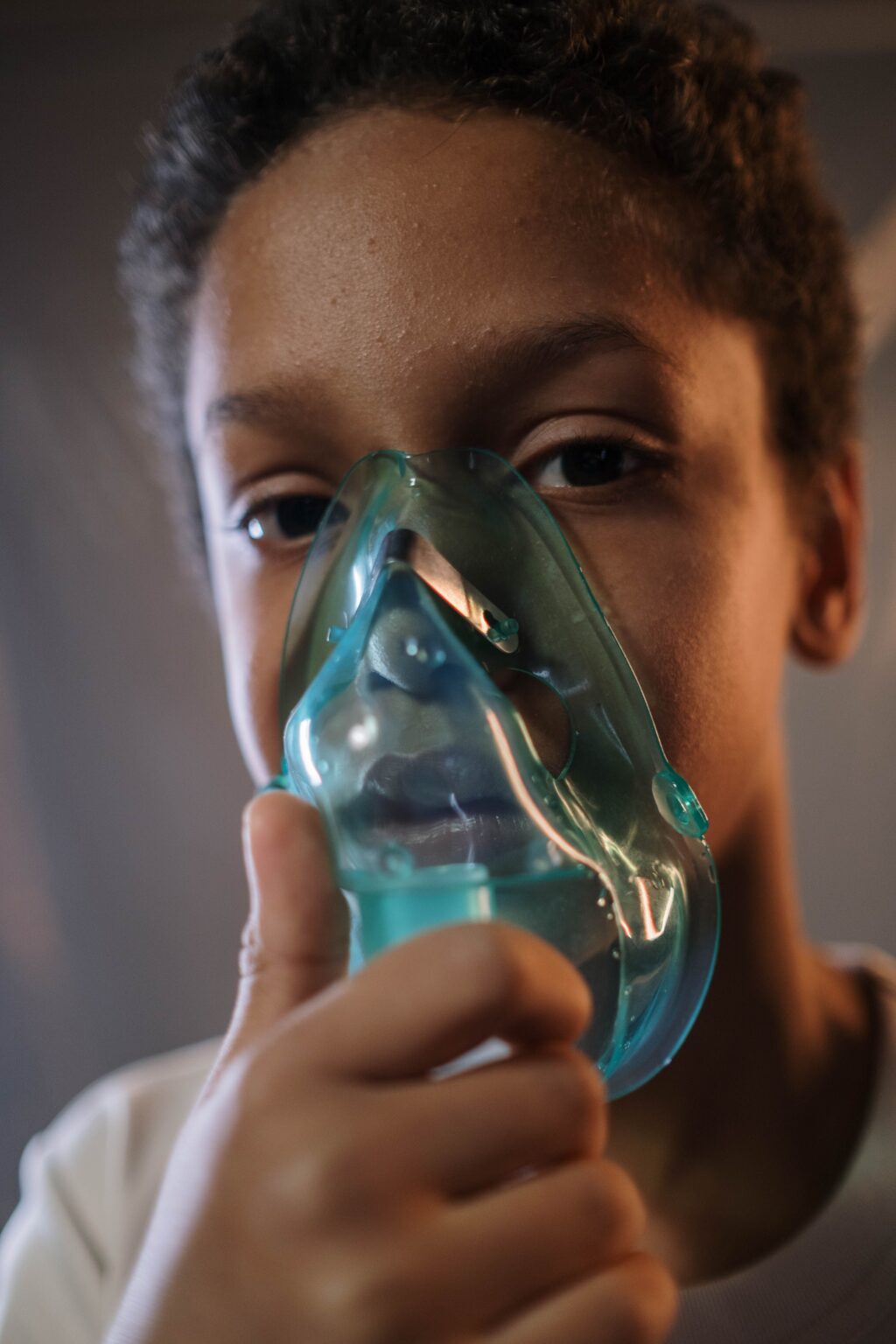
- Move the child to a place with fresh air immediately.
- Administer supplemental oxygen (if available).
- Get child to an Emergency Room and tell them that you suspect CO poisoning.
- Consultation with a poison control center (1-800-222-1222), or with a health care provider who has expertise in managing CO poisoning and who is familiar with all treatment options is recommended.
Important CO Poisoning Prevention Tips for Families:
- Have a working smoke detector and CO detector in the home. It is suggested that CO detectors:
o be installed near every sleeping area of the home,
o be tested weekly,
o be cleaned monthly,
o be replaced or have batteries replaced as recommended by the manufacturer. (Be sure to read the instructions!) - Have home heating systems checked by a trained professional each year. Make sure that furnaces and gas fireplaces are properly vented and that there are no obstructions to the exhaust pipe.
- Hot water heaters and gas-fired dryers can also be sources of carbon monoxide. Make sure that they are installed according to manufacturer’s specifications and are properly vented.
- Make sure that wood stoves and fireplace chimneys are cleaned and are in compliance with all state and local regulations for installation and proper ventilation of exhausts before they are put in use and are maintained without obstruction, including snow.
- Never use a gas range or oven to heat a home.
- Never use a charcoal grill, hibachi grill, lantern, or portable camping stove inside a home, tent or camper. Never use gas or kerosene heaters indoors without proper venting to the outside.
- Never run a generator, pressure washer, or any gasoline-powered engine inside a basement, garage, or other enclosed structure. CO may build up even if the doors or windows are open.
- Keep vents and flues free of trash, especially if winds are high. Flying trash can block ventilation lines.
- Run any motor vehicle, generator, pressure washer, or any gasoline-powered engine outside at least 25 feet from any window, door, or vent where exhaust can drift into an enclosed area. Since wind may still blow CO into home, make sure to have a CO detector in the home.
- Never leave the motor running in a car/vehicle parked in a closed or partially closed space, such as a garage. Make sure that car exhaust pipes are clear of snow or mud so fumes will not go back into the vehicle. Do not leave a vehicle running while clearing snow from around the vehicle to avoid the build-up of CO.
- For power outages, it is safest to use permanently installed generators instead of portable generators. The only advised method to connect a generator to house wiring is by having a qualified electrician install a power transfer switch. Portable generators should only be used for emergencies and should always be located outside a residence. For further information on the safe use of generators during a power outage see this Department of Health resource from Washington State.
- If conditions are too hot or too cold during a disaster or power outage, go stay with friends or at a community shelter.
- If carbon monoxide poisoning is suspected, take people affected to fresh air and call 911 for assistance. Make sure other people in the same area are safe. Go to the emergency room for care.
- Stop smoking habits: cigarettes or marijuana.
*References
- American Academy of Pediatrics. Carbon Monoxide. In: Etzel, RA, Balk SJ. Pediatric Environmental Health. American Academy of Pediatrics. 2018:451 – 462.
- American Thoracic Society. In utero exposure to carbon monoxide increases infants’ risk of poor lung function. Science Daily. Accessed on June 10, 2020 https://www.sciencedaily.com/releases/2018/05/180521092740.htm
- Beppu T. The role of MR imaging in assessment of brain damage from carbon monoxide poisoning: a review of the literature. American Journal Neuroradiology. 2014: 35(4), 625–631. https://doi.org/10.3174/ajnr.A3489
- Centers for Disease Control and Prevention. Nonfatal, unintentional, non-fire-related carbon monoxide exposures–United States, 2004-2006. Morbidity and Mortality Weekly Report (MMWR). 57(33), 896–899.
- Delomenie M, Schneider F, Beaudet J, Gabriel R, Bednarek N and Graesslin O. Carbon monoxide poisoning during pregnancy: presentation of a rare severe case with fetal bladder complications. Case Reports in Obstetrics and Gynecology. 2015;687975 https://doi.org/10.1155/2015/687975
- Friedman P, Guo XM., Stiller RJ, Laifer SA. Carbon Monoxide Exposure During Pregnancy. Obstetrical and Gynecological Survey. 2015:70(11), 705–712. https://doi.org/10.1097/OGX.0000000000000238
- Gomez C, Berlin I, Marquis P, Delcroix M. Expired air carbon monoxide concentration in mothers and their spouses above 5 ppm is associated with decreased fetal growth. PrevMed. 2015,40:10–15. https://doi: 10.1016/j.ypmed.2004.04.049
- Gummin, DD, Mowry JB, Spyker, DA, Brooks DE, Osterthaler KM, Banner W. 2017 Annual Report of the American Association of Poison Control Centers’ National Poison Data System (NPDS): 35th Annual Report. Clinical Toxicology. 2018; 56(12), 1213–1415. https://doi.org/10.1080/15563650.2018.1533727
- Hampson NB. Racial and ethnic trends in unintentional carbon monoxide poisoning deaths. Undersea Hyperbaric Medical. 2019;46(4), 495–501. https://pubmed.ncbi.nlm.nih.gov/31509905/#:~:text=Results%3A%20The%20absolute%20number%20of,population%20did%20not%20significantly%20change.
- Ralston JD, Hampson NB. Incidence of severe unintentional carbon monoxide poisoning differs across racial/ethnic categories. Public Health Reports. 2000;115(1):46-51. doi:10.1093/phr/115.1.46
- Johnson-Arbor K, Liebman DL, Carter EM. A survey of residential carbon monoxide detector utilization among Connecticut Emergency Department patients. Clinical Toxicology. 2012;50(5):384-389. doi:10.3109/15563650.2012.683576
- Schimmel J, George N, Schwarz J, Yousif S, Suner S, Hack JB. Carboxyhemoglobin Levels Induced by Cigarette Smoking Outdoors in Smokers. Journal of Medical Toxicology. 2018;14(1):68-73. doi:10.1007/s13181-017-0645
- Juul N, Friedenberg A. Carboxyhemoglobin as High as K2. In: C43. DRUG INDUCED LUNG DISEASE: CASE REPORTS. American Thoracic Society International Conference Abstracts. American Thoracic Society; 2017:A5573-A5573. doi:10.1164/ajrccm-conference.2017.195.1_MeetingAbstracts.A557
- Hampson NB, Piantadosi CA, Thom SR, Weaver LK. Practice recommendations in the diagnosis, management, and prevention of carbon monoxide poisoning. American Journal of Respiratory and Critical Care Medicine. 2012;186:1095–1101. https://doi.org/10.1164/rccm.201207-1284CI
- Hampson NB. Noninvasive pulse CO-oximetry expedites evaluation and management of patients with carbon monoxide poisoning. American Journal of Emergency Medicine. 2012;30(9), 2021–2024. https://doi.org/10.1016/j.ajem.2012.03.026
- Koren G, Sharav T, Pastuszak A, Garrettson LK, Hill K, Samson I, Rorem M, King A, Dolgin JE. A Multicenter, Prospective Study of Fetal Outcome Following Accidental Carbon Monoxide Poisoning in Pregnancy. Reproductive Toxicology. 1991; 5:397-403. doi: 10.1016/0890-6238(91)90002-w
- Kuschner WG, Blanc PD. Gases and other airborne toxicants. Current Diagnosis And Treatment: Occupational And Environmental Medicine (pp. 559 – 591). McGraw-Hill Medical.
- Suner S, Jay G. Carbon Monoxide Has Direct Toxicity on the Myocardium Distinct from Effects of Hypoxia in an Ex Vivo Rat Heart Model. Academic Emergency Medicine. 2008;15(1):59-65. https://doi.org/10.1111/j.1553-2712.2007.00012.x
- Buboltz JB, Robins M. Hyperbaric Treatment of Carbon Monoxide Toxicity. StatPearls. Accessed February 10, 2021. http://www.ncbi.nlm.nih.gov/books/NBK470531/
- Macnow TE, Waltzman, ML. Carbon monoxide poisoning in children: diagnosis and management in the emergency department. Pediatric Emergency Medical Practice. 2016;13(9), 1–24. PMID: 27547917.
- Mimura K, Harada M, Sumiyoshi S, Tohya G, Takagi M, Fujita E, Takata A, Tatetsu S. Seishin shinkeigaku zasshi. Psychiatria Neurology Japonica. 1999; 101(7), 592–618.
- Parkinson RB, Hopkins RO, Cleavinger HB, Weaver LK, Victoroff J, Foley JF, Bigler ED. White matter hyperintensities and neuropsychological outcome following carbon monoxide poisoning. Neurology. 2002;58(10), 1525–1532. https://doi.org/10.1212/wnl.58.10.1525
- Penney DG. Chronic Carbon Monoxide Poisoning: A Case Series. CRC Press. 2008. https://www.taylorfrancis.com/chapters/edit/10.1201/9780849384189-31/chronic-carbon-monoxide-poisoning-case-series-david-penney
- Centers for Disease Control and Prevention. QuickStats: Number of Deaths Resulting from Unintentional Carbon Monoxide Poisoning, by Month and Year, National Vital Statistics System, United States, 2010–2015. Morbidity and Morality Weekly Report (MMWR). 2017;66:234. DOI: http://dx.doi.org/10.15585/mmwr.mm6608a9.
- Rajaonarison JJC, Nithart A, Rakotomahenina H, Randaoharison PG, Dallay D,et al. Unintentional Acute Carbon Monoxide Poisoning During Pregnancy: Five Years of Experience in Bordeaux. Global Journal of Reproductive Medicine. 2018; 6(1): 555679. DOI: 10.19080/GJORM.2018.06.555679.
- Rose JJ, Wang L, Xu Q, McTiernan CF, Shiva S, Tejero J, Gladwin MT. Carbon Monoxide Poisoning: Pathogenesis, Management, and Future Directions of Therapy. American Journal of Respiratory and Critical Care Medicine. 2017;195(5), 596–606. https://doi.org/10.1164/rccm.201606-1275CI
- Specific Poisons and Drugs: Diagnosis and Treatment (2012). In K.R. Olson, I.B. Anderson, N.L. Benowitz, P.D. Blanc, R.F. Clark, T.E. Kearney, S.Y. Kim-Katz, A.B. Wu (Eds.), Poisoning & Drug Overdose. McGraw-Hill Education;
- Suner S, Partridge R, Sucov A, Valente J, Chee K, Hughes A, Jay G. Non-invasive pulse CO-oximetry screening in the emergency department identifies occult carbon monoxide toxicity. Journal of Emergency Medicine. 2008;34(4), 441–450. https://doi.org/10.1016/j.jemermed.2007.12.004
- Thompson LM, Clark M, Cadman B, Canúz E, Smith KR. (2011). Exposures to high levels of carbon monoxide from wood-fired temazcal (steam bath) use in highland Guatemala. International Journal of Occupational and Environmental Health. 2011;17(2), 103–112. https://doi-org.ucsf.idm.oclc.org/10.1179/107735211799030979
- Unsal SR, Taşar MA, Bostanci, I, Şimşec Y, Bilge-Dallar Y. Characteristics of Children with Acute Carbon Monoxide Poisoning in Ankara: A Single Centre Experience. Journal of Korean Medical Science. 2015; 30(12), 1836–1840. https://doi.org/10.3346/jkms.2015.30.12.1836
- Weaver LK, Hopkins RO, Churchill SK, Deru K. Neurological outcomes 6 years after acute carbon monoxide poisoning. Undersea and hyperbaric Medical Society. 2008; 35:258–259
- Weaver LK. Clinical practice, Carbon monoxide poisoning. New England Journal of Medicine. 2009;360(12), 1217–1225. https://doi.org/10.1056/NEJMcp0808891
- Weaver LK, Orrison WW, Deru K, McIntosh J. Brain imaging abnormalities in carbon monoxide–poisoned patients with ongoing symptoms at least 6 months after poisoning. Undersea Hyperbaric Medical Society. 2015;42:469–470.
- Wylie, BJ. The Ghana randomized air pollution and health study: A cluster-randomized trial of clean cookstoves to improve obstetric outcomes. American Journal of Obstetrics and Gynecology. 2017;216(1)S23. https://doi.org/10.1016/j.ajog.2016.11.923
- Klees M, Heremans M. Dougan S. Psychological sequelae to carbon monoxide intoxication in the child. Science of The Total Environment. 1985; (44)2, 165-176. https://doi.org/10.1016/0048-9697(85)90120-2
- Kim JK, Coe CJ. Clinical Study on Carbon Monoxide Intoxication in Children. Yonsei Medical Journal. 1987 Dec;28(4):266-273. https://doi.org/10.3349/ymj.1987.28.4.266
- Khan K, Sharief N. Chronic carbon monoxide poisoning in children. Acta Paediatrica. 1995;84(7):742. doi: 10.1111/j.1651-2227.1995.tb13747.
The Pediatric Environmental Health Specialty Units (PEHSUs) are a source of medical information and guidance on prevention, diagnosis, management, and treatment of environmental conditions that influence reproductive and children’s health. PEHSUs work with health care professionals, parents, schools, community groups, as well as federal, state, and local agencies to address reproductive and children’s environmental health issues where families live, learn, play, and congregate. For more information on PEHSUs and available resources, please visit: https://www.pehsu.net/.
For additional resources and information on reproductive and children’s environmental health topics that offer continuing education for health professionals, visit: https://www.pehsu.net/nationalclassroom.html
Fact Sheet authored by: Stephanie Holm, MD, PhD, MPH, Mark Miller, MD, MPH, Michael Shahbaz, MD, MPH, and Darren Hall, MD, MPH of the Western States PEHSU.
This fact sheet was supported by the American Academy of Pediatrics (AAP) and funded (in part) by a cooperative agreement with the Centers for Disease Control and Prevention/Agency for Toxic Substances and Disease Registry (CDC/ATSDR). The U.S. Environmental Protection Agency (EPA) supports the PEHSUs by providing partial funding to CDC/ATSDR through an Inter-Agency Agreement. The findings and conclusions presented have not been formally disseminated by CDC/ATSDR or EPA and should not be construed to represent any agency determination or policy. Use of trade names that may be mentioned is for identification only and does not imply endorsement by the CDC/ATSDR or EPA.