
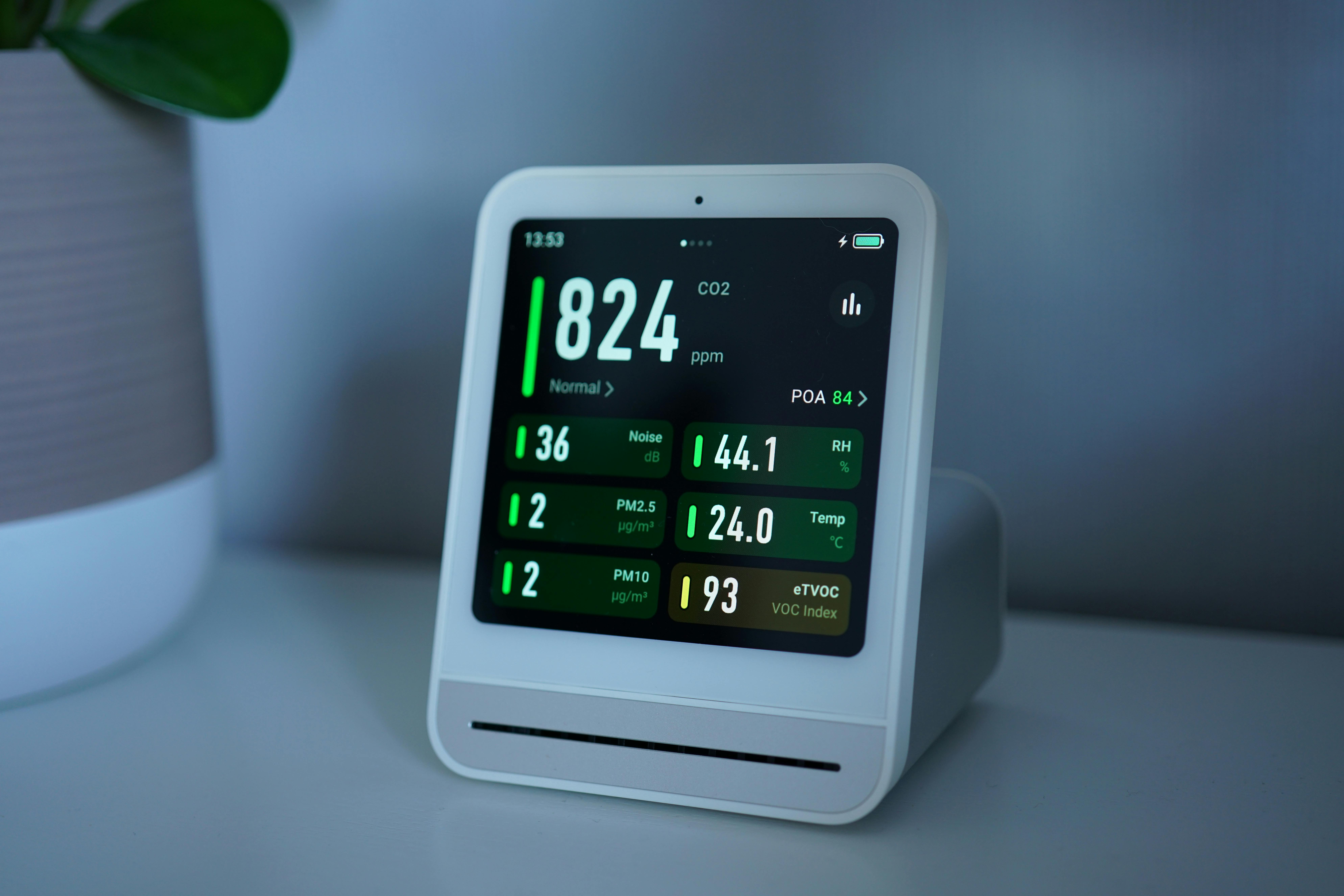
Have a working smoke detector and CO detector in the home.
It is suggested that CO detectors:
- be installed near every sleeping area of the home,
- be tested weekly,
- be cleaned monthly,
- have battery replaced yearly,
- be replaced every 7 years.
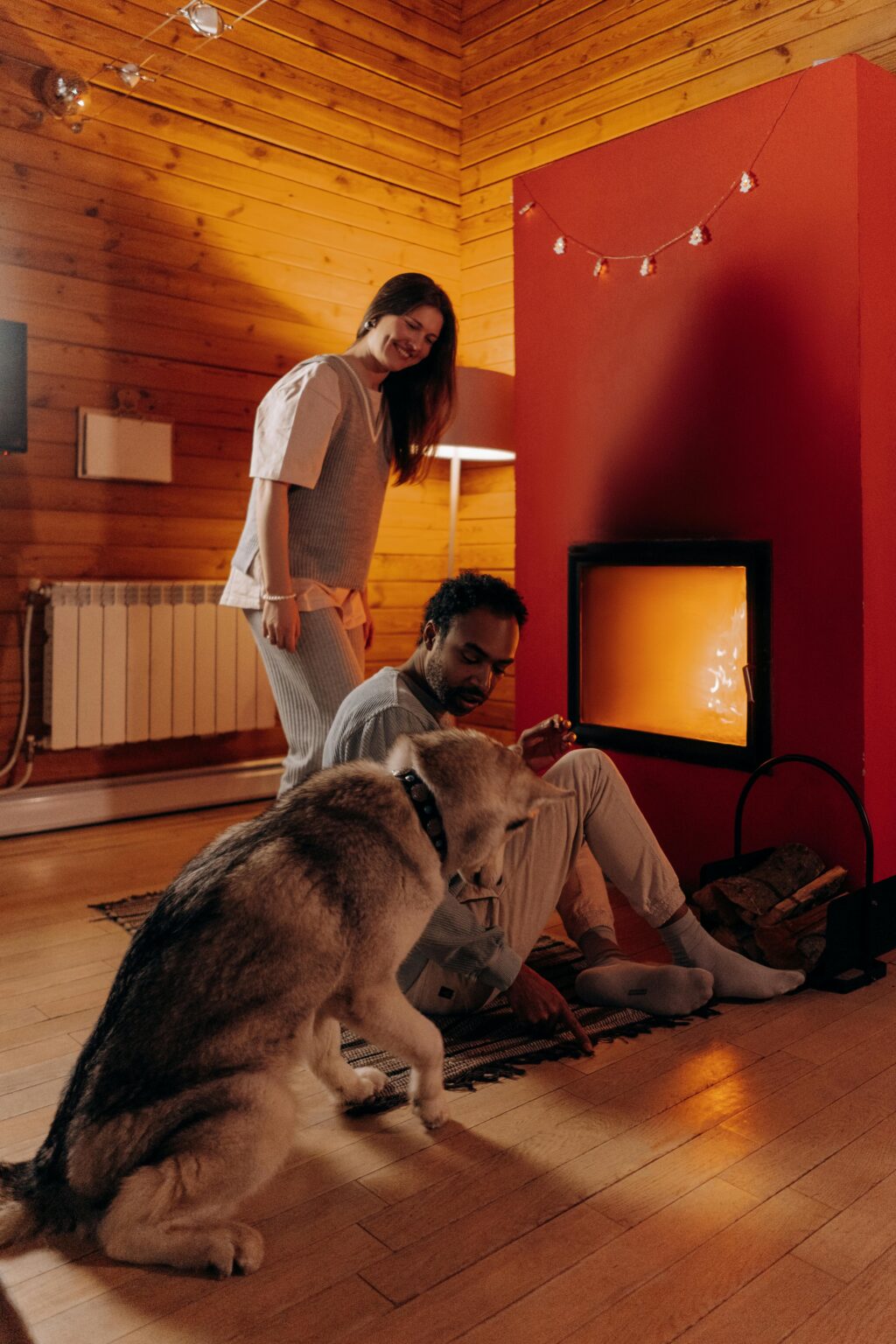
Have home heating systems checked by a trained professional each year. Make sure that furnaces and gas fireplaces are properly vented and that there are no obstructions to the exhaust pipe. Hot water heaters can also be sources of carbon monoxide. Make sure that they are installed according to manufacturer’s specifications and are properly vented.
Make sure that wood stoves and fireplace chimneys are cleaned and are in compliance with all state and local regulations for installation and proper ventilation of exhausts before they are put in use and are maintained without obstruction, including snow.

Never use a gas range or oven to heat a home.
Never use a charcoal grill, hibachi grill, lantern, or portable camping stove inside a home, tent or camper. Never use gas or kerosene heaters indoors that don’t have a vent to outside.
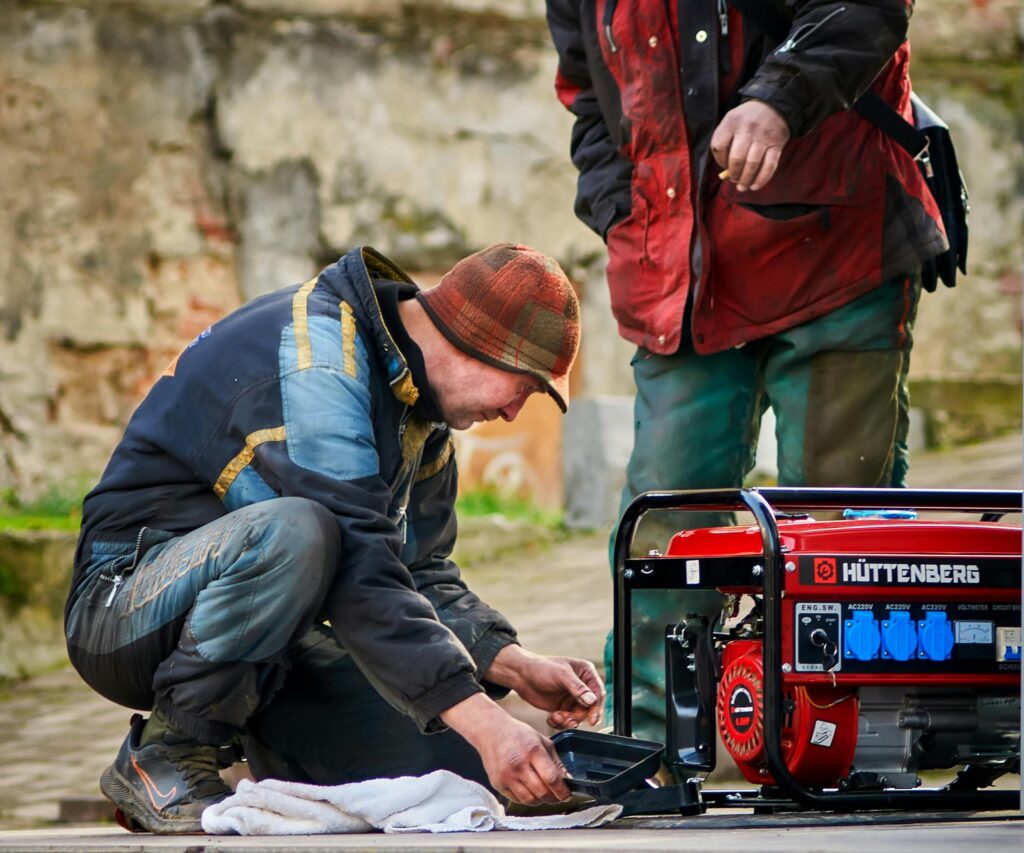
Never run a generator, pressure washer, or any gasoline-powered engine inside a basement, garage, or other enclosed structure (CO may build up even if the doors or windows are open). Keep vents and flues free of trash, especially if winds are high. Flying trash can block ventilation lines.
Run any motor vehicle, generator, pressure washer, or any gasoline-powered engine outside at least 15 feet from any open window, door, or vent where exhaust can drift into an enclosed area. Since wind may still blow CO into home, make sure to have CO detector in the home. Never leave the motor running in a car/vehicle parked in a closed or partially closed space, such as a garage.
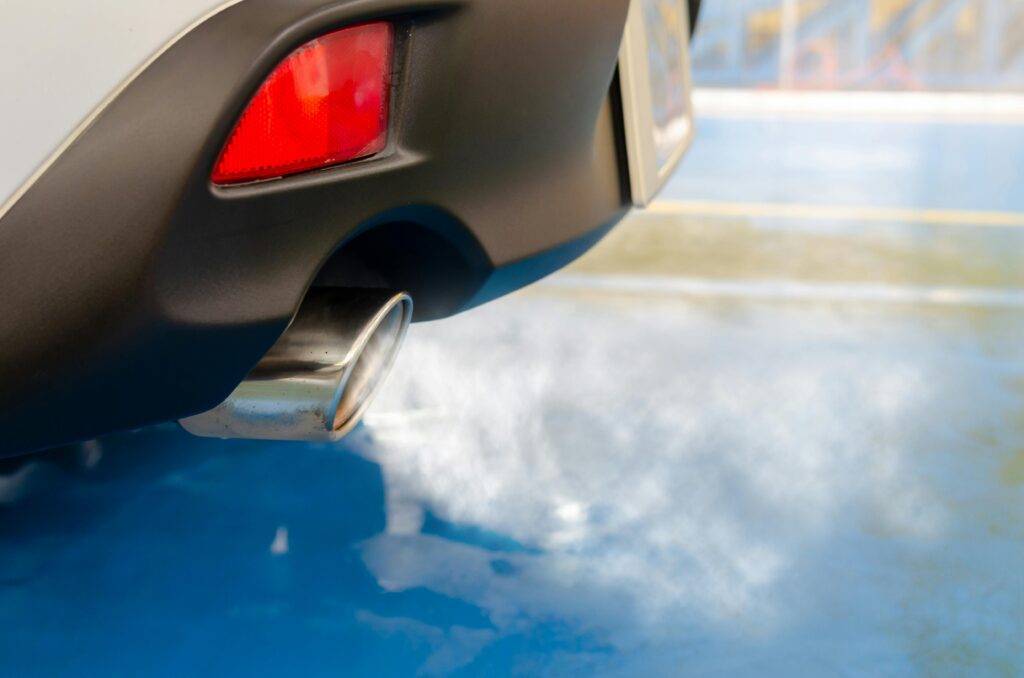
Make sure that car exhaust pipes are clear of snow or mud so fumes will not go back into the vehicle.
For power outages, it is safest to use permanently-installed generators instead of portable generators. The only advised method to connect a generator to house wiring is by having a qualified electrician install a power transfer switch. For further information on the safe use of generators during a power outage visit this link.

If conditions are too hot or too cold during a disaster or power outage, go stay with friends or at a community shelter. If carbon monoxide poisoning is suspected, take people affected to fresh air and call 911 for assistance. Make sure other people in the same area are safe. Go to emergency room for care.
Resource authored by Mark Miller, MD, MPH, University of California, San Francisco PEHSU, Manijeh Berenji, MD, MPH and Timur Durani, MD, MPH, University of California, San Francisco PEHSU, Robert J. Geller, MD, Southeast PEHSU, Kevin C. Osterhoudt, MD, MSCE, Mid-Atlantic Center for Children’s Health and the Environment, Larry K. Lowry, Ph.D., Southwest Center for Pediatric Environmental Health, Catherine J. Karr, M.D., PhD, Northwest PEHSU and the Carbon Monoxide Workgroup members.
This resource was supported by the Association of Occupational and Environmental Clinics (AOEC) and funded (in part) by the cooperative agreement award number 1U61TS000118-04 from the Agency for Toxic Substances and Disease Registry (ATSDR). Acknowledgement: The U.S. Environmental Protection Agency (EPA) supports the PEHSU by providing funds to ATSDR under Inter-Agency Agreement number DW-75-92301301-0. Neither EPA nor ATSDR endorse the purchase of any commercial products or services mentioned in PEHSU publications.