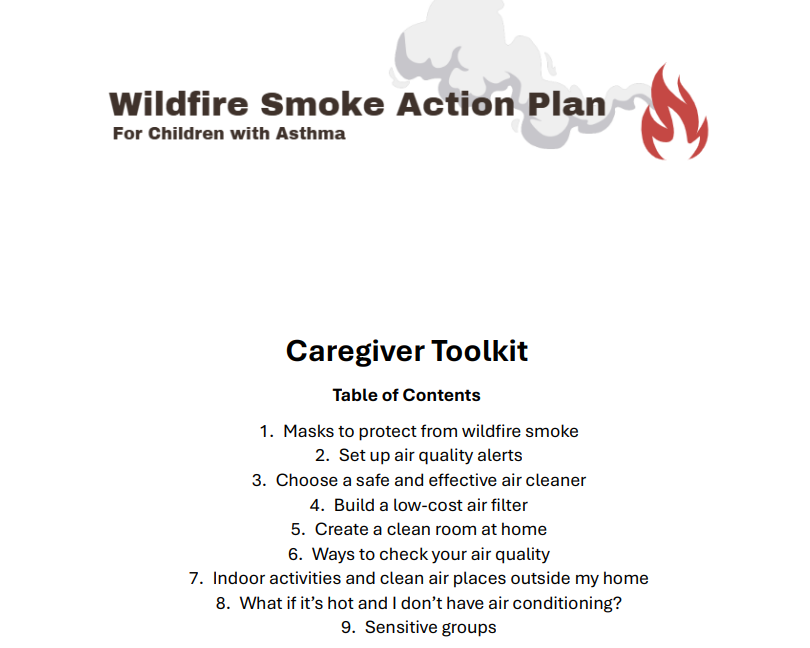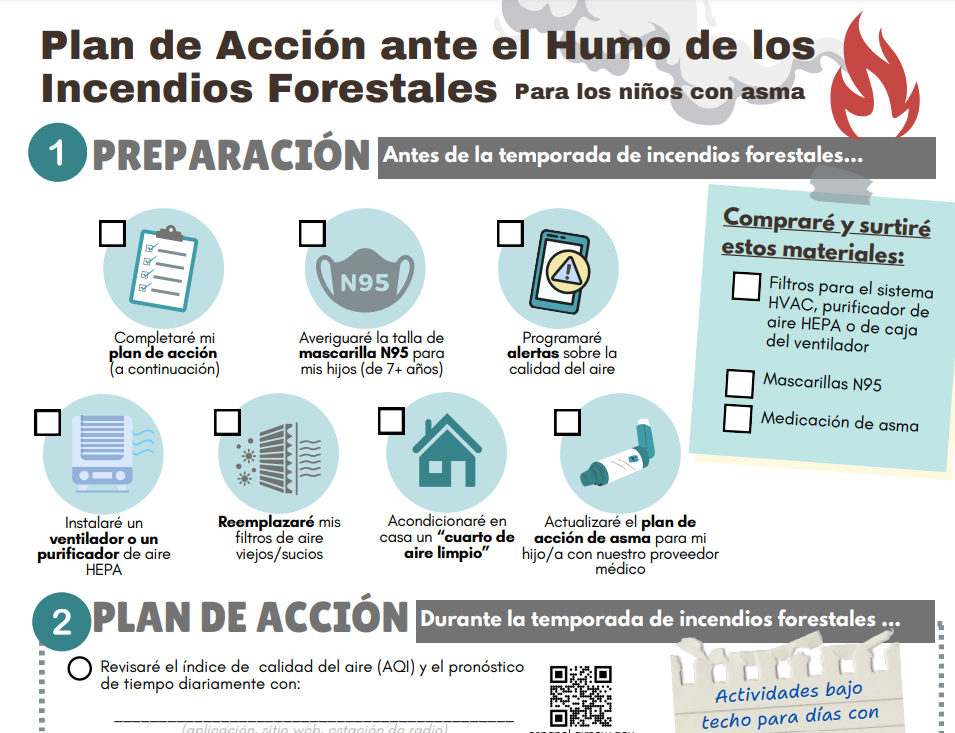
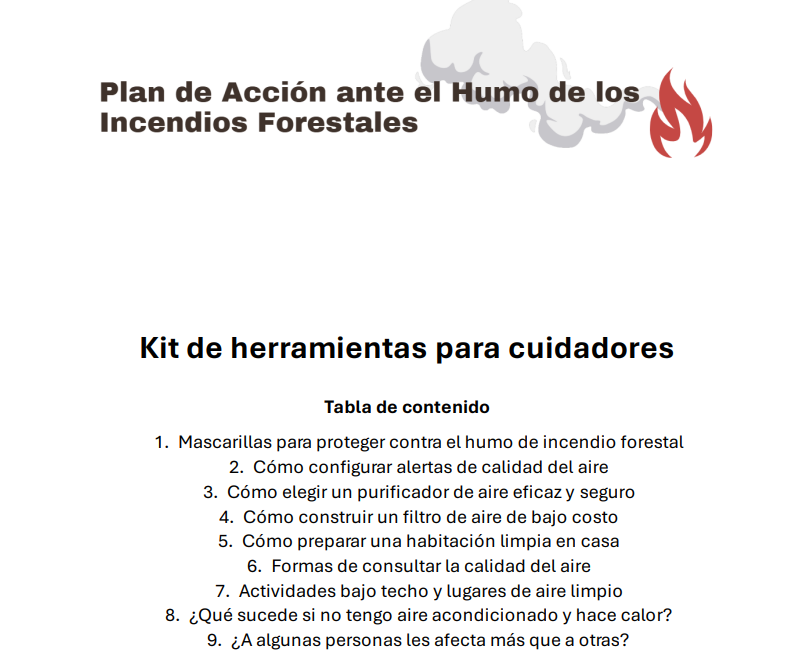
Plan de Acción Ante el Humo de los Incendios Forestales: Kit de Herramientas para Cuidadores
Region 10Region 9
Air Quality| Wildfires

MaryKate Cardon, DNP, CPNP-PC, brings a strong clinical foundation, a passion for prevention, and a holistic nursing perspective to her role as a Co-Director of the Northwest Pediatric Environmental Health Specialty Unit (PEHSU). Her professional journey spans pediatric intensive care, primary care training, and community-based environmental health work. It reflects a deep commitment to protecting children’s health not only in clinical settings, but also in the environments where they live, learn, and grow.
MaryKate grew up in Massachusetts and attended Boston College for nursing school, where she earned her undergraduate degree and met her husband. After graduation, the couple moved west, first to Salt Lake City, where MaryKate began her nursing career in the Pediatric Intensive Care Unit (PICU). When her husband was later accepted to medical school in Seattle, they relocated again, and MaryKate continued working in the PICU.
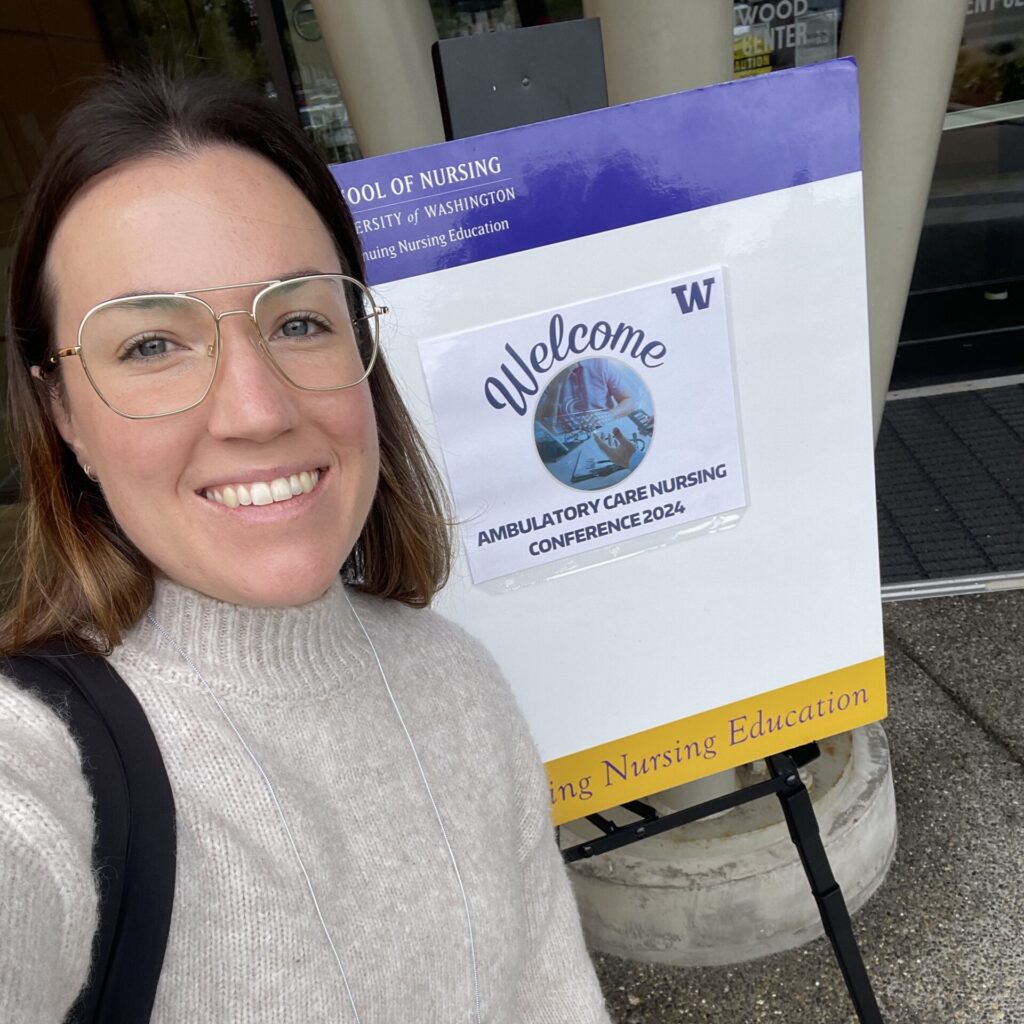
Dr. MaryKate Cardon at the Ambulatory Care Nursing Conference
While she valued the fast-paced and highly technical nature of critical care, MaryKate felt drawn to further her education and expand her impact on children’s health. She enrolled in the University of Washington’s Doctor of Nursing Practice program to become a Primary Care Pediatric Nurse Practitioner. During this time, she transitioned from the PICU to a pediatric clinic role, which offered a more predictable schedule while she balanced coursework and clinical training.
Early in her DNP program, MaryKate came across an email advertising a part-time Health Consultant position with the Northwest/Region 10 PEHSU. Although she had not previously been familiar with the PEHSU program, the focus on children’s environmental health immediately resonated with her: “The work felt like a natural complement to my clinical training and my interest in prevention and public health.”
She began working a few hours per week with PEHSU alongside her clinic role and graduate studies. As she approached graduation and learned that PEHSU’s co-director was retiring, MaryKate recognized an opportunity to take the next step in her career by joining the program full-time. She credits this winding path with ultimately leading her to work that aligns closely with both her professional goals and personal values.
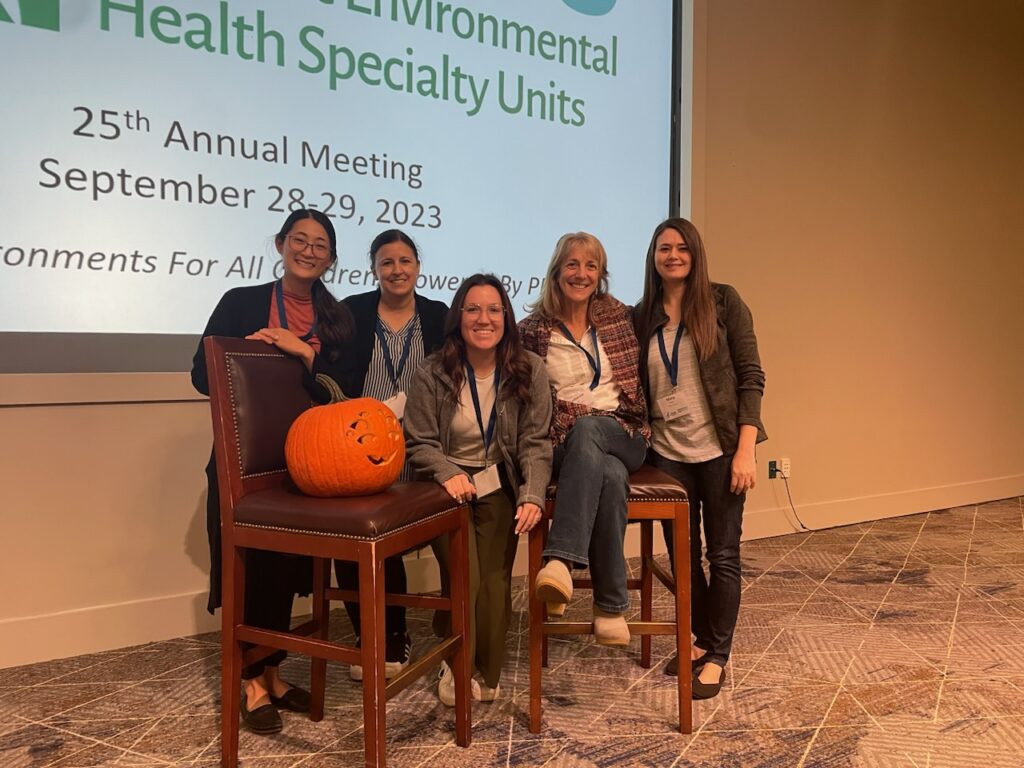
Dr. MaryKate Cardon with PEHSU colleagues in 2023
When asked about the most pressing environmental health challenges facing children, MaryKate points to extreme weather as one of the most significant and far-reaching threats. Rising temperatures increase the risk of heat-related illness and dehydration and can worsen chronic conditions such as asthma.
Extreme weather also contributes to poorer air quality, including increased wildfire smoke exposure and higher ozone levels, which can harm developing lungs and exacerbate respiratory disease. Extreme weather events, including floods, hurricanes, and droughts, pose risks of injury, displacement, food insecurity, and mental health stress, all of which affect children more than adults. In addition, climate-related changes can expand the spread of infectious diseases and threaten access to clean water and nutritious food, increasing the risk of malnutrition. Taken together, these factors create a complex set of physical, emotional, and long-term developmental risks for children.
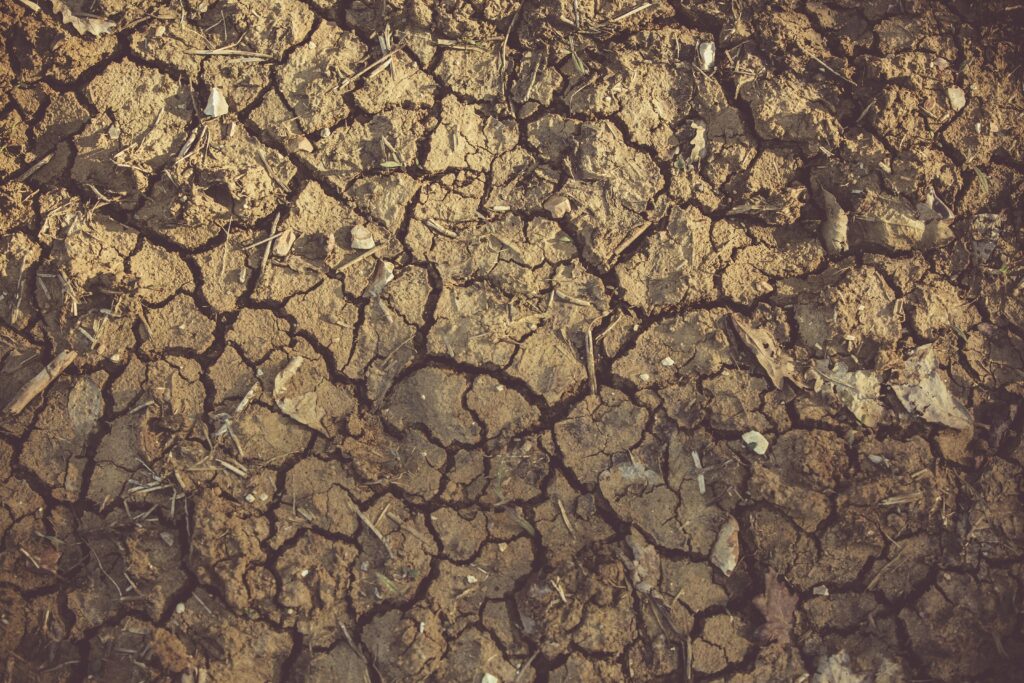
Soil affected by drought
Much of MaryKate’s current work at PEHSU focuses on childhood lead poisoning prevention, a core area of PEHSU’s mission. Through several state- and county-level grants, she provides lead education to healthcare providers using a variety of approaches and supports community-based child blood lead testing efforts.
She is also an ongoing contributor to the Childhood Cancer and the Environment Project (CCEP), where her role centers on training community health workers on environmental factors that may influence childhood cancer risk. Although oncology was not part of her original clinical background, MaryKate describes this work as an invaluable learning experience that has expanded her understanding of environmental health across the lifespan. An important aspect of this project has been building new relationships with community health worker organizations across the northwest, allowing PEHSU to reach audiences that the program has not historically engaged with but who play a critical role in connecting families to trusted health information and resources.
A typical day for MaryKate includes virtual meetings with PEHSU colleagues and external partners to coordinate projects, provide education, and manage the regional consultation service.
Two girls playing soccer outside
One of the most meaningful aspects of MaryKate’s role is the opportunity to bring a nursing perspective into children’s environmental health:
“I was drawn to nursing because of its holistic approach; caring for the whole person rather than focusing solely on a diagnosis,” she explains. “That philosophy aligns closely with environmental health and with the mission of the PEHSU program.”
MaryKate values the opportunity to expand children’s environmental health education among nursing professionals and to work alongside nurse mentors within the PEHSU network, contributing to a growing interdisciplinary approach to prevention and care.

For MaryKate, success means greater awareness of the environmental exposures that affect children’s health and broader access to education for healthcare providers, families, and communities. “Sharing children’s environmental health education helps equip people with the knowledge and confidence to recognize risks and advocate for healthier environments,” she says. She believes that prevention and education today can lead to meaningful improvements in health outcomes years down the line, even when those impacts are not immediately visible.
Despite the scale and urgency of today’s environmental health challenges, MaryKate remains hopeful. “Believing that our work contributes to long-term improvements in children’s health outcomes gives me hope,” she shares. “I’m inspired by the idea that prevention and education today can make a real difference in a child’s life years into the future.”
MaryKate emphasizes that there are many ways individuals and organizations can support children’s environmental health:
Thank you, MaryKate!
Author: Rebecca Barry, Children’s Environmental Health Network
View a recent publication from Dr. Cardon and Dr. Karr (fellow Co-Director of theNorthwest/Region 10 PEHSU):
View more resources from the Northwest/Region 10 PEHSU below.

MaryKate is Co-Director of the NW PEHSU. She completed her Doctor of Nursing Practice (DNP) degree, with a focus in Pediatric Primary Care, at the University of Washington, and her Bachelor of Science in Nursing (BSN) at Boston College. As a nurse she has worked in a various pediatric healthcare settings, ranging from primary to intensive care, and has been a member of the NW PEHSU health consultant team since 2020. Her work with NW PEHSU includes researching and responding to pediatric environmental health inquiries and finding ways to translate evidence into understandable, actionable material for parents, community members, and healthcare professionals. She also directs various NW PEHSU outreach and education projects. She is passionate about pediatric environmental health, and aims to integrate PEH topics into the curricula of healthcare professional programs in order to increase awareness and improve child health outcomes.
Dr. Cardon at work.
Content Reviewed by the PEHSU National Program Office and the Childhood Cancer & the Environment Program