

PEHSU Staff Spotlight: Dr. Marya Zlatnik
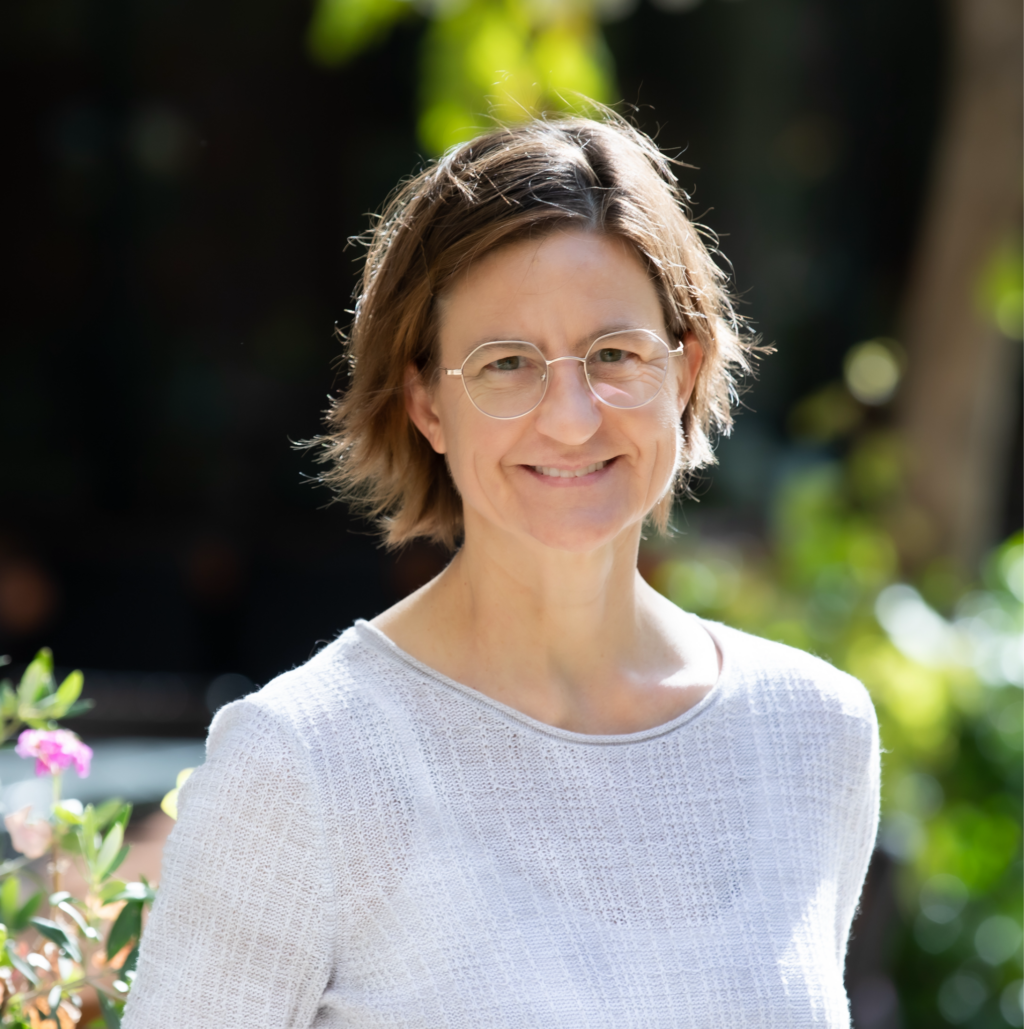
April, 2026 — San Francisco, Calif: Dr. Marya G. Zlatnik is a maternal-fetal medicine physician at the University of California, San Francisco (UCSF), where she cares for patients with high-risk pregnancies while advancing a growing field at the intersection of reproductive and environmental health. She has been with Western States PEHSU for over ten years.
Through her clinical care, teaching, and research, Dr. Zlatnik is helping to deepen understanding of how environmental exposures during pregnancy may shape long-term health outcomes, including childhood cancer risk.
A Path Shaped by Curiosity—and Personal Experience
Dr. Zlatnik’s interest in environmental health began during her undergraduate years studying biology in the Pacific Northwest. But it was later, during her medical career at UCSF, that this interest became a defining focus of her work. She was invited to collaborate with UCSF’s Program on Reproductive Health and the Environment (PRHE), serving as an obstetrics expert. Around that same time, she was pregnant—an experience that brought a new level of immediacy to the research. “As I was learning about environmental exposures, I was also thinking about what might impact my own child’s development,” she shared.
Through this work, she became increasingly aware of emerging evidence linking prenatal environmental exposures—such as pesticides and tobacco smoke—to increased risks of adverse outcomes, including childhood leukemia. The experience shaped her perspective and helped guide her toward a career that integrates environmental health into obstetric care.
“As I was learning about environmental exposures, I was also thinking about what might impact my own child’s development.”
-Dr. Zlatnik
Building a New Model: A Reproductive Environmental Health Clinic
At UCSF, Dr. Zlatnik has developed one of the first clinical models dedicated to reproductive environmental health: a specialized consultative clinic focused on environmental exposures during pregnancy. Operating as a half-day monthly video clinic, the model allows patients to be referred directly for expert guidance on environmental concerns—ranging from occupational exposures to lead, mercury, and community-level risks like air and water pollution.
The clinic builds on the structure of other specialty clinics within maternal-fetal medicine, creating a more systematic and sustainable approach than traditional one-off consultations. “It allows patients to be referred in an organized way, and it allows clinicians to really hone their expertise and stay up to date on the latest research,” she explained. Importantly, the model also helps address a long-standing challenge within the Pediatric Environmental Health Specialty Unit (PEHSU) network: sustainability. By integrating environmental health consultations into standard clinical workflows and reimbursement structures, the clinic offers a potential path forward for expanding this type of care.
This format also benefits the patient- as a referral, they now have a document in their medical record which can be referenced later. It also allows Dr. Zlatnik to share more information about environmental health with them through their records. For clinicians interested in exploring this format, Dr. Zlatnik recommends starting by sharing your interest in environmental health and maternal-fetal medicine with colleagues and schedulers.
Bridging Clinical Care, Education, and Prevention
In her day-to-day work, Dr. Zlatnik provides prenatal diagnosis, ultrasound, and management of complex pregnancies, while also teaching medical students, residents, and fellows. Through both formal education and clinical mentorship, she is helping to prepare the next generation of providers to recognize and address environmental risks. By integrating environmental health into prenatal care, Dr. Zlatnik is helping shift the focus upstream—toward prevention before disease begins, “Given that some preventive efforts will necessitate addressing prenatal exposures, it makes sense for OBs to be educated about childhood cancer and potential avenues for prevention.”

“Given that some preventive efforts will necessitate addressing prenatal exposures, it makes sense for OBs to be educated about childhood cancer and potential avenues for prevention.”
-Dr. Zlatnik
Prevention at Scale: The Role of Policy
While clinical care and patient education are essential, Dr. Zlatnik emphasizes that the greatest impact often comes from policy-level change. “I think reducing hazardous chemicals at their source is the most impactful way to protect children’s health,” she explained. “That’s how you reach the most people.”
She points out that many environmental risks—such as air and water pollution—cannot be addressed by individual behavior alone, highlighting the importance of systems-level solutions, “If we spent more time creating healthier environments we would have fewer sick people.”
Looking Ahead: A Growing Field—and a Reason for Hope
Dr. Zlatnik sees growing momentum in the field of children’s environmental health, particularly among younger healthcare professionals. “They’re much more environmentally aware and more willing to engage with the social and environmental drivers of health,” she said. “That gives me a lot of hope.”
She is also encouraged by increasing public attention to environmental exposures and their role in health—despite the challenges posed by misinformation. “My hope is to educate both trainees and patients about environmental risk factors,” she said, “in hopes of ultimately figuring out how to prevent childhood cancer.” For Dr. Zlatnik, the combination of clinical care, research, education, and policy offers a powerful pathway forward.
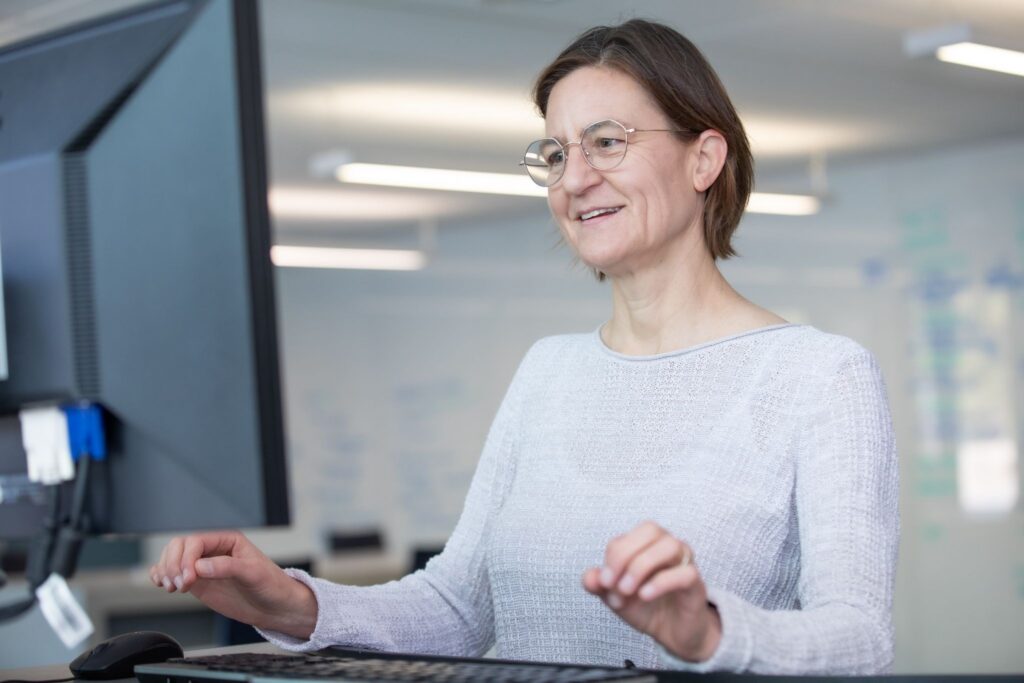
“My hope is to educate both trainees and patients about environmental risk factors, in hopes of ultimately figuring out how to prevent childhood cancer.”
-Dr. Zlatnik
For Dr. Zlatnik, working in children’s environmental health is both meaningful and collaborative, “It’s rewarding to feel like the work you’re doing is making a difference,” she shared. “And the people in this field are just incredibly thoughtful, generous, and committed.” Through her leadership, innovation, and dedication, Dr. Zlatnik is helping to build a future where healthier environments lead to healthier beginnings—and better outcomes for children everywhere.
Author: Hannah Wilkerson, Children’s Environmental Health Network
Learn More From Dr. Marya Zlatnik
Recent Publication:
Exploring applications of non-targeted analysis in the characterization of the prenatal exposome.
Interview in the Washington Post:
Content Reviewed by the PEHSU National Program Office