
Guidance for Healthcare Providers
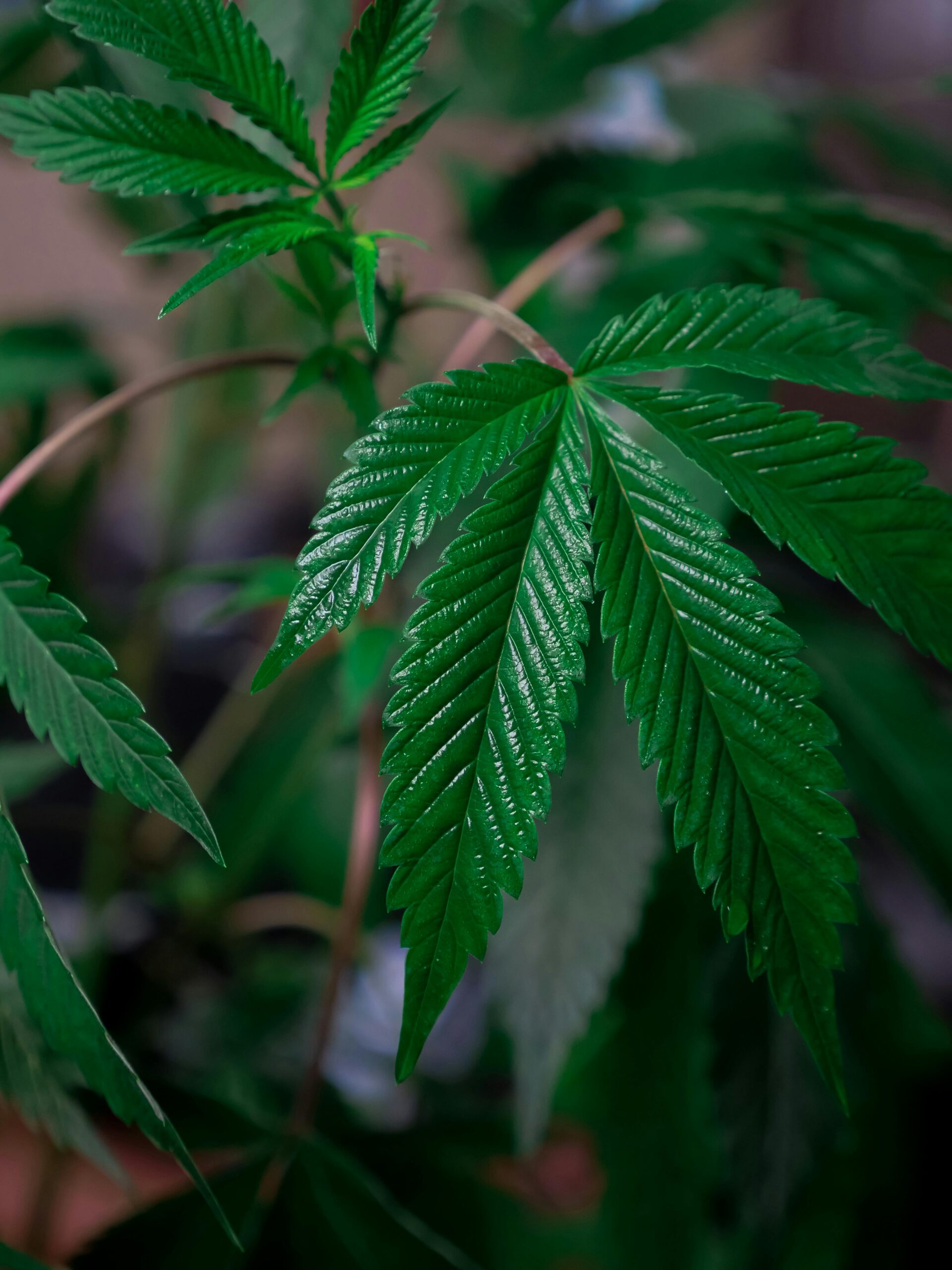
What is Marijuana? There are many species of marijuana, including Cannabis sativa, indica and ruderalis. Marijuana contains many different cannabinoids, including cannabidiol (CBD) and delta-9-tetrahydrocannabinol (THC). THC is the most psychoactive cannabinoid.
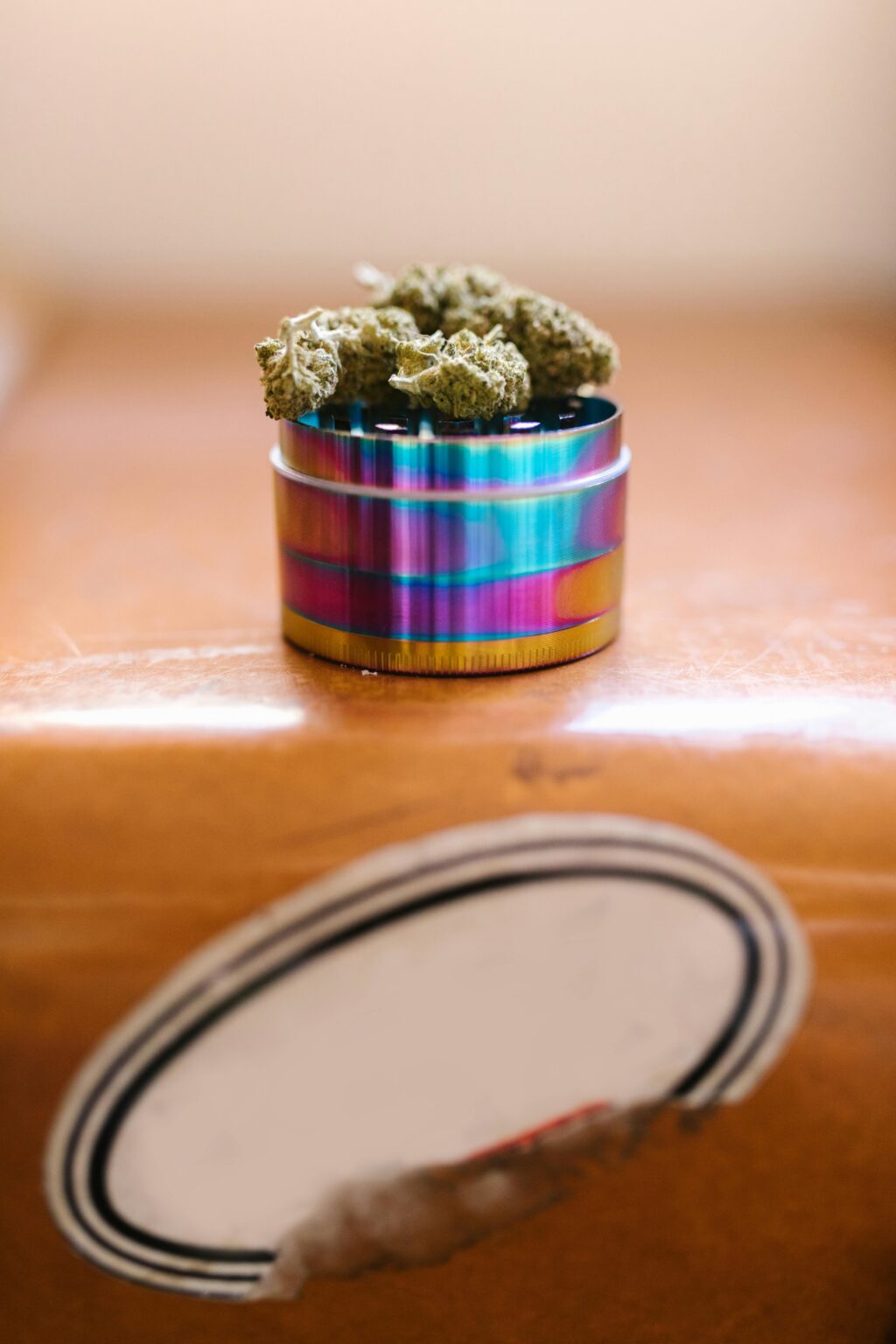
Products and Methods of Use: Marijuana is available in various forms: traditional dried plant matter, dried plant resin (hashish), concentrated oils and other products (shatters, budders, waxes). Edible marijuana products, like baked goods and candies are infused with THC. Marijuana plants can contain a range of 6-30% THC and concentrated products can be much higher in potency (including > 50%). Marijuana can be smoked, vaporized, ingested and applied topically.
Content and Testing: Many states that have allowed marijuana for medical and retail use regulate testing for both content and contaminants. However, without FDA approval testing and results can be variable. Therefore, the FDA has released warnings pertaining to test results and false claims on several cannabidiol products.

Epidemiology
- Over 4% of women surveyed admitted to drug use in pregnancy and marijuana was the most commonly used substance. Almost 1,000 exposure calls to US poison centers occurred between 2005 and 2011 for pediatric marijuana exposures in children 9 years and younger (2016 National Survey on Drug Use and Health (NSDUH).
- Marijuana use by adolescents declined between late 1990s until the mid-to-late 2000s, but has increased since then (2017 Monitoring the Future survey).
- In 2017, 5.5% of 8th graders, 15.7% of 10th graders, and 22.9% of 12th graders used marijuana in the past month, an increase from 6%, 1%, and 19%, respectively, in 2008 (2017 Monitoring the Future survey).
- Daily use remained relatively constant at approximately 3% (2017 Monitoring the Future survey).
- Perceived risk from once-monthly use has decreased from 55% in 2005, to 44.8% in 2011 (Substance Abuse and Mental Health Services Administration (SAMHSA).
Clinical Symptoms
Absorption of THC is rapid after inhalation and peak concentrations of cannabinoids and psychoactive symptoms occurs within minutes. After ingestion, however, absorption can be unpredictable because cannabinoids are unstable at gastric pH and also undergo first-pass metabolism (CYP 2C9, 3A4). Onset of symptoms can vary between 1-3 hours, and concentrations can peak between 2-4 hours.
The clinical effects of pediatric exposure to marijuana vary depending on the amount ingested and size of the child. Most reported pediatric exposures are from ingestion. Edible products pose a significant risk as they contain high amounts of THC and are attractive and palatable to children. Passive smoke inhalation can produce symptoms in adults, but has not been studied or reported in children. There is evidence of passive smoke exposure leading to detectable cannabinoids in the urine in children.
- Mild exposures can results in mild sleepiness, excessive happiness and laughter, and ataxia.
- Significant exposures can lead to increased muscle tone (or hyperkinetic activity), obtundation/coma, and apnea/bradypnea. Higher potency products can lead to anxiety, psychosis, and agitation in adolescence. The clinical effects in pediatric population tend to last longer than adults, with some cases lasting 24-36 hours.
Laboratory Testing
Most standard hospital urine drug screens (UDS) are enzyme immunoassays for THC metabolites. Urine drug screens for marijuana can be positive for several days after acute use weeks after chronic use. A positive UDS does not correlate to symptoms or the level of intoxication but it does reveal systemic exposure. False positives are uncommon but confirmatory testing can be done with high-performance liquid chromatography with mass spectrometry (HPLC-MS) screen. Even though Marinol and Sativex, FDA-approved synthetic cannabinoid THC pharmaceutical products result in positive UDS other cannabinoids, such as, CBD and street synthetic THC may not results in a positive UDS. Positive UDS after passive inhalation of marijuana smoke is very rare but can occur after excessive smoking in small, confined spaces for prolonged periods. Routine lab work and radiography is typically unremarkable.
Treatment
There is no specific antidote for marijuana intoxication. Treatment is symptomatic and supportive care. Young patients are at risk for falls, so proper fall precautions should be taken. Sedation and/or antipsychotics are indicated in adolescents who experience significant psychosis or anxiety.
Why should we be concerned about adolescent use?
- The adolescent population is vulnerable in regards to drug and marijuana use. Previous studies have associated adolescent marijuana use with lower IQ scores, a greater likelihood to have impaired cognitive and academic abilities even after 28 days of abstinence, and a decreased likelihood of graduating high school and attaining a college degrees. They are also at higher risk for having psychotic symptoms and/or psychiatric disorders, like schizophrenia and are more likely to develop an addiction to other illicit drugs.
What are the concerns of maternal use during pregnancy and breastfeeding?

Recent studies have demonstrated THC can be found in the breastmilk, even days after last use.
Large cohort studies have reported children with prenatal exposure to marijuana can have decreased IQ scores, cognitive function and academic ability, attention deficits, and decreased growth.
Research has also shown an association of low birth weight after controlling for concurrent tobacco use.
Strategies for Prevention
Prevention continues to play a vital role in pediatric poisoning and toxicology. Several states have implemented regulations to lessen the impact of legalization. Regulations include, dose restrictions, child-resistant packaging requirements, warning labels, sanctions on marketing campaigns and/or attractive labeling, and restrictions on edible products.
Further Prevention Strategies for Parents and Caregivers:

Have conversations with other caregivers for your children: family members, babysitters, nannies about the dangers of having marijuana products accessible to children. Ask if there are marijuana products in the home and ensure they are properly stored.
Keep marijuana and marijuana-infused products out of the reach of children and/or in a separate locked container.
Do not store marijuana-infused products with regular non-infused food products.
Have conversations with your children about the differences between marijuana-infused and regular non-infused food products, similar to warning children about alcohol in the home.
How can we prevent adolescent marijuana use?
- From a healthcare perspective, drug use screening, including marijuana used for both recreational and medical purposes, is important and primary care visits and/or behavioral health evaluations present valuable opportunities for screening. The Substance Abuse and Mental Health Services Administration (SAMHSA) provides resources on prevention programs addressing both youth marijuana use and evidence-based prevention and treatment strategies, including their At-A-Glance Resource Tool, Strategies and Interventions to Prevent Youth Marijuana Use.
- As parents, recognize the value of an open dialogue about drug abuse and become educated about the associated risks. Many experts stress the importance of creating an environment that encourages communication. Parents who use marijuana should be honest, but should be aware of the impact that their use and behavior have on children. There are several informative tools available to parents provided by Colorado.gov, Children’s Hospital Colorado, Seattle Children’s Hospital, National Institute of Drug Abuse, and SAMHSA, to name a few.
- Healthcare providers should maintain confidentiality when screening adolescents for marijuana use. If concerns exist for significant use or addiction, multiple screening tools are available to assess the impact, such as the CRAFFT behavioral screening tool. Healthcare providers should consider referral to addiction specialists or further treatment and evaluation if concerns exist on its impact on physical or mental health, or on social interactions.
What are ways we can prevent mothers from using marijuana during pregnancy and post-delivery?

Regular healthcare visits during pregnancy and postpartum provides great opportunities for OB/GYN physicians to discuss drug use. Focusing on the risks and potential harms to the fetus and newborn, emphasizing the impact on the future health, well-being, and cognitive development of the child. The American College of Obstetricians and Gynecologists discourages physician prescribing of marijuana, use of marijuana during pregnancy and postpartum in breastfeeding mothers.
*References
- Gloss D, Vickrey B. Cannabinoids for epilepsy. Cochrane Database System Rev. 2012;6.
- Wang GS, Roosevelt G, Heard K. Pediatric marijuana exposures in a medical marijuana state. JAMA Pediatr. 2013 Jul;167(7):630-3.
- Devinsky O, Cross JH, Laux L, Marsh E, Miller I. Trial of cannabidiol for drug-resistant seizrues in the Dravet Syndrome. NEJM. 2017;376:2011-2020.
- FDA warning on CBD. https://www.fda.gov/newsevents/publichealthfocus/ucm484109.htm. Last accessed Aug 28, 2018.
- Busse F, Omidi L, Timper K, Leichtle A, Windgassen M, Kluge E, Stumvoll M. Lead poisoning due to adulterated marijuana. N Engl J Med. 2008;358(15):1641-2.
- Horth RZ, Crouch B, Horowitz BZ, Prebish A, Slawson M. Notes from the Field: Acute Poisonings from a Synthetic Cannabinoid Sold as Cannabidiol – Utah, 2017-2018. MMWR Morb Mortal Wkly Rep. 2018;67(20):587-588.
- National Survey on Drug Use and Health. https://www.samhsa.gov/data/sites/default/files/NSDUH-DetTabs-2016/NSDUH-DetTabs-2016.pdf
- Wang GS, Roosevelt G, Le Lait MC, Martinez EM, Bucher-Bartelson B, Bronstein AC, Heard K. Association of unintentional pediatric exposures with decriminalization of marijuana in the United States. Ann Emerg Med. 2014 Jun;63(6):684-9.
- The Monitoring the Future Survey. http://monitoringthefuture.org/pubs/monographs/mtfoverview2017.pdf
- http:/www.samhsa.gov/data/sites/default/files/HSDUHresults/PDFWHTML2013/Web/NSDUHresults2013.pdf
- Grotenhermen F. Pharmacokinetics and pharmacodynamics of cannabinoids. ClinPharmacokinet. 2003;42(4):327-60. Review.
- Wilson KM, Torok MR, Wei B, Wang L, Robinson M, et al. Detecting biomarkers of secondhand marijuana smoke in young children. Pediatr Res. 2017;81(4):589-592.
- Fried PA, Watkinson B, Gray R. Fried PA, Watkinson B, Gray R. Neurocognitive consequences of marihuana–a comparison with pre-drug performance. Neurotoxicol Teratol. 2005 Mar-Apr;27(2):231-9.
- Fergusson DM, Horwood LJ, Beautrais AL. Cannabis and educational achievement. Addiction. 2003 Dec;98(12):1681-92.
- Horwood LJ, Fergusson DM, Hayatbakhsh MR, Najman JM, Coffey C, Patton GC, Silins E, Hutchinson DM. Cannabis use and educational achievement: findings from three Australasian cohort studies. Drug Alcohol Depend. 2010 Aug 1;110(3):247-53.
- Hooper SR1, Woolley D, De Bellis MD. Intellectual, neurocognitive, and academic achievement in abstinent adolescents with cannabis use disorder. Psychopharmacology (Berl). 2014 Apr;231(8):1467-77.
- Medina KL, Hanson KL, Schweinsburg AD, Cohen-Zion M, Nagel BJ, Tapert SF. Neuropsychological functioning in adolescent marijuana users: subtle deficits detectable after a month of abstinence. J Int Neuropsychol Soc. 2007 Sep;13(5):807-20.
- Pope HG Jr, Gruber AJ, Hudson JI, Cohane G, Huestis MA, Yurgelun-Todd D. Early-onset cannabis use and cognitive deficits: what is the nature of the association? Drug Alcohol Depend. 2003 Apr 1;69(3):303-10.
- Arseneault L1, Cannon M, Witton J, Murray RM. Causal association between cannabis and psychosis: examination of the evidence. Br J Psychiatry. 2004 Feb;184:110-7.
- Fergusson DM, Poulton R, Smith PF, Boden JM. Cannabis and psychosis. BMJ. 2006 Jan 21;332(7534):172-5.
- Fergusson DM, Boden JM, Horwood LJ. Cannabis use and other illicit drug use: testing the cannabis gateway hypothesis. Addiction. 2006 Apr;101(4):556-69.
- Swift W, Coffey C, Degenhardt L, Carlin JB, Romaniuk H, Patton GC. Cannabis and progression to other substance use in young adults: findings from a 13-year prospective population-based study. J Epidemiol Community Health. 2012 Jul;66(7):e26.
- Perez-Reyes M, Wall ME. Presence of delta9-tetrahydrocannabinol in human milk. N Engl J Med. 1982;307(13):819-20.
- Bertrand KA, Hanan NJ, Honerkamp-Smith G, Best BM, Chambers CD. Marijuana use by breastfeeding mothers and cannabinoid concentrations in breast milk. Pediatrics. 2018 [epub ahead of print]
- Day NL, Richardson GA, Goldschmidt L, Robles N, Taylor PM, Stoffer DS, Cornelius MD, Geva D. Effect of prenatal marijuana exposure on the cognitive development of offspring at age three. Neurotoxicol Teratol. 1994 Mar-Apr;16(2):169-75.
- El Marroun H, Hudziak JJ, Tiemeier H, Creemers H, Steegers EA, Jaddoe VW, Hofman A, Verhulst FC, van den Brink W, Huizink AC. Intrauterine cannabis exposure leads to more aggressive behavior and attention problems in 18-month-old girls. Drug Alcohol Depend. 2011 Nov 1;118(2-3):470-4.
- Fried PA, Watkinson B, Gray R. Growth from birth to early adolescence in offspring prenatally exposed to cigarettes and marijuana. Neurotoxicol Teratol. 1999 Sep-Oct;21(5):513-25.
- Fried PA, Watkinson B, Gray R. Differential effects on cognitive functioning in 13- to 16-year-olds prenatally exposed to cigarettes and marihuana. Neurotoxicol Teratol. 2003 Jul-Aug;25(4):427-36.
- Effects of prenatal marijuana exposure on child behavior problems at age 10. Goldschmidt L, Day NL, Richardson GA. Neurotoxicol Teratol. 2000 May-Jun;22(3):325-36.
- Noland JS, Singer LT, Short EJ, Minnes S, Arendt RE, Kirchner HL, Bearer C. Prenatal drug exposure and selective attention in preschoolers. Neurotoxicol Teratol. 2005 May-Jun;27(3):429-38.
- Smith A, Fried P, Hogan M, Cameron I. The effects of prenatal and current marijuana exposure on response inhibition: a functional magnetic resonance imaging study.Brain Cogn. 2004 Mar;54(2):147-9.
- Willford JA, Chandler LS, Goldschmidt L, Day NL. Effects of prenatal tobacco, alcohol and marijuana exposure on processing speed, visual-motor coordination, and interhemispheric transfer. Neurotoxicol Teratol. 2010 Nov-Dec;32(6):580-8.
- Crume TL, Juhl AL, Brooks-Russell A, Hall KE, Wymore E, Borgelt LM. Cannabus use during the perinatal period in a state with legalized recreational and medical marijuana: the association between maternal characteristics, breastfeeding patterns, and neonatal outcomes. J Peditr. 2018;197:90-96.
- Colorado Department of Public Health and Environment. Retail Marijuana Public Health Advisory Committee. https://www.colorado.gov/pacific/cdphe/retail-marijuana-public-healthadvisory-committee Last accessed Aug 29, 2018
- WAC 314-55-105. http://apps.leg.wa.gov/wac/default.aspx?cite=314-55-105 Last accessed Aug 29, 2018
- Oregon Marijuana Packaging and Labeling. http://www.oregon.gov/olcc/marijuana/Documents/PackagingandLabeling.pdf Last accessed Aug 29, 2018.
- Colorado Department of Public Health and Environment. Marijuana. https://www.colorado.gov/pacific/cdphe/categories/services-and-information/marijuana. Last
- accessed Aug 29, 2018
- Children’s Hospital Colorado. https://www.childrenscolorado.org/conditions-andadvice/marijuana-what-parents-need-to-know/. Last accessed Aug 29, 2018.
- Seattle Children’s. http://pulse.seattlechildrens.org/keep-kids-safe-legalization-marijuana/. Last accessed Aug 29, 2018.
- National Institute on Drug Abuse. https://www.drugabuse.gov/publications/principlessubstance-abuse-prevention-early-childhood/table-contents. Last accessed Aug 28, 2018.
- SAMHSA. https://www.samhsa.gov/atod/marijuana. Last accessed Aug 28, 2018
ACKNOWLEDGEMENT: This publication was supported by the cooperative agreement award number 1U61TS000118-05 from the Agency for Toxic Substances and Disease Registry (ATSDR). The U.S. Environmental Protection Agency (EPA) supports the Pediatric Environmental Health Specialty Unit (PEHSU) by providing funds to ATSDR under Inter-Agency Agreement number DW-75-92301301-0.
DISCLAIMER: Contents of this commentary are the responsibility of the authors and do not necessarily represent the official views of the Agency for Toxic Substances and Disease Registry (ATSDR). Neither EPA nor ATSDR endorses the purchase of any commercial products or services mentioned in PEHSU publications.
Content Authored by PEHSU.