

Volume 55, Issue 9 of Current Problems in Pediatric & Adolescent Health Care is entitled “Childhood Cancer and the Environment: Activating Clinicians for Prevention” with Guest Editor, Dr. Mark Miller.
The original link to the foreward below by Dr. Miller can be found here. Find links to each of the subsequent articles below beneath their titles.
Moving Toward Prevention of Childhood Cancers
Mark D. Miller, MD, MPH
Western States Pediatric Environmental Health Specialty Unit, Division of Occupational, Environmental and Climate Medicine, University of California San Francisco


My colleagues at the Center for Integrative Research on Childhood Leukemia and the Environment and the Western States Pediatric Environmental Health Specialty Unit and I had the pleasure of producing an issue of this journal on Childhood Leukemia and Primary Prevention in 2016.* At that time, I was unable to find in any scientific, government, or non-governmental organization publications where childhood cancer and prevention were used in the same sentence. The conventional wisdom was that, in other than a small percentage of cases attributable to genetic syndromes, the causes of childhood cancer were unknown.
We pointed to the numerous studies on exposures related to changes in risk (both increases and decreases in risk) and advocated for both increased research on factors that may allow interventions to prevent the steadily increasing incidence of childhood cancers and for primary prevention by way of altering exposures to the already identified key risk factors supported by substantial evidence. Since all of the key risk factors were already identified as having well established evidence for risks (or reductions in risk in some cases) related to other health outcomes, enhancing current efforts to protect children’s health by way of modifiable behavior or regulations seems a slam dunk.
With this issue, we aim to present a portion of the substantial developments in this field during the last decade. The science supporting the impacts of environmental exposures on childhood cancer incidence has strengthened and broadened to include more information about the risks related to a variety of childhood cancers beyond leukemias. The paper in this issue on the relationship of folate, folic acid, and childhood cancer explores one of the best studied factors consistently associated with a protective effect for childhood cancers, particularly childhood leukemia.* We all are familiar with the concept that adequate periconceptional folate availability is particularly critical for fetal development (e.g., neural tube defects – NTDs) and was the reason underlying the decision to fortify grains with folic acid in the U.S. and elsewhere during the 1990s. Many clinicians may be less familiar that substantial evidence indicates adequate periconceptional folic acid intake protects against childhood acute lymphoblastic leukemia (ALL) and other cancers. Folate metabolism is especially active during cellular proliferation and tissue differentiation such as in pregnancy and early childhood and may underlie the findings that the periconceptional period is a window of opportunity to provide adequate supplementation to reduce risks for both NTDs and childhood cancer. As our authors point out, “Educating and identifying women who are at risk of pregnancy, emphasizing that folate may not only lower the risk of neural tube defects but also reduce the risk of certain childhood cancers, may increase adherence to existing supplementation recommendations.”
“Many clinicians may be less familiar that substantial evidence indicates adequate periconceptional folic acid intake protects against childhood acute lymphoblastic leukemia (ALL) and other cancers.”
-Dr. Mark Miller

Recently, there have been a number of studies examining the impacts of environmental exposures from the prenatal period through to survivorship on morbidity and mortality in survivors of childhood cancer. In Impact of the environment on childhood cancer clinical outcomes, Dr. Metayer reviews the current state of the literature.* For example, particulate matter exposure has been associated with both increases in respiratory hospitalizations and increased mortality at 5 and 10 years in survivors. This has a particular salience to pediatric oncology practice as it can lead to concrete actions for clinical care that may improve outcomes. Knowledge of a child’s exposure to various sources of air pollutants should be integrated into the treatment plan of childhood cancers. Also in this issue we have included the first ever systematic review of the impact of oil and gas development on the incidence of childhood cancers conducted by Stewart and colleagues.*
*References
- T.P. Whitehead et al. Childhood leukemia and primary prevention. Curr Probl Pediatr Adolesc Health Care (2016 Oct).
- Y. Xiang et al. The relationship of folate, folic acid, and childhood cancer. Curr Probl Pediatr Adolesc Health Care (2025).
- C. Metayer. Impact of the environment on childhood cancer clinical outcomes. Curr Probl Pediatr Adolesc Health Care (2025).
- E.C. Stewart et al. A Systematic Review of Residential Proximity to Upstream Oil and Gas Development and Childhood, Adolescent and Young Adult Cancer Risk. Curr Probl Pediatr Adolesc Health Care (2025).
- K. Soule et al. Impact of infection and microbial exposures on pediatric cancer. Curr Probl Pediatr Adolesc Health Care (2025).
There are more references available in the full text version of this article.
Read More
View more of this issue of Childhood Cancer and the Environment: Activating Clinicians for Prevention below. You’ll find the article titles, authors, academic affiliations, abstracts and links to full articles.
Impact of the environment on childhood cancer clinical outcomes
Catherine Metayer, MD, PhD
View Abstract
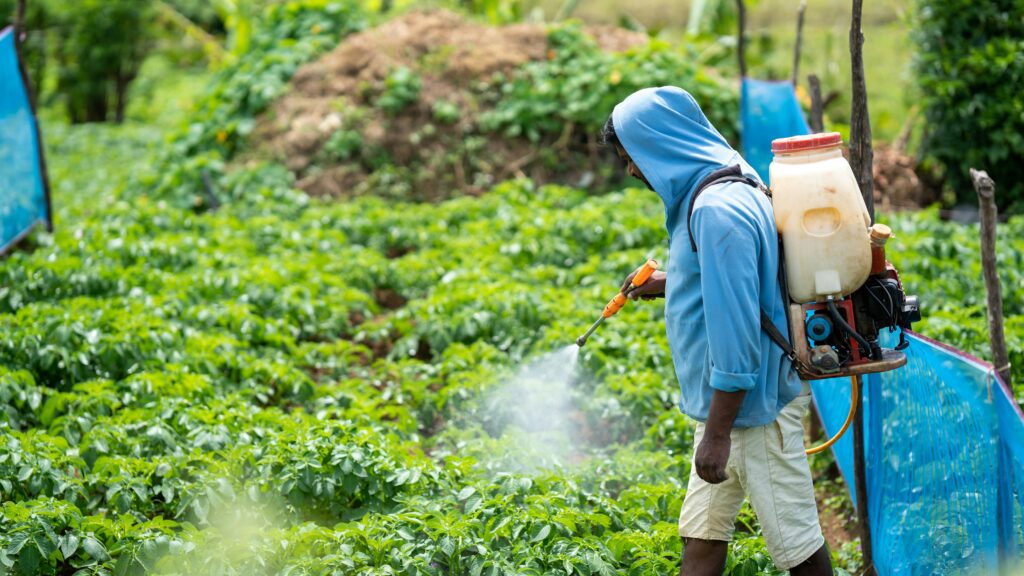
Abstract: Incidence rates of several childhood cancers have increased in the past decades in high- and middle-income countries, and epidemiologic studies worldwide have documented the important role of several environmental factors contributing to these trends, such as sources of air pollution and pesticides. What is less known is whether these chemicals also affect clinical outcomes in childhood cancer patients and survivors, via biological pathways involving DNA damage, epigenetic changes, oxidative stress, pro-inflammatory and immune responses which may operate across the cancer continuum from etiology, response to treatment, survival and survivorship. Despite overall improvement in cancer cure rates, children of color and underserved backgrounds still experience poorer prognosis than their white and affluent counterparts. While social determinants largely explain these observations, the independent effect of chemical exposures is not well-characterized. Drawing from adult studies, we present emerging evidence from epidemiologic childhood cancer studies on the impact of pre- and post-natal exposures to ubiquitous chemicals such as tobacco smoke, traffic-and industry-related air pollution, and pesticides on the health of childhood cancer patients and survivors. Data presented in this review provide the foundation to consider integrating environmental health into the treatment plan for childhood cancer patients and survivors, alongside other known therapeutic and modifiable prognostic factors
View the full article here.
Integrating extreme weather and air pollution risk reduction into pediatric cancer care
Hannah M. Thompson MD, MPH, Omar Shakeel MD, Mark Miller MD MPH, Perry Sheffield MD MPH
View Abstract
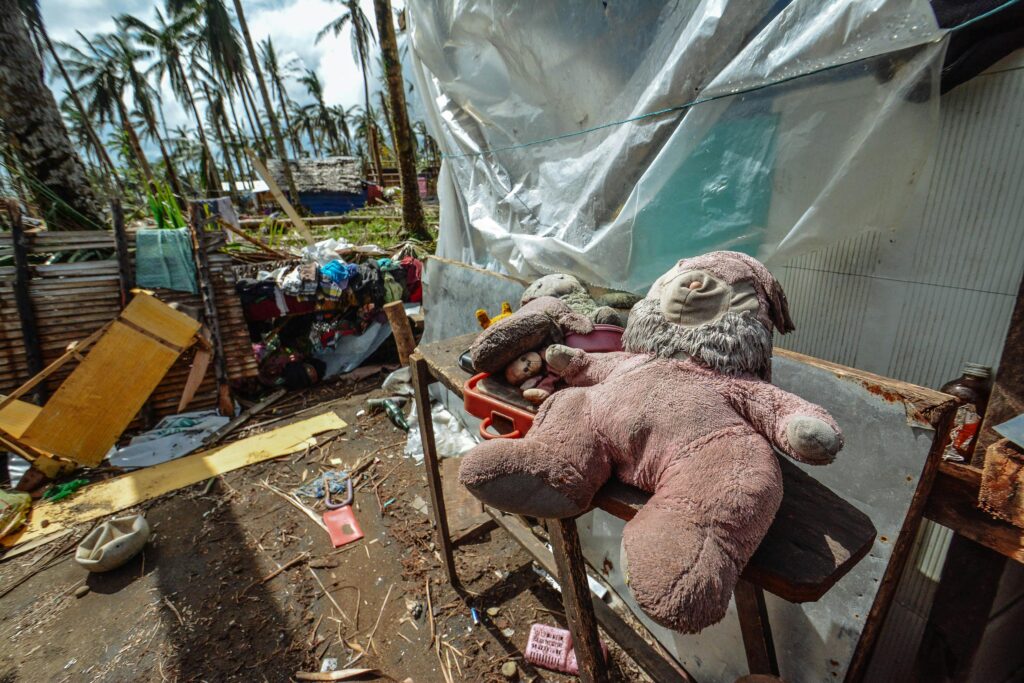
Abstract: The health impacts of extreme weather and air pollution are expected to worsen into the future. There is growing evidence that vulnerable populations, including pediatric patients with cancer, may be at increased risk. There is limited progress, however, on translating these growing risks into clinical prevention strategies. We describe the utilization of a simple risk communication framework and list resources to help pediatric oncology providers engage in discussion of extreme weather and air pollution with patients to reduce their risk.
View the full article here.
Investigating the causes of childhood acute lymphoblastic leukemia through mutational epidemiology
Adam J. de Smith, Naying Zhou, Yunqi Li, Tanxin Liu, Nathan Patrus, Joseph L. Wiemels
View Abstract
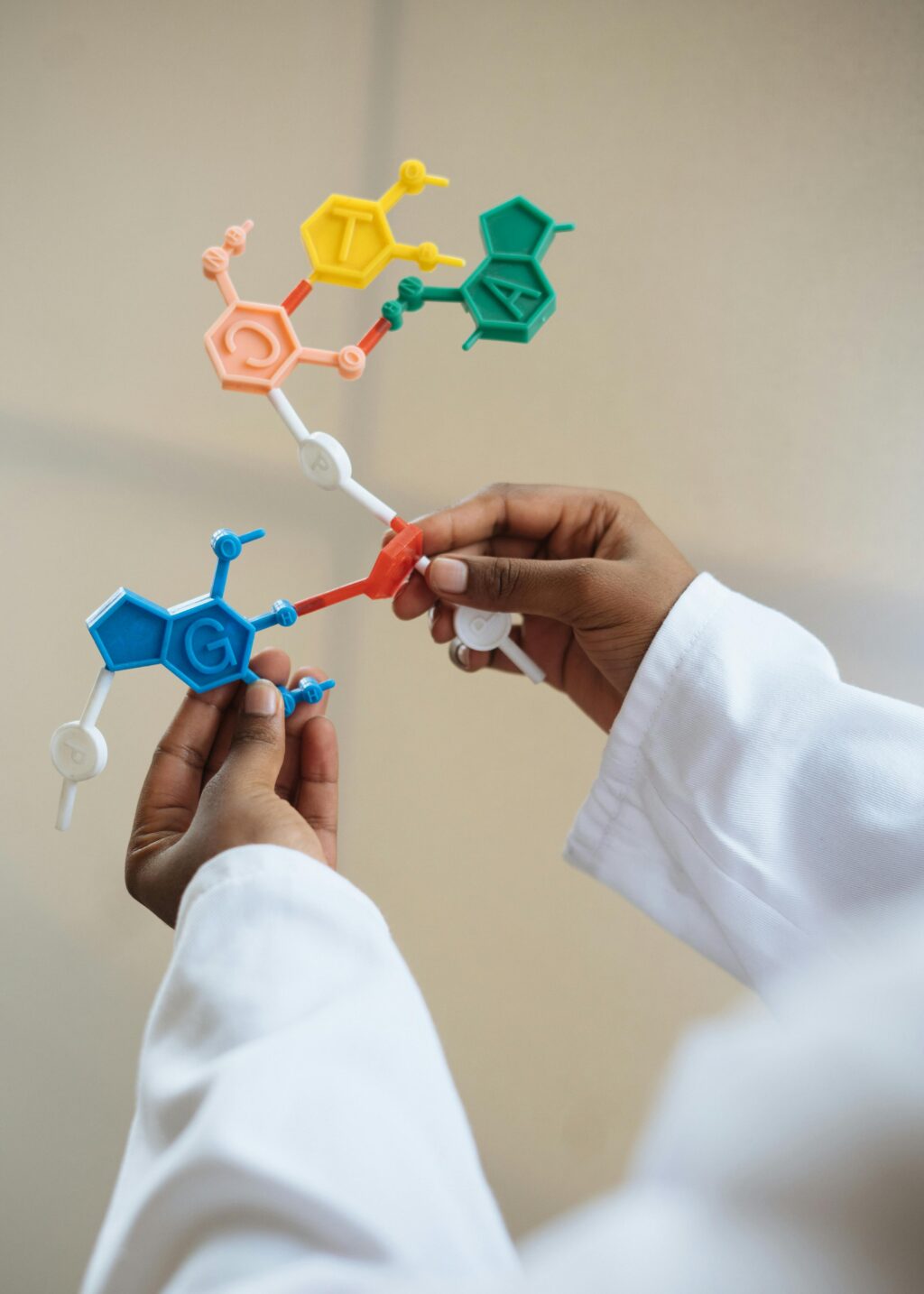
Abstract: Acute lymphoblastic leukemia (ALL) is the most common cancer in children, and prevention of this disease would significantly reduce childhood mortality and morbidity. While the role of germline genetic variation in the etiology of ALL is well established, the contribution of modifiable risk factors is less well known. Epidemiologic studies have identified several environmental and infectious or immune-related factors associated with childhood ALL, although studies often relied on questionnaire data, which can be prone to recall bias, and/or provided limited information on the potential leukemogenic role of these exogenous exposures. Environmental exposures that have carcinogenic properties (e.g., tobacco smoke, ultraviolet radiation) can leave behind molecular footprints in tumor samples that have specific patterns of mutations, and these mutational signatures can be leveraged to study cancer etiology. Mutational epidemiology has thus emerged as a novel approach to investigate the potential carcinogenic role of exogenous exposures in cancer development, by leveraging the availability of sequencing data in large numbers of patients and combining epidemiological methods with analysis of mutational signatures, which may reveal a personalized history of causative exposures. Such studies have already yielded discoveries in adult solid tumors, identifying novel risk factors and providing insights into environmental factors that may underlie global variation in cancer incidence. However, this approach has yet to be applied to childhood cancer epidemiology. Sequencing studies of childhood ALL have revealed specific patterns of somatic alterations, including mutational signatures related to APOBEC enzymes, reactive oxygen species, and ultraviolet radiation, as well as deletions mediated by illegitimate V(D)J recombination. In this review, we discuss current knowledge on the modifiable and non-modifiable risk factors for childhood ALL, the patterns of somatic genomic alterations that have been identified in ALL patient samples, and how mutational epidemiology could help to pinpoint the leukemogenic role of environmental exposures which will be critical for future prevention strategies.
View the full article here.
Impact of infection and microbial exposures on pediatric cancer
Kensie Soule BS, Nina Nelson BS, Joseph Wiemels PhD, Rachel Gallant MD MS
View Abstract
Abstract: The etiology of pediatric cancer is likely multifactorial including a combination of genetic alterations and environmental exposures. Infection and antigenic exposures have been identified as contributors to the development of pediatric cancers particularly acute lymphoblastic leukemia (ALL), the most common pediatric malignancy. Viral infections such as Epstein-Barr virus (EBV) and human papilloma virus (HPV) have a well-established association with Hodgkin lymphoma (EBV), Burkitt lymphoma (EBV), and head and neck cancers (HPV). More recent evidence suggests CMV is associated with glioblastoma multiforme and ALL. The incidence of pediatric cancer is much lower than the incidence of these viral infections, indicating that there are likely other factors at play. Aside from these specific viral infections, antigenic exposures in general have been associated with pediatric cancers as well. Early life antigenic exposures are known to impact the gut microbiome which is a crucial component to developing a competent immune system. Higher microbial exposure in early life, such as vaginal delivery (versus cesarean delivery), daycare attendance, and breastfeeding have been associated with lower incidence of pediatric ALL, and this effect is hypothesized to be mediated by the gut microbiome. In this review, we highlight the association between infection, antigenic exposures, and pediatric cancer and potential underlying mechanisms that facilitate this association.
View the full article here.

The relationship of dietary folate, folic acid, and childhood cancer
Yijin Xiang, Joseph L. Wiemels, Eric M. Nickels
View Abstract
Abstract: Folate (vitamin B9) is an essential micronutrient and plays a critical role in one-carbon metabolism, DNA synthesis, and epigenetic regulation, particularly during early embryonic development. While the preventive role of maternal periconceptional folate intake against neural tube defects as well as other birth defects is well established, growing evidence suggests that folate status may also influence childhood cancer risk. In this review, we examine the biological mechanisms linking folate to childhood cancer, with a focus on acute lymphoblastic leukemia (ALL). We synthesize findings from population-wide natural experiments, observational studies, and meta-analyses, with particular attention to timing, dosage, and source of folate intake. Meta-analyses consistently report protective associations between maternal folic acid supplementation and childhood ALL, while evidence for natural dietary folate is more limited and less consistent. Genetic variants in folate metabolism pathways, particularly in the MTHFR gene, may modify these associations, and gene–environment interactions are increasingly recognized as important. Maternal folate status during the periconceptional period has also been linked to changes in offspring DNA methylation and potentially to long-term health outcomes, including at specific epigenetic loci such as IGF2 and ZFP57, as well as across the epigenome. The overall evidence supports the continued promotion of adequate maternal folate intake. Future research should prioritize causal inference methods, epigenome-wide analyses, and greater inclusion of underrepresented populations to clarify the role of folate in childhood cancer etiology.
View the full article here.

Integrating environmental risk factors into pediatric cancer care: Laying the groundwork for improved outcomes and primary prevention
Nicole M. Wood, Omar Shakeel, Juan A. Ortega-Garcia, Mark D. Miller
View Abstract
Abstract: Childhood cancer incidence has steadily risen both in the United States and worldwide, yet its environmental contributors remain underrecognized in clinical care. Children and cancer survivors are particularly susceptible to environmental exposures due to their unique physiology and the long-term health vulnerabilities that follow cancer treatment. Although exposures to substances such as pesticides, air pollution, and household chemicals are linked to increased cancer risk, limited clinical frameworks and clinician training leave oncologists underprepared to address growing environmental health concerns from families.
A holistic pediatric oncology environmental health program in Murcia, Spain offers a scalable vision for embedding the environment into longitudinal cancer care. In the United States, survey data from two large academic pediatric cancer centers revealed strong clinician interest in addressing environmental health in pediatric oncology, leading to the development of a consultative model. Workshops and a standardized environmental health history tool, adapted for clinical use and integration into the medical record, have laid the groundwork for implementation of an environmental consult service across 3 care settings: cancer predisposition clinics, survivorship programs, and as requested. These efforts aim to reduce family anxiety, offer actionable risk-reduction strategies, and empower primary teams with the knowledge to engage in meaningful conversations.
The patient-centered tools, interdisciplinary training, and structured integration into clinical workflows are designed to strengthen environmental health knowledge and practice of pediatric oncologists in the United States.
View the full article here.

A systematic review of residential proximity to upstream oil and gas development and childhood, adolescent and young adult cancer risk
Eric C. Stewart, Nicholaus P. Johnson, Cassandra J. Clark, Catherine Metayer, Nicole C. Deziel
View Abstract
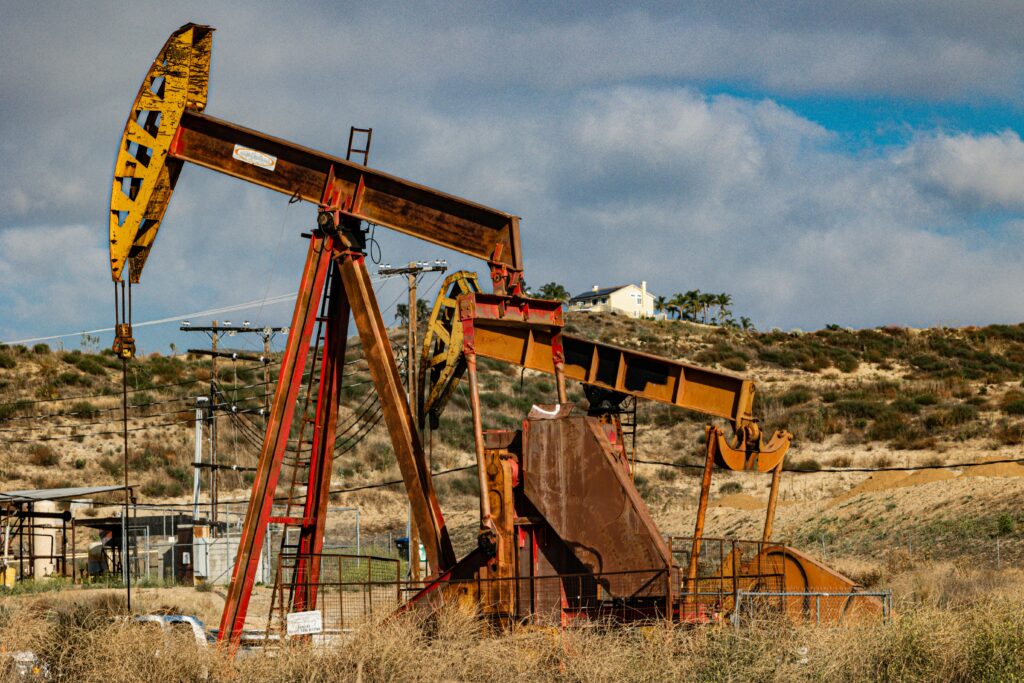
Abstract: Upstream oil and gas development (OGD) can release carcinogenic and radioactive agents into air and water. This review summarizes evidence on the relationship between residential proximity to upstream OGD and cancer risk among children, adolescents, and young adults (CAYA).
View the full article here.
About the Childhood Cancer & the Environment Program
The Childhood Cancer & the Environment Program (CCEP) is a national program of the PEHSU Network to educate pediatric health care providers, parents, and caregivers about environmental influences on childhood cancers, such as leukemia. The program also educates clinicians and families on practical ways to both prevent childhood cancer as well as to improve treatment outcomes and survivorship.
Editorial Review by the PEHSU National Program Office and the Childhood Cancer & the Environment Program