
“Why did this happen?”
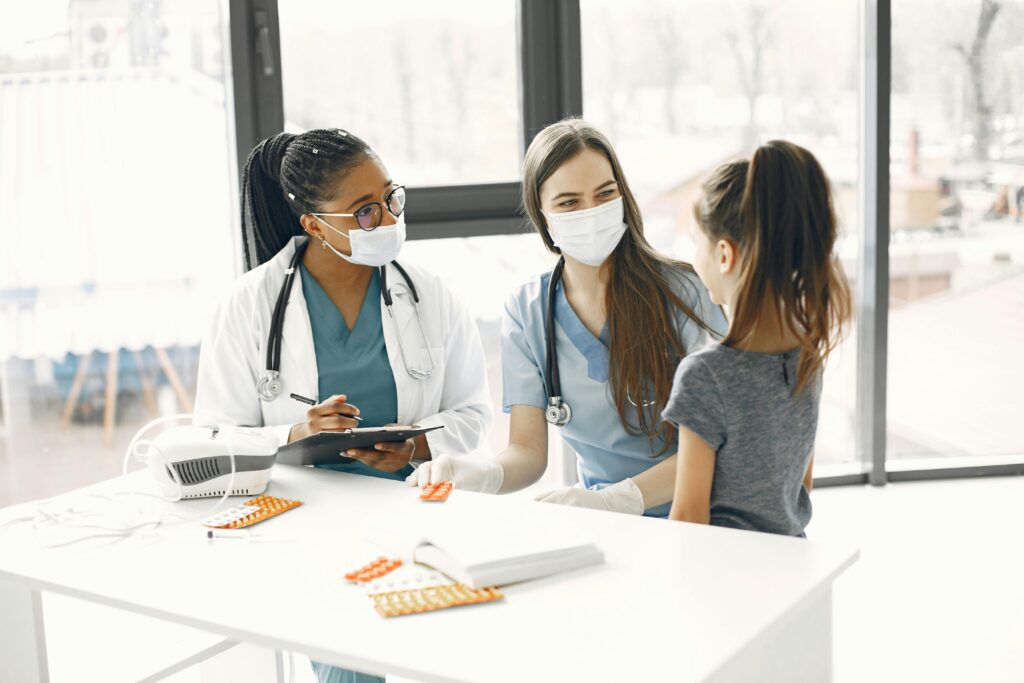
For many families facing a childhood cancer diagnosis, this question echoes in their minds relentlessly. It is underscored with grief, confusion, and potential regret. Could they have prevented or mitigated the onset of the cancer? What caused this tragedy? Understandably, they reach out to their oncologist for answers.
For Dr. Omar Shakeel, this question became the compass guiding his career into the field of childhood cancer prevention and survivorship.
Dr. Shakeel is an Assistant Professor of Pediatrics in the Division of Hematology-Oncology at Baylor College of Medicine and a pediatric oncologist at Texas Children’s Hospital. He also leads the Long-Term Survivor Clinic, which focuses on education and lifestyle guidance for survivors and their families on how they can remain healthy following their cancer treatment.
From Clinical Curiosity to Environmental Prevention
“From very early on, I noticed that families didn’t just want to know about treatment, they wanted to understand why their child got cancer and what could be done to prevent it.”
Dr. Shakeel began his fellowship training in 2017, which saw him become well versed in pediatric oncology. During his training, he began to look at the existing research on environmental toxicants and cancer incidence and outcomes. He examined how exposures – from medical radiation to household chemicals – might influence pediatric cancer development and long-term outcomes. This introduced him to a community of oncologists and researchers investigating the impacts environmental exposures – a community of which he is now very much at the heart of.
“From very early on, I noticed that families didn’t just want to know about treatment, they wanted to understand why their child got cancer and what could be done to prevent it.”
-Dr. Omar Shakeel
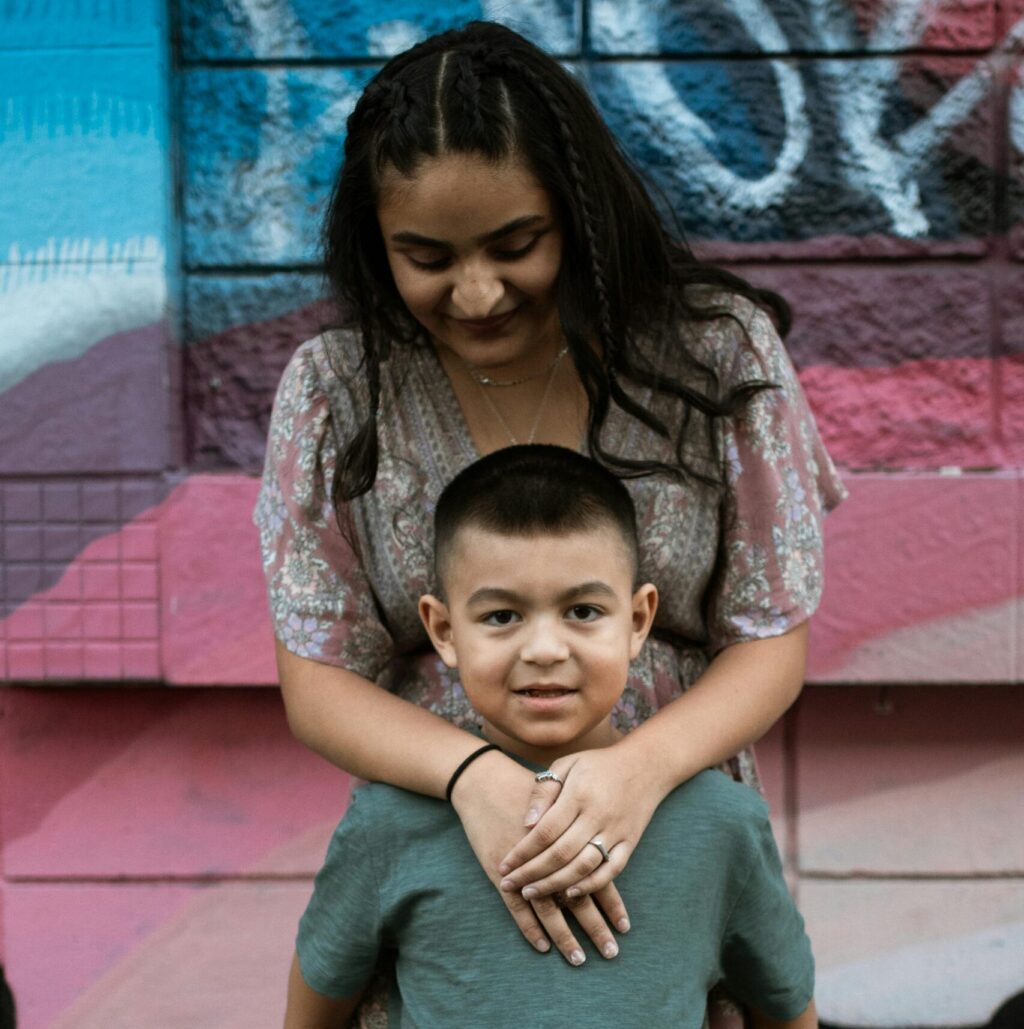
The rising rates of childhood cancer are concerning and remain unexplained. Since 1975, childhood cancer rates have increased even though survival rates continue to improve. This can’t be explained by genetics alone – it must have some relationship to our environment. There is now growing evidence that several environmental hazards are associated with childhood cancer risks and negative health consequences for childhood cancer survivor
Bringing Environment Into the Clinic
Now, Dr. Shakeel is part of an international movement to put environmental health at the heart of cancer care and prevention.
He is a program partner with the Childhood Cancer & the Environment Program (CCEP); a national initiative of the Pediatric Environmental Health Specialty Units (PEHSU) network aimed at educating clinicians, families, and caregivers about how the environment can influence childhood cancer risk, treatment outcomes, and survivorship.
Dr. Shakeel also regularly helps lead workshops, trainings, and symposiums where pediatric oncology teams learn practical tools to address environmental exposures like air pollution, pesticides, tobacco smoke, and household chemicals. Many pediatric cancer providers receive questions from families about environmental risks, yet few feel comfortable responding. Analysis from the PEHSU network shows that while 80% of oncology team members get these questions, only about 25% feel confident addressing them.
Dr. Shakeel sees this as both a challenge and an opportunity.
“Our job isn’t just to treat; it’s to equip families with information that helps them protect their children’s future,” he says. Facilitating these workshop sessions allow clinicians to feel confident discussing these issues with families and providing preventative strategies.
“Our job isn’t just to treat; it’s to equip families with information that helps them protect their children’s future.”
-Dr. Omar Shakeel
Survivorship: Beyond the Hospital Walls
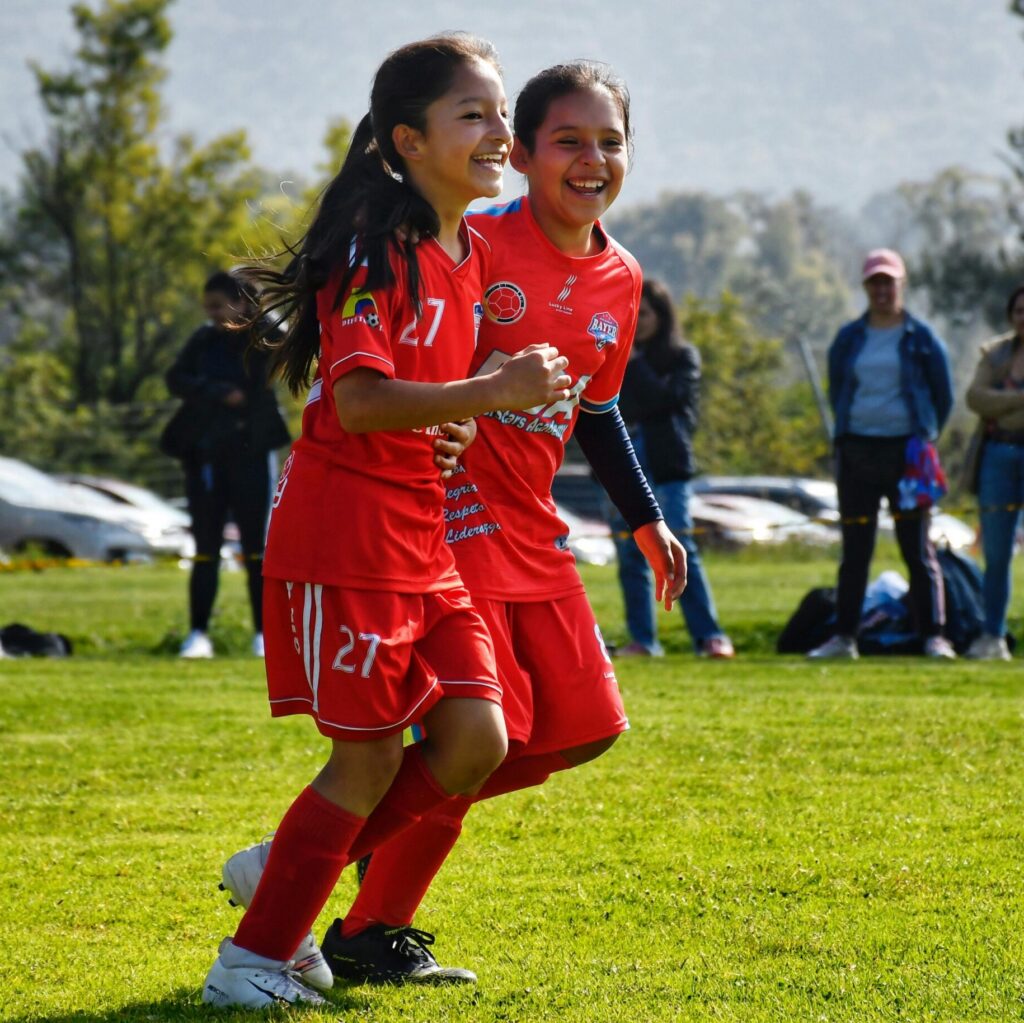
Dr. Shakeel is especially passionate about survivorship, an area of childhood cancer which is often overlooked. He plays a key role in helping children who have beaten cancer live healthy, vibrant lives.
Childhood cancer survivors face higher risks of respiratory, cardiovascular, and secondary cancers, risks that can be worsened by environmental exposures. They are even more vulnerable to environmental harm, so preventative and protective action is absolutely key for their long term health.
“It’s not enough to cure the cancer,” he says. “We need to help survivors thrive in the world they live in by living full, healthy lives.” While it is true that we need to create safer environments overall through policy and statewide measures, there are also individual level actions that families can take to reduce their risk and protect their loved ones.
These include:

- Minimizing exposure to harmful pollutants like wildfire smoke, tobacco smoke, air pollution from industrial or traffic sources.
- Reducing the use of household chemical and pesticides by choosing fragrance-free, non-toxic, and natural personal care and cleaning products.
- Wearing sunscreen regularly to protect from harmful UV exposure.
- Supporting overall health through a healthy, whole-food-balanced diet.
To support this, Dr. Shakeel and his colleagues have also proposed creating the first Pediatric Cancer Environmental Referral Service in the U.S., which is a consultative service that helps clinicians and families navigate environmental health concerns and provide counseling on protective measures throughout the care journey. This is vital in ensuring that families are not only equipped with knowledge, but also practical skills.
There are challenges to his work; funding can be scarce, and misinformation circulating in the media can be extremely detrimental. Nevertheless, Dr. Shakeel continues to relentlessly advocate for truth, transparency and optimal care for his patients and for the wider global community.
A Personal Priority
Dr. Shakeel grew up in a community that was more affected by environmental risk, which motivates his work to push for healthy environments for all. And as a parent himself, raising a young daughter, he understands the necessity of having a strong accessible knowledge base of preventative and protective health behaviors to help guard the well-being of future generations of children.
“Every family wants to know how to protect their child,” he says. “When you can give them evidence-based guidance on how to reduce risks and support long-term health, that’s prevention in its most meaningful form.”
“Every family wants to know how to protect their child,” he says. “When you can give them evidence-based guidance on how to reduce risks and support long-term health, that’s prevention in its most meaningful form.”
-Dr. Omar Shakeel
Thank you, Dr. Shakeel, for the phenomenal work you do!
Author: Rebecca Barry, Children’s Environmental Health Network
About Omar Shakeel, MD
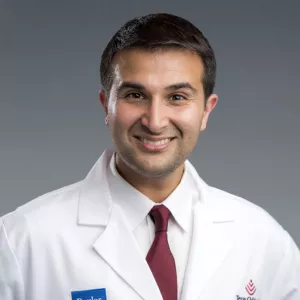
Dr. Omar Shakeel is an Assistant Professor in the Department of Pediatrics, Division of Hematology-Oncology at Baylor College of Medicine and provide clinical care at Texas Children’s Hospital. During his fellowship, he was frequently asked by families what triggered cancer to develop in their child. As a result, he became interested in environmental exposures on the development of pediatric cancers. Notably, the incidence of pediatric cancers has steadily increased since 1975, which could suggest that other exogenous factors are accounting for an increasing proportion of cases. He wrote a summary manuscript describing the current knowledge on environmental toxicants and risk of pediatric cancers. He also evaluated the association between parental medical radiation exposure and risk of sporadic retinoblastoma in their offspring. Currently, he is the lead physician in the Long-Term Survivor clinic. In collaboration with the Pediatric Environmental Health Specialty Unit (PEHSU) Network, he recently proposed the creation of the first U.S. Pediatric Cancer Environmental Referral Service (PCERS) to assist providers and nurses in addressing questions and concerns from patients and families about environmental risk factors for cancer and provide counseling on protective measures.
Content Reviewed by the PEHSU National Program Office and the Childhood Cancer & the Environment Program