
November 7, 2025 — Oakland, Calif: Last month, the Childhood Cancer & Environment Program kicked off our webinar series with Nicole C. Deziel, PhD, MHS, Associate Professor at the Yale School of Public Health and Co-Director of the Yale Center for Perinatal, Pediatric and Environmental Epidemiology. Dr. Deziel explored the rising rates of pediatric cancer in relation to oil and gas developments in the United States.
Pediatric cancer increased 45% between 1975 and 2018* making it is imperative to support further research in this area and actionable and effective interventions.
*Shakeel O, Lupo PJ, Strong S, Arora M, Scheurer ME. A brief review of the current knowledge on environmental toxicants and risk of pediatric cancers. Pediatr Hematol Oncol. 2022 Apr;39(3):193-202. doi: 10.1080/08880018.2021.1979147. Epub 2021 Oct 19. PMID: 34665984. https://pubmed.ncbi.nlm.nih.gov/34665984/
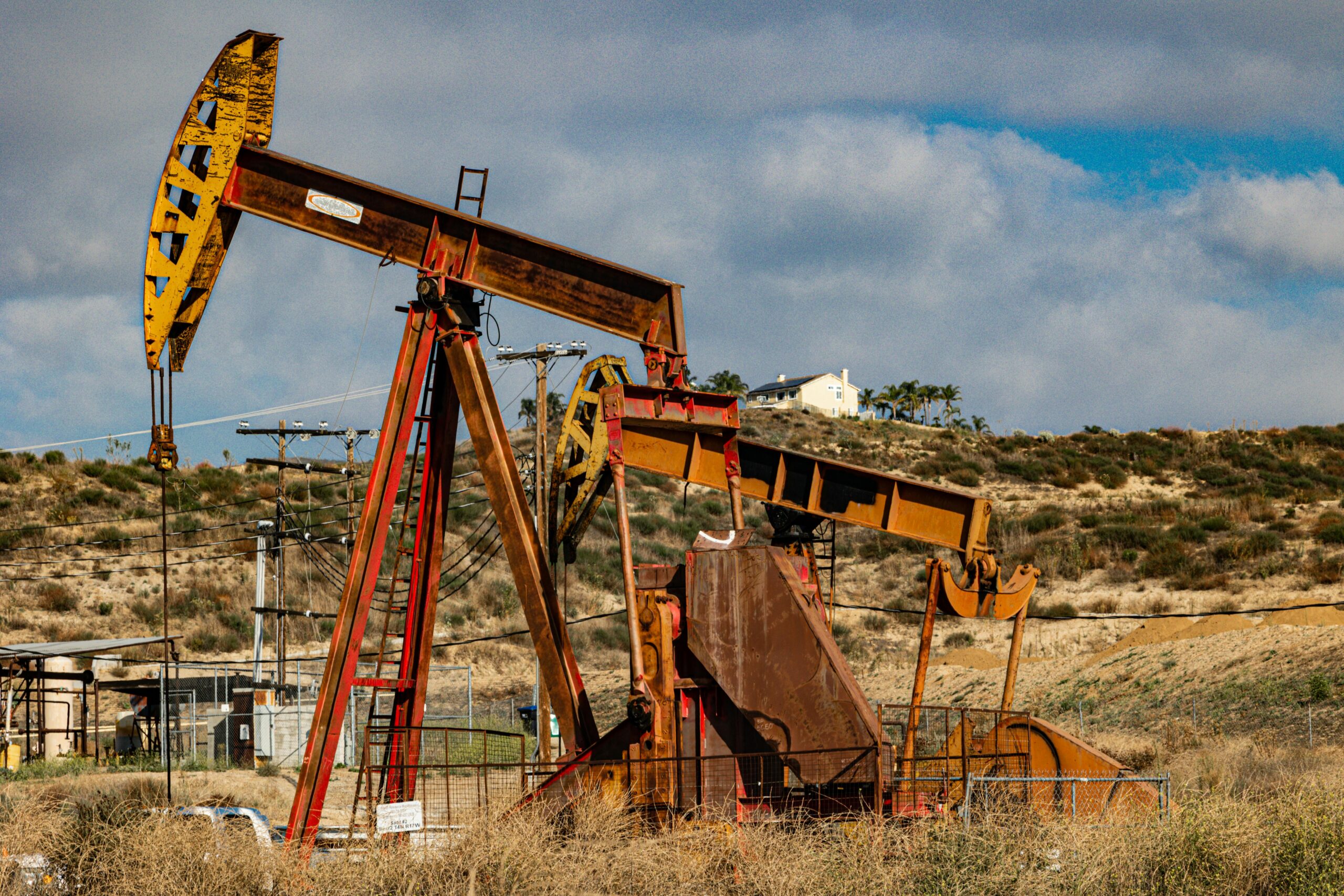
Dr. Deziel’s presentation reviewed the latest epidemiologic evidence, on the health effects of Unconventional Oil and Gas wells (UOG). Approximately 17.6 million people in the U.S. live less than 1 mile from an active oil and gas well a distance associated with increased cancer risk in some studies.* These wells, and the supporting trucks and infrastructure, can release carcinogenic and radioactive agents such as benzene, 1,3-butadiene, radon, diesel exhaust, arsenic into the air and water. Dr. Deziel’s research includes findings from individual studies, such as the presence of Volatile Organic Compounds (VOCs) in some local water sources in Ohio, Pennsylvania and West Virginia. She discussed the evolution of exposure assessment approaches, from early proximity-based metrics to more specific models. Additionally, she described techniques of monitoring data, highlighting how new advances improve our understanding of exposure pathways and children’s health risks.
*Deziel NC, McKenzie LM, Casey JA, McKone TE, Johnston JE, Gonzalez DJX, Shonkoff SBC, Morello-Frosch R. Applying the Hierarchy of Controls to Oil and Gas Development. Environ Res Lett. 2022 Jul;17(7):071003. doi: 10.1088/1748-9326/ac7967. Epub 2022 Jul 6. PMID: 35910067; PMCID: PMC9328576. https://pmc.ncbi.nlm.nih.gov/articles/PMC9328576/
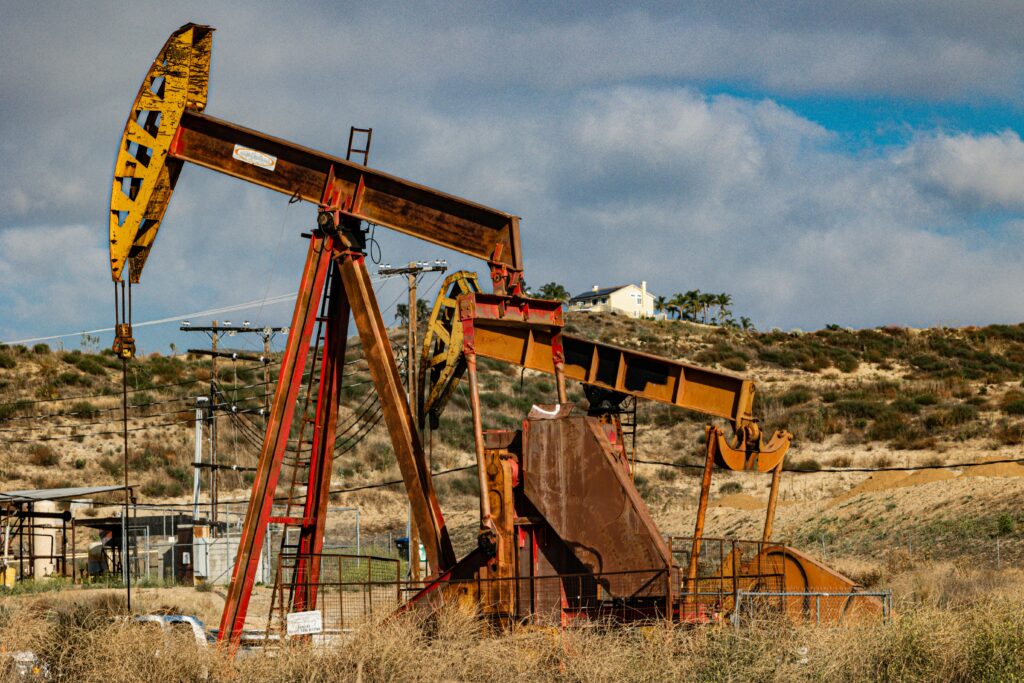
Approximately 17.6 million people in the U.S. live less than 1 mile from an active oil and gas well.*
Finally, Dr. Deziel provided an overview of her new systematic review*, part of a soon to be released special edition of Current Problems in Pediatric and Adolescent Healthcare focused on childhood cancer and the environment and guest edited by the CCEP lead Mark Miller. It drove home how future research in pediatric environmental exposures and cancer risk must be a public health priority. Though the number of studies are still limited, all four U.S. based case-control studies show “significant associations between residential proximity to oil and gas development and pediatric cancers,” particularly leukemia. Dr. Deziel emphasized that “our research is part of growing evidence linking oil and gas development to childhood leukemia.” She recommended both larger study cohorts and more detailed and precise individual level measurements. Current knowledge supports improved public health protections, but greater knowledge will allow researchers to make an even bigger impact in reducing exposure and protecting children’s health.
*Stewart EC, Johnson NP, Clark CJ, Metayer C, Deziel NC. A systematic review of residential proximity to upstream oil and gas development and childhood, adolescent and young adult cancer risk. Curr Probl Pediatr Adolesc Health Care. 2025 Sep 19:101838. doi: 10.1016/j.cppeds.2025.101838. Epub ahead of print. PMID: 40975664. https://pubmed.ncbi.nlm.nih.gov/40975664/
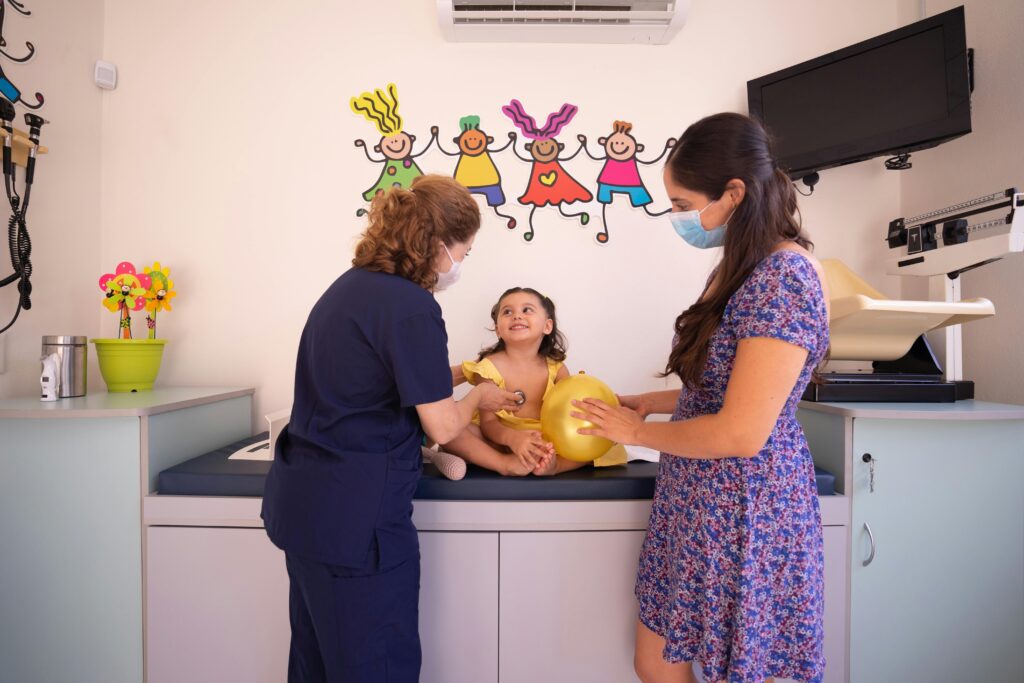
“Our research is part of growing evidence linking oil and gas development to childhood leukemia.” -Dr. Deziel
Thank you, Dr. Deziel, for an insightful presentation! The recording can be viewed below.
Register for the next webinar to learn more about Evaluating the Impacts of the Environment on Pediatric Cancer Risk and Survivorship with Michael Scheurer, PhD, MPH, FACE here.
About Dr. Nicole C. Deziel
Dr. Nicole C. Deziel is an environmental epidemiologist and Associate Professor at the Yale School of Public Health, where she also serves as Co-Director of the Yale Center for Perinatal, Pediatric and Environmental Epidemiology. With a PhD from Johns Hopkins, she studies how everyday chemical exposures – from industrial pollutants to consumer products – impact human health, particularly cancer risk and children’s health. Her work blends cutting-edge exposure science, biomonitoring, and advanced data analysis to uncover hidden environmental risks and support healthier, more equitable communities. From investigating chemicals linked to hydraulic fracturing to examining toxins in household environments, Dr. Deziel’s research helps shape science-based policies and protect vulnerable populations.
Author: Rebecca Barry, MSc, Children’s Environmental Health Network
Content Reviewed by the PEHSU National Program Office and the Childhood Cancer & the Environment Program