On January 19, 2026, D.C. water officials discovered that a portion of the Potomac Interceptor, a large, 60-year-old pipeline, near the Capital Beltway in Maryland had collapsed, spilling approximately 40 million gallons of untreated sewage a day into the Potomac River. From January 19-28, 2026, about 243 million gallons of sewage spilled into the river from the pipeline failure.
D.C. Water has reported that drinking water was not affected as the pipeline failure occurred downstream from the drinking water facility and the drinking water facility further down river was closed when the pipeline failure was discovered.
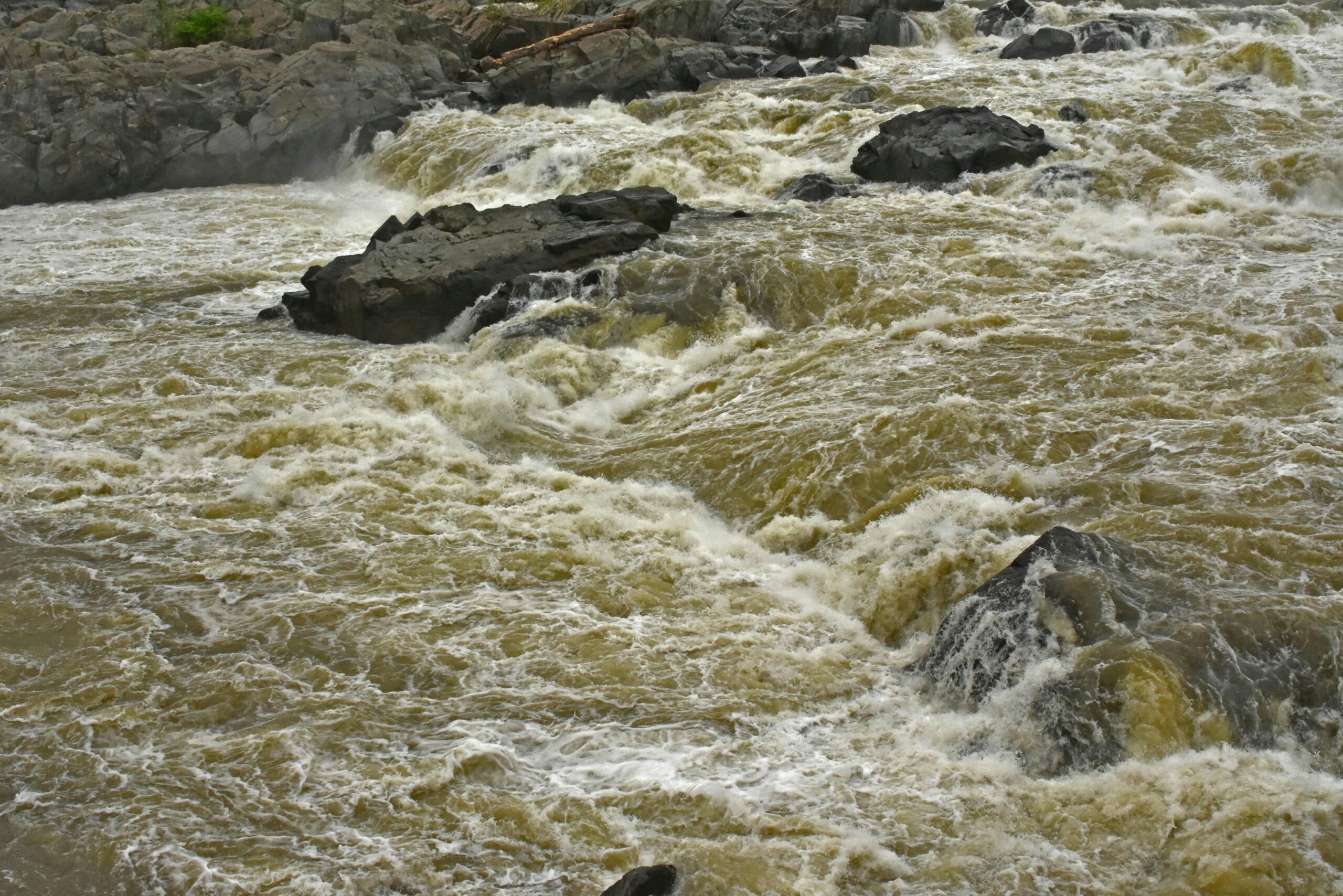
River Water in Potomac, Maryland.
The current safety recommendation is to keep children and pets away from the Potomac River area. At this time, avoid swimming, boating or fishing in the Potomac River area.
If they do go to the area, be sure to wash hands, and remove shoes and leave them outside before entering the home. Wash shoes and any soiled clothing well before wearing again. Wash pet’s paws and wash your hands well after cleaning your pet.
Water Quality & Children’s Health
Although D.C. Water has assured the public that drinking water has not been contaminated, residents may be concerned about drinking water quality. This can be especially concerning for families with children or pregnant women.
- If family members have unexplained gastrointestinal problems such as diarrhea or vomiting contact your health care provider.
- Observe open areas of the skin for infection or slowed healing and report skin issues to your health care provider.
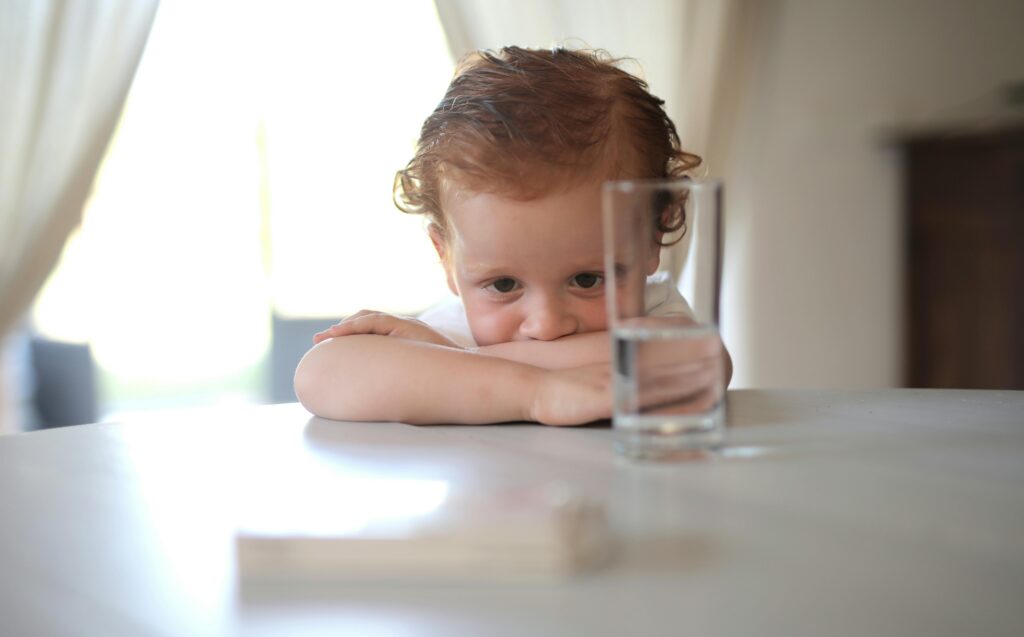
Child with water glass.
How to Check Your Local Water Quality in the D.C. Area
If you get your drinking water from the Potomac River, you can check the current condition of your local water quality:
- Washington D.C.: Drinking Water Division at 202-612-3440
- Virginia Department of Environmental Quality, Northern Regional Office: (703) 583-3800
For Additional Information please contact:
- Region 3 PEHSU: Mid-Atlantic Center for Children’s Health and the Environment:
- Phone: 833-362-2243 (toll free)
- Email: macche@villanova.edu
About Region 3 PEHSU: Mid-Atlantic Center for Children’s Health & the Environment

The Region 3 PEHSU (Mid-Atlantic Center for Children’s Health & the Environment), founded in 2000, is located in Villanova, PA at the M. Louise Fitzpatrick College of Nursing at Villanova University, and serves Delaware, Maryland, Pennsylvania, Virginia, Washington DC, and West Virginia. It is one of ten units that make up the national PEHSU network.
Content Authored by Region 3 PEHSU. View this information as a pdf here.
View more resources from PEHSU on water quality here.